Portland Home Investment: Building Equity Through Smart Property Selection
Learn how to evaluate Portland residential properties for long-term wealth building and identify neighborhoods with strong appreciation potential.

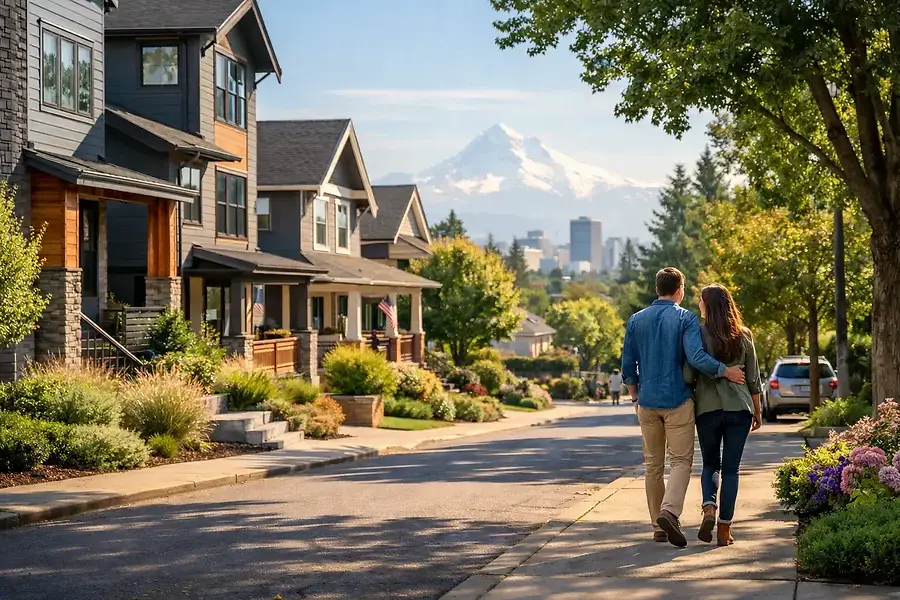
Understanding Portland's Real Estate Market Fundamentals
Portland's real estate market has established itself as one of the Pacific Northwest's most dynamic investment landscapes. The city's combination of urban amenities, strong job growth, and quality of life attracts both homebuyers and investors seeking long-term wealth accumulation. Understanding the foundational elements of this market is essential before committing capital to residential properties.
The Portland metropolitan area has experienced consistent population growth, driven by tech companies, creative industries, and a thriving startup ecosystem. This demographic expansion creates sustained demand for housing, which historically translates into property value appreciation. Unlike markets driven purely by speculation, Portland's growth is anchored in economic fundamentals that support residential real estate values.
Market Supply and Demand Dynamics
Portland's housing inventory remains relatively constrained compared to population growth, a factor that supports property values. Limited buildable land within the urban growth boundary and strict zoning regulations create natural supply constraints. When demand outpaces supply, property values tend to appreciate, benefiting long-term investors who purchase strategically.
The city's walkability standards and environmental consciousness have made it an attractive destination for millennials and young professionals. This demographic shift has revitalized neighborhoods and created pockets of strong appreciation potential. Investors who understand these demographic trends can position themselves ahead of market movements.
Key Factors That Drive Property Value Appreciation in Portland
Several interconnected factors influence property appreciation in Portland's residential market. Identifying and understanding these drivers allows investors to make informed decisions about where and when to purchase.
Neighborhood Revitalization and Infrastructure Development
Portland's commitment to public transportation, cycling infrastructure, and walkable neighborhoods creates appreciation catalysts. Properties near MAX light rail stations, streetcar lines, or planned transit improvements often experience stronger value growth. Infrastructure investments signal city commitment to neighborhood development and attract both residents and businesses.
Neighborhoods undergoing revitalization—with new restaurants, retail spaces, and cultural venues—demonstrate strong appreciation potential. Early investors in these transitional areas often capture significant gains as neighborhoods mature and stabilize.
Employment Centers and Economic Growth
Portland's diverse economy reduces dependence on any single industry. Tech companies, healthcare providers, educational institutions, and creative industries all contribute to job growth. Properties located near major employment centers or with easy commute access to job-rich areas command premium prices and appreciate more consistently.
School Quality and Family Appeal
Families prioritize excellent schools when choosing neighborhoods, making school district quality a significant value driver. Properties in areas served by highly-rated schools consistently appreciate faster than those in lower-performing districts. This factor creates predictable demand patterns that benefit investors.
Evaluating Neighborhoods for Investment Potential and Lifestyle Fit
Successful real estate investment requires balancing financial metrics with lifestyle considerations. A property that makes sense financially should also align with your long-term goals and vision.
Financial Metrics for Neighborhood Analysis
Begin your evaluation by examining recent sales data, price trends, and days-on-market statistics. Properties appreciating faster than the broader market indicate strong neighborhood fundamentals. Compare price-per-square-foot trends across neighborhoods to identify undervalued areas with appreciation potential.
Analyze rental rates and cap rates if you're considering rental income. Strong rental markets indicate neighborhood desirability and provide income stability during market fluctuations. Calculate potential cash flow and return on investment to ensure properties align with your financial objectives.
Lifestyle and Community Factors
Beyond numbers, evaluate whether neighborhoods align with your lifestyle preferences. Consider proximity to:
- Parks and outdoor recreation – Portland's extensive park system and natural areas enhance quality of life
- Dining and entertainment – Vibrant restaurant and cultural scenes attract residents and support property values
- Community character – Neighborhoods with strong identity and active communities tend to maintain value better
- Commute accessibility – Easy access to employment centers and major thoroughfares reduces commute stress
Emerging Neighborhoods Worth Considering
While established neighborhoods offer stability, emerging areas often provide better appreciation potential. Look for neighborhoods with:
- Planned infrastructure improvements or transit expansion
- New business development and commercial activity
- Improving school ratings and educational investments
- Younger demographic migration patterns
- Increasing property values relative to historical trends
These indicators suggest neighborhoods entering growth phases where early investors can capture significant appreciation.
Due Diligence Checklist
Before making an offer, conduct thorough due diligence:
- Review property inspection reports for structural issues and needed repairs
- Verify zoning regulations and future development plans
- Research property tax trends and assessment history
- Investigate neighborhood crime statistics and safety records
- Understand HOA requirements and fees if applicable
- Evaluate flood risk and environmental factors
Taking Action: Your Next Steps to Building Residential Wealth
Understanding Portland's real estate market is the first step; taking strategic action transforms knowledge into wealth. Here's how to move forward with confidence.
Develop Your Investment Strategy
Define your investment objectives clearly. Are you seeking long-term appreciation, rental income, or a combination? Determine your timeline, budget, and risk tolerance. A clear strategy guides property selection and helps you avoid emotional decisions that undermine returns.
Build Your Support Team
Successful real estate investing requires expert guidance. Assemble a team including:
- Real estate agent – Someone with deep Portland market knowledge and investment experience
- Mortgage lender – To secure favorable financing terms
- Home inspector – To identify property issues before purchase
- Tax professional – To optimize tax implications of real estate ownership
Start Your Search with Purpose
Use your neighborhood analysis to identify 3-5 target areas that align with your investment criteria and lifestyle preferences. Focus your search within these areas rather than pursuing random opportunities. This focused approach increases the likelihood of finding properties that meet your specific requirements.
Make Informed Offers
When you find a promising property, conduct thorough analysis before making an offer. Compare it to recent comparable sales, evaluate its condition relative to asking price, and assess whether it aligns with your investment thesis. Don't rush decisions; the best opportunities often come to patient, prepared investors.
Building residential wealth through Portland real estate requires patience, research, and strategic thinking. By understanding market fundamentals, identifying neighborhoods with strong appreciation potential, and conducting thorough due diligence, you position yourself to make investments that generate long-term returns. Start today by defining your investment strategy and beginning your neighborhood research. Your future self will thank you for the wealth you build through smart property selection.


