Pre-Listing Home Inspections: Discover Hidden Issues Before Buyers Do
Learn what professional inspectors find and how addressing problems early can increase your home's value and appeal to buyers.

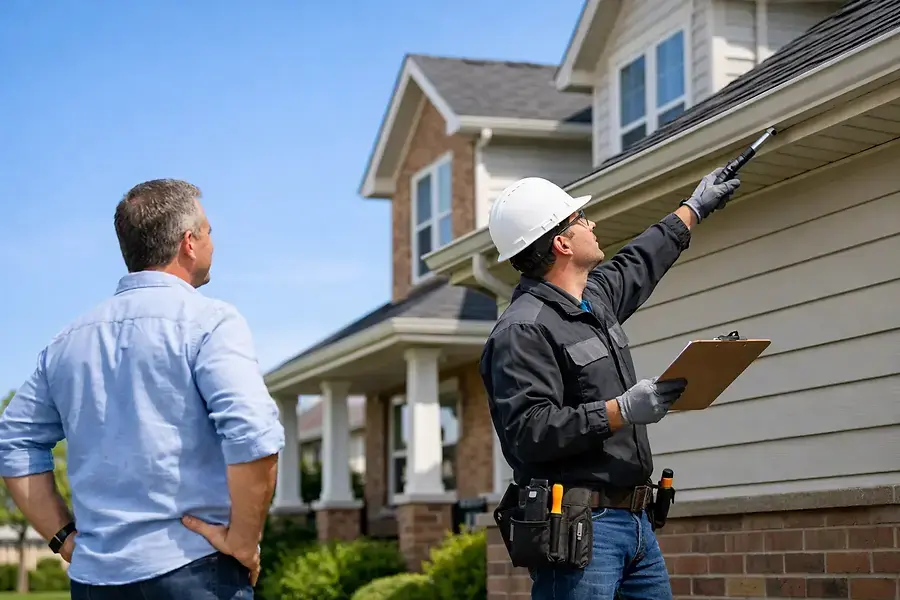
Why Smart Sellers Get Inspections First
Selling a home is one of the biggest financial decisions you'll make, and smart sellers know that getting ahead of potential problems is crucial. A pre-listing home inspection gives you a significant advantage in today's competitive real estate market. Rather than waiting for a buyer's inspector to discover issues during the negotiation phase, conducting your own inspection allows you to take control of the narrative and address concerns proactively.
When you identify problems before listing your home, you have several strategic options. You can make repairs to strengthen your position, adjust your asking price accordingly, or provide detailed documentation to buyers showing you've already investigated the property thoroughly. This transparency builds trust and confidence with potential purchasers, often resulting in faster sales and better offers.
The financial benefits are substantial. Addressing issues before listing prevents last-minute repair demands from buyers, eliminates the stress of renegotiations, and helps you avoid the common scenario where a buyer's inspector discovers something that tanks the deal entirely.
Common Issues Home Inspectors Discover and How to Fix Them
Roof and Exterior Problems
One of the most frequently flagged issues during home inspections involves the roof. Inspectors look for missing shingles, deteriorating flashing, and signs of water damage. Roof repairs can be expensive, but addressing them before listing prevents buyers from using roof condition as a negotiation tactic.
- Missing or curled shingles should be replaced promptly
- Flashing around chimneys and vents needs to be sealed properly
- Gutters should be cleaned and secured to prevent water damage
- Consider a professional roof inspection if your home is over 15 years old
HVAC System Concerns
Heating, ventilation, and air conditioning systems are critical to buyer satisfaction. Inspectors test these systems thoroughly and note any signs of age or malfunction. A well-maintained HVAC system can be a major selling point.
- Schedule professional HVAC maintenance and cleaning
- Replace air filters and ensure proper airflow
- Document all recent repairs and maintenance records
- If the system is nearing the end of its lifespan, consider replacement before listing
Plumbing and Water Issues
Water damage is a red flag that can significantly impact a home's value. Inspectors check for leaks, water stains, mold, and drainage problems. These issues require immediate attention because they can worsen quickly and become extremely costly.
- Fix any visible leaks under sinks and around toilets
- Check basement or crawl space for water intrusion or dampness
- Ensure proper grading around the foundation to direct water away
- Address any signs of mold immediately with professional remediation
Electrical System Deficiencies
Outdated or unsafe electrical systems concern both inspectors and buyers. Issues like outdated wiring, insufficient outlets, or improper grounding can be hazardous and expensive to fix.
- Have a licensed electrician inspect the entire system
- Replace outdated two-prong outlets with grounded three-prong outlets
- Ensure the electrical panel is properly labeled and functioning
- Address any flickering lights or outlets that don't work
Foundation and Structural Concerns
Foundation issues are among the most serious problems an inspector can find. Cracks, settling, or water intrusion in the foundation require professional evaluation and repair. These issues can be costly but must be addressed to maintain the home's structural integrity.
Turning Inspection Findings Into a Competitive Advantage
Strategic Repair Decisions
Not every issue discovered during a pre-listing inspection requires immediate repair. Consider the cost-benefit analysis of each finding. Major structural or safety issues should always be addressed, while minor cosmetic issues might be better left for buyers to handle according to their preferences.
Smart sellers prioritize repairs that affect safety, functionality, and curb appeal—the factors that matter most to buyers.
Documentation and Transparency
Create a comprehensive report documenting all inspections, repairs, and maintenance performed on your home. This documentation becomes a powerful marketing tool that demonstrates you've maintained the property responsibly. Buyers appreciate knowing the history of major systems and any work that's been completed.
Pricing Strategy
Armed with inspection results, you can price your home more accurately. If you've made repairs, you can justify a higher asking price. If you've chosen not to repair certain items, you can adjust your price accordingly and attract buyers willing to take on those projects. This transparency prevents surprises during buyer inspections and keeps negotiations on track.
Marketing Your Inspection Results
Use your pre-listing inspection as a marketing advantage. Highlight in your listing that you've had a professional inspection and have addressed major issues. This proactive approach differentiates your home from others on the market and appeals to serious buyers who appreciate transparency.
Maximizing Your Home's Market Potential
A pre-listing home inspection is an investment that typically pays for itself many times over. By identifying and addressing issues before listing, you position your home for maximum market appeal and value. Buyers feel more confident purchasing a home where the seller has demonstrated care and transparency.
The inspection process also gives you valuable information about your home's condition, allowing you to make informed decisions about repairs, pricing, and marketing strategy. In a competitive real estate market, this knowledge is power.
Take action today: Contact a licensed home inspector to schedule a pre-listing inspection. The small investment upfront can result in a faster sale, fewer negotiations, and a significantly better final price. Smart sellers know that discovering issues first is the key to selling smart.


