Pre-Sale Home Preparation: Proven Strategies to Attract Buyers and Increase Value
Essential improvements and staging techniques that help residential properties sell faster and command higher prices.

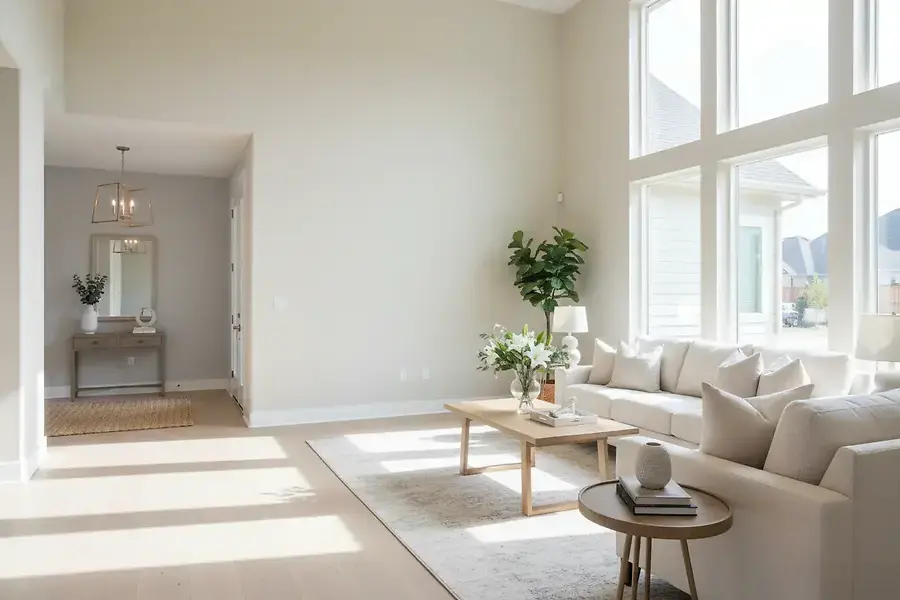
Why Home Preparation Matters Before Listing
Selling a home is one of the most significant financial decisions you'll make. The difference between a property that sits on the market for months and one that sells quickly at top dollar often comes down to preparation. When you invest time and resources into preparing your home before listing, you're not just cleaning—you're strategically positioning your property to appeal to the widest range of potential buyers.
First impressions are everything in real estate. Studies show that buyers make initial judgments about a property within the first few seconds of viewing it. A well-prepared home signals that it has been cared for, is move-in ready, and represents a sound investment. This psychological advantage can translate directly into faster sales and higher offers.
The financial impact is substantial. Homes that are properly prepared and staged typically sell 15-25% faster than unprepared properties and often command prices 5-10% higher. When you consider the costs of carrying a mortgage, property taxes, and utilities during an extended listing period, the return on investment in pre-sale preparation becomes crystal clear.
Strategic Home Improvements That Attract Serious Buyers
Curb Appeal: Your Home's First Handshake
The exterior of your home is the first thing potential buyers see. Investing in curb appeal improvements yields some of the highest returns on investment:
- Landscaping and lawn care: A well-maintained yard with fresh mulch, trimmed hedges, and healthy grass creates an immediate positive impression. Consider adding colorful plants or flowers near the entrance.
- Front door refresh: A new coat of paint, updated hardware, or a completely new door can dramatically transform your home's entrance. Choose colors that complement your home's style.
- Exterior maintenance: Power wash the driveway, clean windows, and repair any visible damage. These small touches show buyers that the home has been well-maintained.
- Lighting improvements: Install attractive outdoor lighting to highlight architectural features and improve safety perception.
Interior Updates That Matter Most
Not all interior improvements are created equal. Focus on areas that buyers notice and value most:
- Kitchen upgrades: The kitchen is often the deciding factor for buyers. Consider updating cabinet hardware, installing a new backsplash, or refreshing countertops. Even small improvements can have a major impact.
- Bathroom renovations: Updated bathrooms are highly desirable. Focus on modern fixtures, fresh tile work, and improved lighting. A clean, spa-like bathroom appeals to almost every buyer.
- Fresh paint: Neutral paint colors throughout the home create a blank canvas for buyers to envision their own style. Avoid bold or trendy colors that might not appeal to everyone.
- Flooring repairs: Address any damaged hardwood, replace worn carpet, or update tile. Flooring is one of the first things buyers notice.
- Lighting upgrades: Replace outdated fixtures with modern, bright options. Good lighting makes spaces feel larger and more inviting.
Essential Repairs and Maintenance
Before listing, address all necessary repairs. Buyers will conduct inspections, and unresolved issues can kill deals or significantly reduce offers. Prioritize:
- Roof repairs or replacement if needed
- HVAC system maintenance and repairs
- Plumbing and electrical issues
- Foundation or structural concerns
- Window and door repairs
A pre-listing inspection can help you identify issues before buyers do, giving you control over the narrative and the ability to address problems proactively.
Professional Staging and Presentation Techniques for Maximum Appeal
Decluttering and Depersonalization
One of the most important staging principles is helping buyers see themselves in your home. This means:
- Remove personal items: Family photos, personal collections, and memorabilia should be packed away. Buyers need to imagine their own lives in the space.
- Declutter ruthlessly: Remove excess furniture, books, and decorations. Empty spaces appear larger and more inviting.
- Organize storage: Open closets and cabinets to show ample storage space. Buyers want to see that there's room for their belongings.
- Clear countertops: Kitchen and bathroom counters should be nearly empty, with only a few attractive, functional items displayed.
Furniture Arrangement and Space Optimization
How you arrange furniture significantly impacts how buyers perceive space and flow:
- Define spaces: Use furniture to create distinct areas in open-concept homes. This helps buyers understand how they can use each space.
- Maximize traffic flow: Arrange furniture to create clear pathways through rooms. Buyers should be able to move easily through your home.
- Scale matters: Use appropriately-sized furniture for each room. Oversized pieces make spaces feel cramped; undersized pieces make them feel empty.
- Create focal points: Arrange furniture to highlight the best features of each room, whether that's a fireplace, window view, or architectural detail.
Sensory Appeal: Creating an Emotional Connection
Staging isn't just visual—it engages all the senses to create a welcoming atmosphere:
- Lighting: Ensure all rooms are brightly lit. Open curtains and blinds to let in natural light. Use warm-toned bulbs to create an inviting ambiance.
- Scent: Fresh-baked cookies or subtle vanilla scents can create positive associations. Avoid strong perfumes or cooking odors.
- Music: Soft background music during showings can create a pleasant atmosphere without being distracting.
- Temperature: Keep your home at a comfortable temperature. A cool home in summer or warm home in winter is more appealing.
- Cleanliness: Immaculate cleanliness is non-negotiable. Every surface should shine, from baseboards to ceiling fans.
Color and Design Strategy
Neutral doesn't mean boring. Use a cohesive color palette throughout your home with neutral base colors and tasteful accents. This creates visual flow and helps buyers imagine their own décor. Consider:
- Soft, neutral wall colors (whites, beiges, soft grays)
- Quality artwork that complements the space
- Fresh flowers or plants to add life and color
- Coordinated throw pillows and blankets
- Mirrors to reflect light and create a sense of space
Maximizing Your Home's Market Potential
Preparing your home for sale is an investment in your financial future. By focusing on strategic improvements, essential repairs, and professional staging, you create an environment where buyers can envision their dreams. The combination of a well-maintained property and thoughtful presentation significantly increases the likelihood of a faster sale at a higher price.
Remember: The goal isn't perfection—it's creating a welcoming, well-maintained space that appeals to the broadest range of buyers. When you take the time to prepare your home properly, you're not just selling a property; you're offering buyers the opportunity to start a new chapter in a home they'll love.
Start your preparation journey today, and watch as your home attracts serious buyers ready to make an offer.


