Preparing Your Home for Sale: A Complete Guide to Faster Sales
Learn the essential preparation strategies that help residential properties sell faster and attract serious buyers.

Understanding the Pre-Sale Preparation Process
Selling your home is one of the most significant financial decisions you'll make. Before listing your property on the market, proper preparation is essential to maximize your chances of a quick sale at the best possible price. The pre-sale preparation process involves assessing your home's current condition, identifying necessary improvements, and strategically presenting your property to potential buyers.
The first step is to conduct a thorough walkthrough of your entire home. Look at your property through the eyes of a potential buyer. Take note of areas that need attention, repairs, or updates. This honest assessment will help you prioritize which improvements to tackle first and which will provide the best return on investment.
Why Preparation Matters
Homes that are properly prepared typically sell faster and at higher prices than those listed without preparation. Buyers are willing to pay more for properties that are move-in ready and well-maintained. Additionally, a well-prepared home attracts serious buyers rather than those looking for fixer-uppers, which can lead to smoother transactions and fewer complications.
Key Home Improvements That Increase Market Appeal
Not all home improvements are created equal when it comes to selling. Focus on upgrades that provide the best return on investment and appeal to the broadest range of buyers.
Essential Repairs and Maintenance
Before considering cosmetic upgrades, address any structural or functional issues:
- Roof and foundation: These are critical areas that buyers inspect carefully. Any signs of damage can be a major red flag.
- HVAC systems: Ensure your heating and cooling systems are functioning properly and recently serviced.
- Plumbing and electrical: Fix any leaks, faulty wiring, or outdated systems that could concern buyers.
- Windows and doors: Replace broken glass, repair damaged frames, and ensure all locks function properly.
High-Impact Cosmetic Upgrades
After addressing necessary repairs, consider these improvements that significantly boost curb appeal and interior attractiveness:
- Fresh paint: A new coat of paint in neutral colors can transform a space and is one of the most cost-effective improvements.
- Kitchen updates: Modern appliances, updated countertops, and fresh cabinetry can dramatically increase your home's value.
- Bathroom renovations: Updated fixtures, new tile, and modern lighting make bathrooms more appealing to buyers.
- Flooring: Replace worn carpeting with hardwood or quality laminate flooring for a more polished appearance.
- Landscaping: Trim bushes, plant fresh flowers, and ensure your lawn is well-maintained for excellent curb appeal.
Smart Technology and Energy Efficiency
Modern buyers appreciate homes with updated technology and energy-efficient features. Consider installing programmable thermostats, LED lighting, and smart home security systems. These upgrades not only appeal to buyers but can also reduce utility costs, which is an attractive selling point.
Staging and Presentation Techniques for Maximum Impact
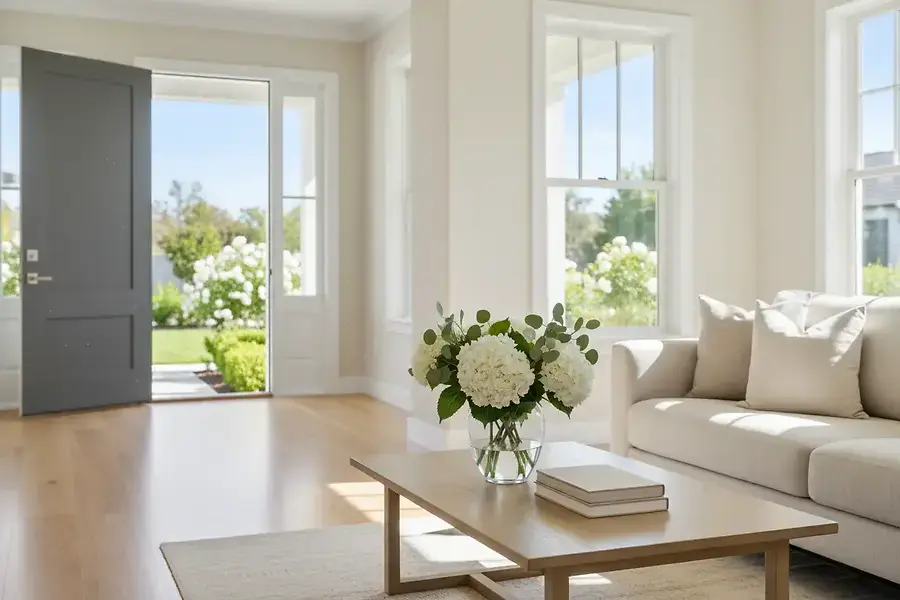
Even a beautifully renovated home won't sell quickly if it's not properly staged. Staging involves arranging and decorating your home to highlight its best features and help buyers envision themselves living there.
Decluttering and Deep Cleaning
The first step in staging is removing clutter. Less is more when it comes to selling your home. Remove personal items, excess furniture, and anything that doesn't serve a purpose. A deep clean is equally important—buyers notice dust, stains, and dirt, which can create negative impressions.
Furniture Arrangement and Neutral Décor
Arrange furniture to create open, flowing spaces that feel larger and more inviting. Use neutral colors for walls, furniture, and accessories to appeal to a wider audience. Avoid bold colors or overly personal décor that might distract buyers from the home's features.
Lighting and Ambiance
Proper lighting can make a tremendous difference in how your home feels. Open all curtains and blinds to let in natural light. Add warm lighting in living areas and ensure all light fixtures are clean and functioning. Consider adding fresh flowers or subtle scents to create a welcoming atmosphere.
Highlighting Key Features
Draw attention to your home's best features. If you have hardwood floors, ensure they're polished and visible. If there's a fireplace, stage it as a focal point. Use strategic furniture placement and décor to emphasize architectural details, views, or other unique selling points.
"A well-staged home can sell 30% faster and for a higher price than an unstaged property. The investment in staging typically pays for itself many times over."
Final Steps Before Listing Your Property
Once your home is improved and staged, there are several final preparations to complete before officially listing.
Professional Photography and Virtual Tours
Most buyers begin their search online, so professional photography is crucial. Hire a photographer experienced in real estate to capture your home in the best light. Consider offering a virtual tour or 3D walkthrough to attract more serious inquiries.
Home Inspection and Disclosure Documents
Get a professional home inspection before listing. This allows you to address any issues proactively and provides transparency to buyers. Prepare all necessary disclosure documents and gather records of recent repairs, upgrades, and maintenance.
Pricing Strategy
Work with a real estate agent to determine the optimal listing price. Research comparable homes in your area and consider current market conditions. Pricing too high can deter buyers, while pricing too low leaves money on the table.
Marketing and Open Houses
Develop a comprehensive marketing strategy that includes online listings, social media promotion, and open houses. Ensure your property is listed on all major real estate platforms and consider targeted advertising to reach potential buyers in your area.
Final Walkthrough
Before the listing goes live, do a final walkthrough. Check that everything is clean, repairs are complete, and the home shows well. Make any last-minute adjustments to staging or décor to ensure maximum appeal.
Preparing your home for sale requires time, effort, and strategic planning, but the investment pays dividends. By following these comprehensive steps—from essential repairs to professional staging—you'll position your property to sell faster and attract serious buyers ready to make an offer. Remember, first impressions matter, and a well-prepared home makes all the difference in today's competitive real estate market.


