Preparing Your Home for Sale: A Complete Seller's Guide to Success
Learn the essential steps that help homes sell faster and attract serious buyers.

Introduction: Why Home Preparation Matters Before Listing
Selling your home is one of the most significant financial decisions you'll make. The difference between a home that sits on the market for months and one that sells quickly often comes down to preparation. A well-prepared home not only attracts more serious buyers but can also command a higher selling price. Before you list your property, investing time and resources into strategic improvements and staging can dramatically impact your success.
The real estate market is competitive, and first impressions matter tremendously. Buyers often make decisions within the first few minutes of viewing a property, both online and in person. By taking the time to prepare your home properly, you're setting yourself up for a smoother, faster, and more profitable sale.
Curb Appeal and Exterior Improvements: Creating Lasting First Impressions
The Power of First Impressions
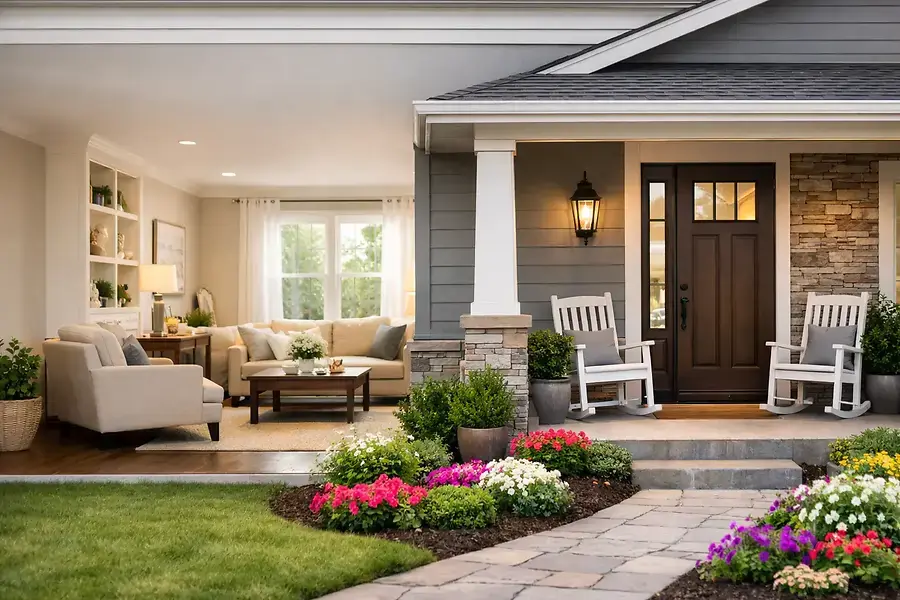
Your home's exterior is the first thing potential buyers see. Curb appeal can make or break a sale before buyers even step inside. A well-maintained exterior signals that the entire property has been cared for, while a neglected appearance raises red flags about potential hidden issues.
Essential Exterior Improvements
- Landscaping and Lawn Care: Trim overgrown bushes, mow the lawn regularly, and add fresh mulch to garden beds. Consider planting colorful flowers near the entrance to create visual interest.
- Front Door and Entryway: Paint or refinish your front door in an inviting color. Replace hardware, add a new welcome mat, and ensure the porch is clean and well-lit.
- Roof and Gutters: Clean gutters and downspouts thoroughly. If your roof shows signs of wear, consider repairs or replacement before listing.
- Exterior Paint and Siding: Fresh paint on trim and siding can dramatically improve appearance. Stick to neutral colors that appeal to a broad range of buyers.
- Driveway and Walkways: Repair cracks, power wash surfaces, and ensure pathways are clear and safe. A clean driveway makes a significant visual impact.
- Lighting: Install outdoor lighting fixtures that highlight architectural features and improve safety and visibility at night.
Budget-Friendly Curb Appeal Tips
You don't need to spend a fortune to improve curb appeal. Simple actions like pressure washing, weeding, and decluttering can yield impressive results. Focus on maintenance and cleanliness first, then invest in improvements that offer the best return on investment.
Interior Staging and Strategic Updates: Maximizing Buyer Appeal
The Art of Home Staging
Interior staging is about presenting your home in its best light while allowing buyers to envision themselves living there. Effective staging removes personal clutter and highlights your home's best features. This doesn't necessarily mean expensive renovations—it's about strategic presentation.
Key Staging Strategies
- Declutter and Depersonalize: Remove personal photos, excessive decorations, and unnecessary items. Buyers need to imagine their own lives in the space.
- Deep Clean Everything: A spotless home is non-negotiable. Clean windows, baseboards, carpets, and appliances. Don't overlook details like light fixtures and ceiling fans.
- Neutral Color Palette: Paint walls in neutral tones if they're currently bold or dark. Neutral colors appeal to more buyers and make spaces feel larger.
- Furniture Arrangement: Arrange furniture to maximize space and create natural traffic flow. Remove oversized pieces that make rooms feel cramped.
- Lighting Enhancement: Ensure all rooms are well-lit. Replace dim bulbs, open curtains to let in natural light, and add lamps to darker corners.
- Kitchen and Bathroom Focus: These rooms significantly influence buying decisions. Update hardware, ensure everything is spotlessly clean, and consider minor upgrades like new faucets or cabinet hardware.
Strategic Updates Worth the Investment
While major renovations may not be necessary, certain updates offer excellent returns:
Kitchen and bathroom updates, fresh paint, new flooring, and updated lighting fixtures are among the highest ROI improvements for home sellers.
Focus on repairs and updates that address obvious issues. Leaky faucets, broken fixtures, and damaged flooring should be fixed before showing. These problems raise concerns about overall maintenance and can significantly reduce offers.
Creating Emotional Connections
The goal of staging is to help buyers emotionally connect with your home. Set the table for dinner, add fresh flowers, bake cookies before showings, and ensure the home smells fresh and inviting. These small touches create memorable experiences that influence purchasing decisions.
Pricing, Marketing, and Timeline Strategy for Optimal Results
Pricing Your Home Competitively
Proper pricing is crucial for a successful sale. Overpricing your home can result in it sitting on the market, while underpricing leaves money on the table. Work with a real estate agent to conduct a comparative market analysis (CMA) that evaluates similar homes in your area that have recently sold.
Consider your home's condition, location, age, and current market conditions. Be realistic about your home's value and willing to adjust if it's not attracting offers within the first few weeks.
Effective Marketing Strategies
- Professional Photography: High-quality photos are essential for online listings. Invest in professional photography and consider virtual tours or video walkthroughs.
- Compelling Descriptions: Write detailed, engaging descriptions that highlight your home's best features and benefits.
- Multiple Listing Services: Ensure your home is listed on all major real estate platforms and websites.
- Open Houses and Showings: Schedule regular open houses and make your home available for showings. Flexibility increases exposure.
- Social Media Promotion: Leverage social media to reach potential buyers and share your listing with broader audiences.
Timeline Considerations
The timing of your sale can impact results. Spring and early summer typically see higher buyer activity, but every market is different. Work with your real estate agent to determine the optimal listing time based on your local market conditions and personal circumstances.
Plan your preparation timeline accordingly. If you're listing during peak season, begin preparations several weeks in advance. If you're selling during slower periods, you may have more flexibility but should still prioritize preparation to stand out among fewer listings.
Conclusion: Taking Action for Success
Preparing your home for sale requires planning, effort, and strategic thinking. By focusing on curb appeal, interior staging, competitive pricing, and effective marketing, you're positioning yourself for success. Remember that every dollar and hour invested in preparation can result in faster sales and higher offers.
Start with a thorough assessment of your home, prioritize improvements based on impact and budget, and work with experienced real estate professionals to guide your decisions. With proper preparation, your home will attract serious buyers and achieve the results you're hoping for.


