Preparing Your Residential Home for a Professional Inspection
Learn what inspectors look for and how to address common issues before buyers schedule their walkthrough.

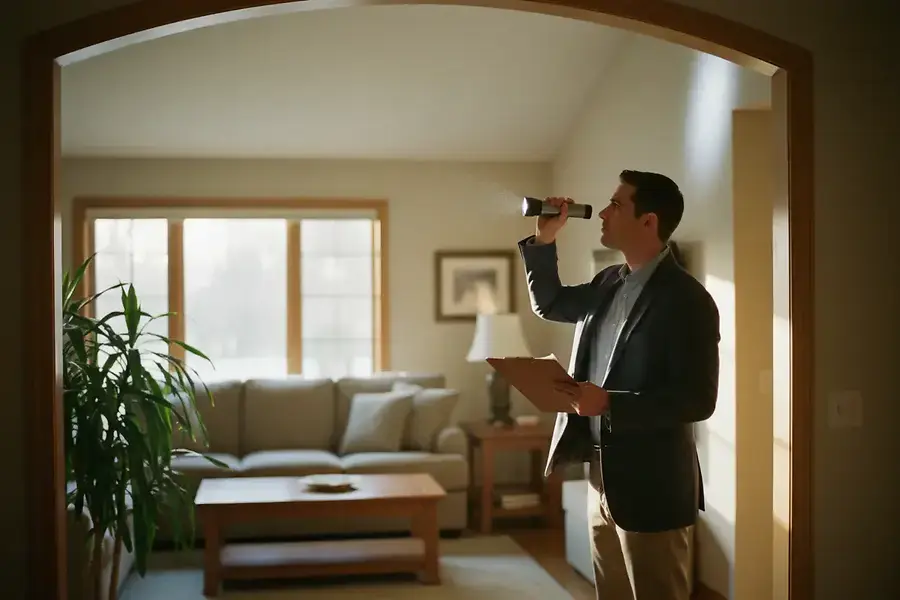
Why Pre-Inspection Preparation Matters
Selling a home is one of the most significant financial decisions you'll make, and a professional inspection can make or break the deal. When potential buyers schedule an inspection, they're looking for reassurance that their investment is sound. By preparing your home in advance, you demonstrate that you've maintained the property responsibly and care about transparency. This proactive approach can prevent last-minute negotiations, unexpected repair requests, and deals falling through entirely.
A well-prepared home not only passes inspection more smoothly but also instills confidence in buyers. Taking time to address issues before the inspection shows professionalism and honesty, qualities that buyers value highly. Moreover, fixing problems on your timeline and budget is far more cost-effective than dealing with inspector-identified issues during negotiations.
Common Areas Inspectors Examine and Red Flags to Avoid
Structural and Foundation Issues
Home inspectors pay close attention to your home's foundation and structural integrity. Look for cracks in the foundation, basement walls, or crawl spaces. Minor hairline cracks are often normal, but larger cracks or signs of water damage warrant professional evaluation. Check for:
- Uneven floors or sloping ceilings
- Gaps between walls and windows or doors
- Visible mold or water stains in basements
- Bowing or leaning walls
Roofing and Exterior
Your roof is your home's first line of defense against the elements. Inspectors will examine shingles, flashing, gutters, and downspouts. Address these issues before inspection day:
- Missing, cracked, or curling shingles
- Clogged or damaged gutters
- Deteriorating siding or paint
- Damaged or missing flashing around chimneys and vents
- Sagging gutters or downspouts that don't direct water away from the foundation
Plumbing and Water Systems
Water-related issues are among the most expensive to repair, so inspectors scrutinize plumbing carefully. Test all faucets, toilets, and showers to ensure they work properly. Check for leaks under sinks, slow drains, and water pressure issues. Don't ignore:
- Dripping faucets or running toilets
- Water stains on ceilings or walls
- Rust-colored water or discoloration
- Visible corrosion on pipes
- Inadequate water pressure
Electrical Systems
Electrical safety is paramount. Inspectors will test outlets, switches, and the main panel. Ensure all outlets work, lights function properly, and there are no exposed wires or hazardous conditions. Outdated electrical systems or missing ground fault circuit interrupters (GFCIs) in bathrooms and kitchens are red flags.
HVAC and Ventilation
Your heating, ventilation, and air conditioning system must operate efficiently. Have your HVAC system serviced and inspected by a professional before the home inspection. Replace air filters, ensure vents aren't blocked, and verify that the system heats and cools properly throughout the home.
Interior Conditions
Don't overlook interior details. Inspectors examine:
- Walls for cracks, holes, or water damage
- Ceilings for stains or sagging
- Flooring for damage, warping, or safety hazards
- Windows and doors for proper operation and sealing
- Appliances for functionality
DIY Fixes vs. Professional Repairs: Making Smart Decisions
When to Handle It Yourself
Some issues are perfect for DIY solutions. Simple cosmetic fixes and basic maintenance tasks can be handled without professional help:
- Painting walls or touch-ups
- Caulking gaps around windows and doors
- Replacing cabinet hardware or light fixtures
- Cleaning gutters and downspouts
- Replacing air filters in HVAC systems
- Fixing loose door handles or hinges
These improvements are cost-effective and demonstrate that you've maintained your home conscientiously.
When to Call a Professional
Certain issues require professional expertise. Don't attempt these repairs yourself:
- Electrical work beyond replacing outlets or switches
- Plumbing repairs involving main lines or significant leaks
- Roof repairs or replacement
- Foundation or structural repairs
- HVAC system repairs or replacement
- Asbestos or mold remediation
- Gas line repairs
Professional repairs protect your liability and ensure work meets building codes. Inspectors will recognize quality workmanship, and buyers will appreciate knowing that major systems were serviced by licensed professionals. Additionally, professional repairs often come with warranties that provide peace of mind to new homeowners.
Creating a Repair Priority List
You don't need to fix everything, but prioritize strategically. Focus on:
- Safety issues – electrical hazards, structural problems, or anything that poses risk
- Major systems – roof, HVAC, plumbing, and electrical
- Water damage – leaks, mold, or moisture issues
- Cosmetic improvements – paint, caulking, and minor touch-ups
This approach maximizes your investment while addressing the issues that matter most to inspectors and buyers.
Positioning Your Home for Success
Preparing your home for inspection is an investment in your sale's success. By addressing common issues proactively, you demonstrate responsibility and transparency. A well-maintained home passes inspection with fewer surprises, leading to smoother negotiations and faster closings.
Remember, the goal isn't perfection—it's honesty and safety. Focus on fixing legitimate problems rather than cosmetic enhancements. When inspectors see that you've maintained your home properly and addressed issues responsibly, they'll report favorably, and buyers will feel confident moving forward.
Take action today. Walk through your home with a critical eye, create a repair list, and tackle items systematically. Your diligence now will pay dividends when it's time to close the sale.


