Professional Home Staging Strategies for Longmont Residential Sellers
Transform your property with proven staging techniques that attract serious buyers and maximize your home's selling potential.

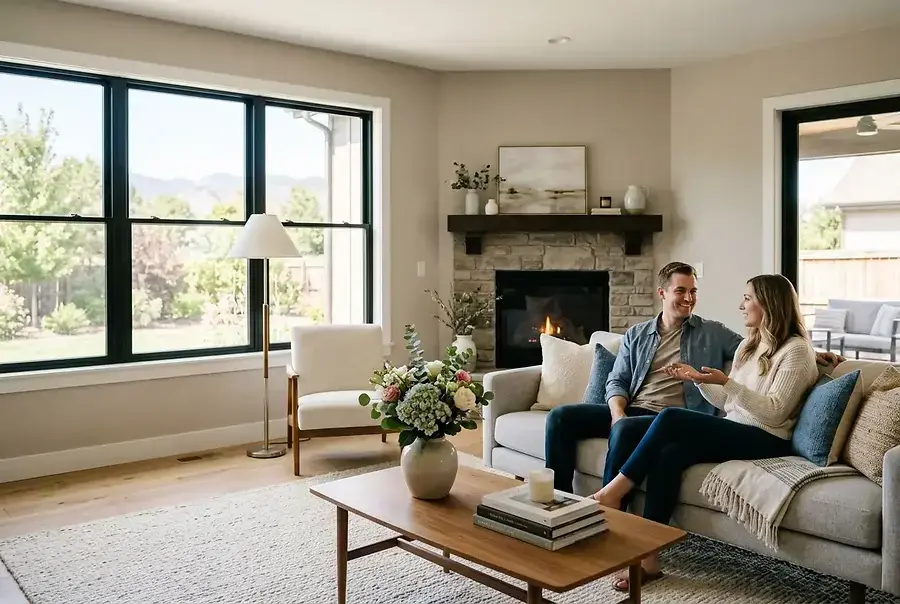
Why Home Staging Matters in Today's Competitive Market
In the current real estate landscape, first impressions are everything. When potential buyers view your Longmont home, they're making critical decisions within the first few minutes. Home staging is the strategic art of preparing your property to appeal to the broadest range of buyers, and it's more important than ever.
The statistics speak for themselves. Staged homes typically spend less time on the market and often sell for higher prices compared to unstaged properties. In a competitive Longmont market, staging can be the difference between a quick sale at your asking price and a property that lingers with price reductions.
Staging isn't about deceiving buyers—it's about helping them envision the full potential of your home. It removes personal clutter, highlights architectural features, and creates an emotional connection that motivates serious offers.
Essential Staging Techniques for Longmont Homes
Curb Appeal: Your First Opportunity
The exterior of your home is your first chance to impress. Longmont buyers often drive by properties before scheduling viewings, so your curb appeal is crucial.
- Power wash your driveway, walkway, and exterior walls
- Refresh landscaping with mulch, trimmed bushes, and seasonal flowers
- Paint or stain your front door in an inviting color
- Ensure your house numbers are visible and modern
- Add outdoor lighting to highlight architectural features
Interior Decluttering and Depersonalization
One of the most impactful staging techniques is removing personal items and excess belongings. Buyers need to imagine themselves living in your space, not feel like they're intruding on your personal life.
- Remove 30-50% of your personal belongings and decorations
- Pack away family photos, awards, and memorabilia
- Clear kitchen countertops of appliances and clutter
- Minimize bathroom accessories and personal care items
- Store seasonal items and excess furniture
Creating Neutral, Inviting Spaces
Neutral doesn't mean boring. It means creating a canvas that allows buyers to imagine their own style in your home.
- Paint walls in soft, neutral tones like beige, gray, or soft white
- Replace bold or outdated artwork with simple, elegant pieces
- Use neutral bedding and window treatments
- Ensure consistent flooring appearance throughout main living areas
- Add subtle pops of color through accessories that can be easily changed
Highlighting Key Features
Every home has unique selling points. Strategic staging draws attention to these features:
- Arrange furniture to showcase room size and flow
- Use lighting to highlight architectural details like fireplaces or built-ins
- Position seating to emphasize views or natural light
- Create focal points in each room with tasteful accessories
- Ensure all windows are clean to maximize natural light
The Power of Fresh Scents and Cleanliness
A clean home is a sold home. Deep cleaning is non-negotiable, and subtle pleasant scents can enhance the buying experience. Consider fresh coffee brewing or subtle vanilla scents during showings, but avoid overwhelming fragrances.
Common Staging Mistakes to Avoid
Over-Staging and Excessive Decoration
While staging is important, too much can backfire. Avoid filling every surface with decorative items or creating spaces that feel like a showroom rather than a home.
Ignoring Maintenance Issues
Staging cannot hide problems. Address leaky faucets, cracked tiles, peeling paint, and other maintenance issues before buyers arrive. These red flags signal poor home care and can kill deals.
Poor Lighting Choices
Dark, dim homes feel unwelcoming. Ensure all light fixtures work, replace burnt-out bulbs, and open curtains to maximize natural light. Consider adding lamps to darker corners.
Neglecting Outdoor Spaces
Longmont's beautiful outdoor spaces are a selling point. Don't neglect patios, decks, or yards. Stage these areas with clean furniture and inviting arrangements.
Furniture That's Too Large or Poorly Arranged
Oversized furniture makes rooms feel cramped. Arrange pieces to create natural traffic flow and emphasize room dimensions rather than obstruct them.
Strong Odors and Pet Evidence
Pet odors, cooking smells, and smoke are major turn-offs. Thoroughly clean, use odor eliminators, and ensure pets are not present during showings.
Measuring Success: How Staging Impacts Your Sale Timeline and Price
Tracking Market Performance
The true measure of successful staging is tangible results. Monitor these key metrics:
- Days on Market (DOM): Staged homes typically sell 20-30% faster than unstaged properties
- Offer Quality: Track the number of showings and offers received
- Final Sale Price: Compare your sale price to similar unstaged homes in Longmont
- Buyer Feedback: Ask your real estate agent about buyer comments during showings
The Financial Impact
Professional staging typically costs between $1,000 and $5,000 depending on home size and scope. However, the return on investment is substantial. Staged homes often sell for 5-10% more than unstaged properties, and the faster sale timeline reduces carrying costs like mortgage payments and property taxes.
"In today's competitive Longmont market, staging isn't an optional luxury—it's a strategic investment in your home's marketability and your bottom line."
Working with Professionals
While DIY staging is possible, professional stagers bring expertise, resources, and an objective eye. They understand Longmont's specific market preferences and buyer demographics, allowing them to tailor staging strategies for maximum impact.
Whether you choose professional staging or tackle it yourself, the key is approaching the process strategically. By understanding why staging matters, implementing proven techniques, avoiding common pitfalls, and measuring your results, you'll position your Longmont home for a successful, profitable sale.
Your home is likely your largest investment. Give it the attention and strategy it deserves.


