Professional Home Staging Strategies to Attract Buyers and Sell Faster
Learn proven staging techniques that highlight your home's best features and appeal to serious buyers.

Why Strategic Staging Impacts Your Sale Price and Timeline
When potential buyers walk through your home, they're not just evaluating the property—they're imagining their future there. Strategic staging is the art of presenting your home in its absolute best light, and it directly influences both your sale price and how quickly your property sells. Studies show that well-staged homes sell significantly faster and often command higher prices than unstaged properties.
The goal of staging isn't to deceive buyers; it's to help them see the true potential of your space. By removing clutter, highlighting architectural features, and creating inviting atmospheres, you're essentially giving buyers a clear vision of what life could look like in your home. This emotional connection often translates into competitive offers and shorter time on the market.
Room-by-Room Staging Techniques That Work
The Living Room: Create an Inviting Gathering Space
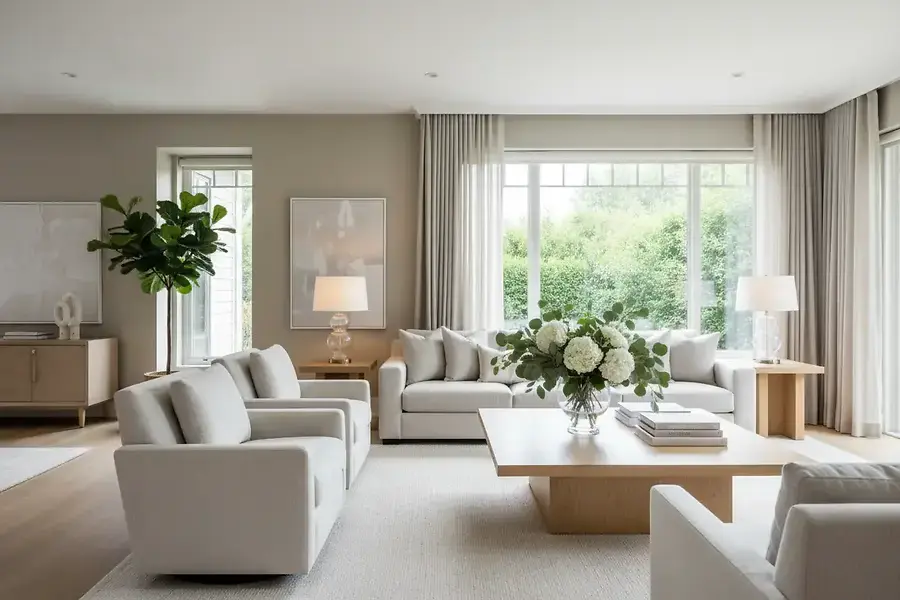
Your living room should feel warm and welcoming. Arrange furniture to create conversation areas rather than pushing everything against walls. Use neutral colors as your foundation, then add pops of color through pillows and artwork. Remove personal photos and family memorabilia—buyers need to envision their own memories in the space.
- Declutter shelves and display only a few carefully chosen items
- Ensure good lighting with multiple light sources
- Add fresh flowers or plants for life and freshness
- Keep the space smelling fresh with subtle scents
The Kitchen: Showcase Functionality and Cleanliness
The kitchen is often the most important room for buyers. Clean every surface until it gleams, including appliances, countertops, and backsplashes. Clear counters of clutter—keep only a few essential items like a fruit bowl or coffee maker visible. Open shelving should display attractive dishware and glassware.
- Organize cabinets so they appear spacious when opened
- Ensure all appliances are in perfect working condition
- Update hardware if it looks dated
- Stage the kitchen table with place settings or a simple centerpiece
The Bedroom: Emphasize Comfort and Tranquility
Bedrooms should feel like peaceful retreats. Invest in quality bedding in neutral tones and keep the room uncluttered. Remove exercise equipment, work desks, or anything that suggests the room serves multiple purposes. Buyers want to see a dedicated bedroom space.
- Use soft, neutral colors on walls and bedding
- Add throw pillows and a decorative throw blanket
- Keep nightstands minimal with just a lamp and perhaps a small plant
- Ensure adequate closet space is visible and organized
The Bathroom: Emphasize Cleanliness and Spa-Like Appeal
Bathrooms must be spotlessly clean. Remove personal items from counters and organize under-sink storage. Add fluffy towels, a small plant, and perhaps a scented candle to create a spa-like atmosphere. Replace worn shower curtains and ensure all fixtures shine.
- Deep clean grout and tiles
- Replace old caulking if needed
- Ensure proper ventilation and fresh air
- Display quality towels rolled or folded neatly
Outdoor Spaces: Create Curb Appeal
First impressions matter tremendously. Your front entrance sets the tone for the entire showing. Ensure landscaping is well-maintained, paint the front door a welcoming color, and add potted plants or flowers. Clean the driveway and walkway thoroughly.
Avoid These Common Staging Mistakes That Turn Buyers Away
Mistake #1: Over-Personalizing Your Space
Family photos, religious items, and personal collections can distract buyers from envisioning themselves in the home. Pack away personal items and create a neutral canvas that appeals to the broadest audience possible.
Mistake #2: Neglecting Odors and Cleanliness
Pet odors, cooking smells, and mustiness are immediate turn-offs. Deep clean your entire home before showings and consider professional cleaning services. Open windows for fresh air and use subtle, neutral scents if needed.
Mistake #3: Poor Lighting
Dark homes feel uninviting and smaller than they actually are. Open all curtains and blinds during showings, replace dim bulbs with brighter ones, and add lamps to darker corners. Good lighting makes spaces feel larger and more welcoming.
Mistake #4: Overcrowding Rooms with Furniture
Too much furniture makes rooms feel cramped and cluttered. Remove pieces that aren't essential and arrange remaining furniture to maximize the sense of space. Buyers need to be able to walk through rooms easily.
Mistake #5: Ignoring Curb Appeal
If your exterior doesn't impress, many buyers won't even step inside. Invest in landscaping, fresh paint, and a clean entrance. Your home's exterior is your first and most important sales tool.
Mistake #6: Leaving Repairs Undone
Broken fixtures, peeling paint, and damaged flooring signal neglect to buyers. Address all visible repairs before staging. These issues raise red flags and make buyers question what else might be wrong with the property.
Transform Your Home's Appeal and Maximize Your Selling Potential
Professional home staging is an investment that typically returns far more than it costs. By strategically presenting your home's best features and creating inviting spaces, you're not just selling a property—you're selling a lifestyle and a vision of the future.
Remember: Staging isn't about fooling buyers; it's about helping them see your home's true potential and imagine their life within its walls.
Whether you choose to stage your home yourself or hire a professional stager, the key is to approach each room with intention. Focus on cleanliness, decluttering, neutral aesthetics, and creating emotional connections. Avoid common mistakes that distract from your home's strengths, and always prioritize curb appeal.
The effort you invest in staging today will pay dividends when you receive multiple offers and close your sale quickly. Your home deserves to shine, and with these proven strategies, it absolutely will.