Professional Home Staging Strategies to Attract Serious Buyers
Transform your residential property into an irresistible showcase that sells faster and commands premium offers.

Why Home Staging Matters in Today's Competitive Market
In today's fast-paced real estate landscape, first impressions are everything. Home staging has become an essential tool for sellers who want to stand out in a crowded marketplace and attract serious, qualified buyers. When done strategically, staging can significantly reduce the time your property spends on the market and increase its final sale price.
The statistics speak for themselves: staged homes sell approximately 73% faster than unstaged properties, and they often command prices that are 5-10% higher. Buyers today are more discerning than ever, and they're looking for homes that feel move-in ready and emotionally appealing. Professional staging helps potential buyers envision themselves living in your space, which is the key to generating competitive offers.
Beyond aesthetics, staging is about creating a narrative. It's about telling the story of your home in a way that resonates with your target audience and highlights its best features. Whether you're selling a cozy starter home or a luxury estate, the principles of effective staging remain consistent.
Essential Staging Strategies for Every Room and Space
The Entryway and Curb Appeal
Your home's entrance is the first thing buyers see, and it sets the tone for their entire visit. Invest in curb appeal by ensuring your front door is freshly painted, landscaping is well-maintained, and the pathway is clean and inviting. Add potted plants, update house numbers, and ensure adequate outdoor lighting. A well-lit, welcoming entrance signals that the home has been cared for.
Living Spaces and Common Areas
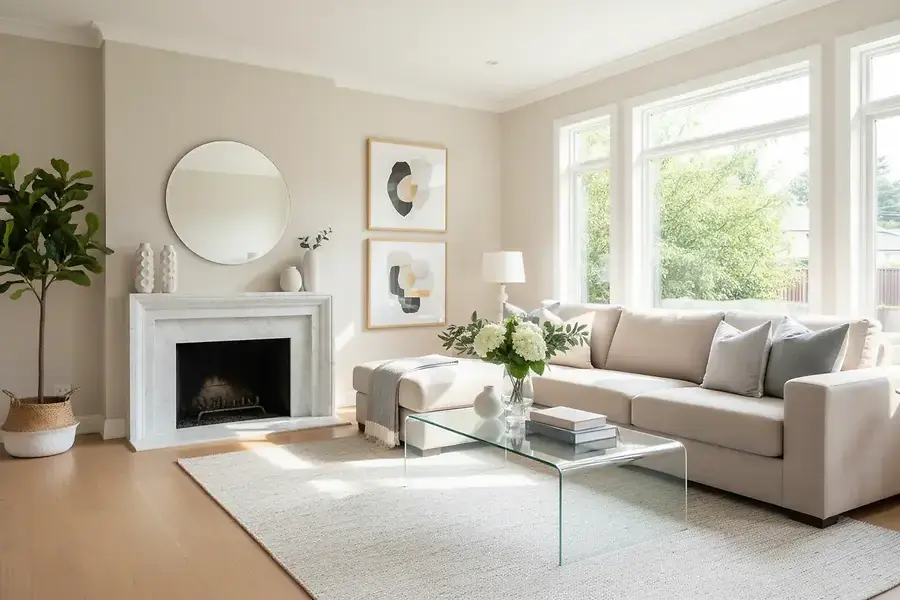
In living rooms and family spaces, the goal is to create an atmosphere of comfort and possibility. Declutter ruthlessly—remove personal items, excess furniture, and anything that doesn't serve a purpose. Arrange furniture to create natural conversation areas and highlight the room's best features, whether that's a fireplace, large windows, or architectural details.
Neutral color palettes work best for staging. Paint accent walls in soft, sophisticated tones and use strategic lighting to create warmth and depth. Fresh flowers, tasteful artwork, and quality throw pillows add polish without overwhelming the space.
Kitchen and Dining Areas
The kitchen is often the most important room for buyers. Keep countertops clear and clean, remove small appliances, and organize cabinets so they appear spacious. Update cabinet hardware if it looks dated, and ensure all appliances are spotless. A bowl of fresh fruit or fresh flowers on the counter adds a homey touch without clutter.
In dining areas, set a simple, elegant table that suggests entertaining potential. This helps buyers visualize hosting gatherings in the space.
Bedrooms and Bathrooms
Bedrooms should feel like peaceful retreats. Keep beds neatly made with high-quality linens, remove excess furniture, and ensure adequate lighting. Bathrooms should sparkle—replace old shower curtains, upgrade towels, and ensure everything is spotlessly clean. Small touches like fresh towels, quality soap, and a single plant create a spa-like atmosphere that appeals to buyers.
Outdoor Spaces
Don't neglect patios, decks, and gardens. Arrange outdoor furniture to create inviting seating areas, add potted plants, and ensure the space is clean and well-maintained. Outdoor spaces extend the living area in buyers' minds and significantly impact their perception of value.
Avoiding Common Staging Mistakes That Deter Buyers
Over-Personalizing Your Space
While your family photos and personal collections mean the world to you, they can distract buyers from envisioning themselves in the home. Pack away personal items, family portraits, and anything that reflects your specific lifestyle or beliefs. The goal is to create a blank canvas that allows buyers to project their own dreams onto the space.
Neglecting Deep Cleaning
Staging isn't just about arrangement—it's about cleanliness. Dust, dirt, and grime send a message that the home hasn't been well-maintained. Invest in professional cleaning services before showing your home. Pay special attention to baseboards, light fixtures, windows, and often-overlooked areas like ceiling fans and door frames.
Overcrowding Rooms
Too much furniture makes spaces feel cramped and smaller than they actually are. Remove unnecessary pieces and create a sense of flow and openness. Buyers want to imagine their own furniture in the space, so less is definitely more.
Ignoring Lighting
Poor lighting can make even beautiful homes feel uninviting. Open all curtains and blinds during showings, replace dim bulbs with brighter ones, and add lamps to create warm, welcoming ambiance. Natural light is a major selling point—don't hide it.
Unpleasant Odors
Cooking smells, pet odors, and mustiness can be major turn-offs. Ensure your home smells fresh and clean. Avoid strong artificial scents, but subtle touches like fresh-baked cookies or fresh flowers can create positive associations. Open windows for fresh air before showings.
Outdated or Worn Elements
Worn carpeting, outdated fixtures, and chipped paint signal deferred maintenance. Address these issues before staging. Fresh paint, new hardware, and updated lighting fixtures are relatively inexpensive upgrades that yield significant returns.
Turning Curb Appeal into Closing Day Success
Professional home staging is an investment that pays dividends. By strategically presenting your home's best features, creating inviting spaces, and avoiding common pitfalls, you position yourself for a faster sale and stronger offers.
Remember that staging is about creating an emotional connection. Buyers purchase homes based on how they feel in the space, not just the square footage or number of bedrooms. When you stage effectively, you're not just selling a house—you're selling a lifestyle and a dream.
Whether you choose to stage your home yourself or hire a professional stager, the investment will likely pay for itself many times over through increased sale price and reduced time on market. In today's competitive real estate environment, staging isn't optional—it's essential for serious sellers who want serious results.


