Professional Home Staging Strategies to Maximize Buyer Appeal and Sales Price
Transform your residential property into an irresistible showcase that commands top dollar and attracts serious buyers.

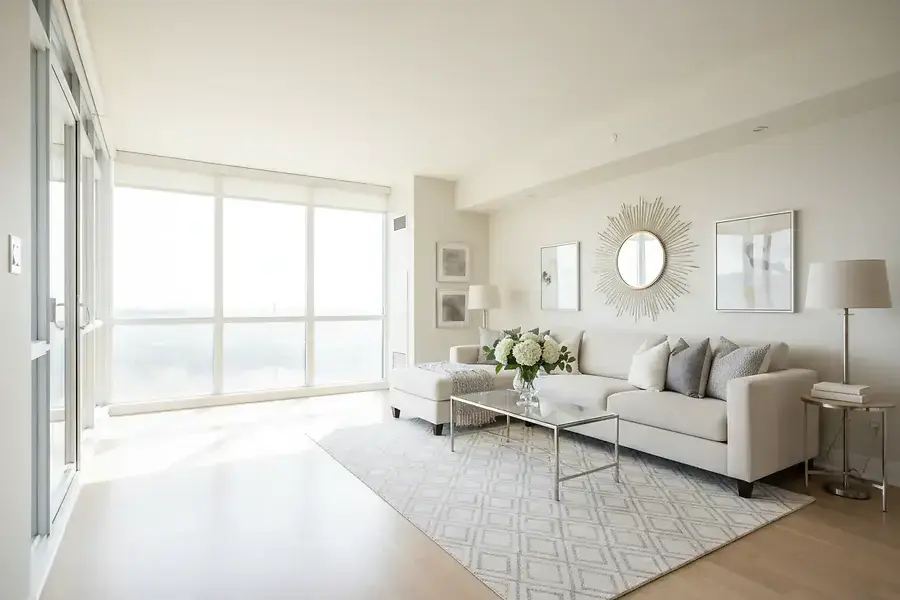
Introduction: Why Home Staging Matters in Today's Competitive Market
In today's competitive real estate landscape, first impressions are everything. When potential buyers step into a property, they have mere minutes to envision themselves living there. Professional home staging is the art and science of preparing a residential property to appeal to the widest range of buyers while highlighting its best features. Rather than leaving your home's potential to chance, strategic staging creates an emotional connection that can significantly impact your final sale price.
The statistics speak for themselves. Staged homes typically sell faster and for higher prices than unstaged properties. Buyers are willing to pay a premium for homes that feel move-in ready and emotionally appealing. Whether you're selling in a buyer's market or a seller's market, staging provides a competitive edge that can mean the difference between a quick sale at top dollar and a property that lingers on the market.
Strategic Decluttering and Depersonalization Techniques
The Power of Minimalism
The first step in professional staging is removing the excess. Decluttering is not about making your home feel empty—it's about creating breathing room that allows buyers to focus on the property's architecture and potential. Too many personal items, furniture, and decorations distract buyers and make spaces feel smaller than they actually are.
- Remove 30-50% of decorative items from shelves and surfaces
- Clear kitchen countertops of appliances and personal items
- Minimize bedroom furniture to create a sense of spaciousness
- Store seasonal decorations and excess clothing
- Eliminate family photos and highly personal memorabilia
Depersonalization for Universal Appeal
While your home is deeply personal to you, buyers need to imagine it as their own. Depersonalization involves removing elements that are too specific to your lifestyle, taste, or beliefs. This doesn't mean creating a sterile environment—rather, it means creating a neutral canvas where buyers can project their own dreams.
Replace bold, trendy artwork with neutral pieces or leave walls relatively bare. Remove family photos, religious items, and hobby-related collections. Repaint walls in soft, neutral tones like beige, gray, or soft white. These changes allow buyers to see themselves in the space rather than seeing your life reflected back at them.
Organizing for Impact
What remains should be organized and intentional. Every item visible to buyers should serve a purpose in telling the story of how the space can be used. Organize closets to show ample storage, arrange kitchen cabinets to demonstrate functionality, and display books and decorative items thoughtfully rather than haphazardly.
Creating Emotional Connections Through Lighting, Furniture, and Décor
Lighting: The Foundation of Emotional Appeal
Lighting is perhaps the most underrated element of home staging. Proper lighting can transform a dark, uninviting space into a warm, welcoming sanctuary. Natural light is ideal, so clean windows thoroughly and remove heavy curtains or drapes. Replace them with light, airy window treatments that allow sunlight to flood the space.
For artificial lighting, layer your approach:
- Install bright, energy-efficient bulbs in overhead fixtures
- Add table lamps to create warm, intimate corners
- Use accent lighting to highlight architectural features
- Ensure all light fixtures are clean and in working order
- Avoid harsh fluorescent lighting in living spaces
Furniture Arrangement and Scale
Furniture placement dramatically affects how buyers perceive space. Arrange furniture to create natural traffic flow and define the purpose of each room. In living rooms, create conversation areas. In bedrooms, position the bed as a focal point. In dining areas, ensure the table is appropriately sized for the room.
Remove oversized furniture that overwhelms small spaces. If a room feels cramped, consider removing a piece entirely rather than cramming everything in. The goal is to make spaces feel larger and more functional, not to fill every square inch.
Strategic Décor and Styling
Décor should be intentional and cohesive. Use a consistent color palette throughout the home to create flow and sophistication. Incorporate natural elements like plants, flowers, and wood accents to add warmth and life to spaces.
Consider these staging touches:
- Fresh flowers or potted plants in key areas
- Throw pillows and blankets in coordinating colors
- Artwork that complements the room's style
- Mirrors to reflect light and create a sense of space
- Area rugs to define spaces and add warmth
- Tasteful accessories on shelves and tables
Room-Specific Staging Strategies
Kitchen: Clean appliances until they shine, clear countertops except for a few decorative items, and ensure cabinets are organized and accessible. A fresh bowl of fruit or fresh flowers adds life.
Master Bedroom: Invest in quality bedding, add decorative pillows, and keep the space serene and clutter-free. This is where buyers envision relaxation and privacy.
Bathrooms: Ensure everything is spotlessly clean, add fluffy towels, and include small touches like fresh soap and a plant. Bathrooms should feel like spa-like retreats.
Outdoor Spaces: Curb appeal matters tremendously. Maintain landscaping, add potted plants, ensure the entrance is welcoming, and consider outdoor furniture to showcase patio potential.
Conclusion: The ROI of Professional Home Staging
Professional home staging is an investment that typically returns far more than it costs. Homes that are properly staged sell faster, attract more qualified buyers, and command higher prices than unstaged properties. The combination of strategic decluttering, thoughtful depersonalization, and emotional appeal through lighting and décor creates an irresistible package.
By implementing these professional staging strategies, you're not just preparing your home for sale—you're creating an experience that resonates with buyers on an emotional level. You're helping them see the potential, imagine their future, and feel confident that they're making the right investment. In today's competitive market, that emotional connection can be the deciding factor between a good sale and an exceptional one.
Remember: The goal of staging is not to deceive, but to reveal your home's true potential and help buyers fall in love with the space.


