Professional Home Staging Strategies to Sell Faster and Attract Serious Buyers
Discover proven staging techniques that help residential properties attract serious buyers and command premium prices.

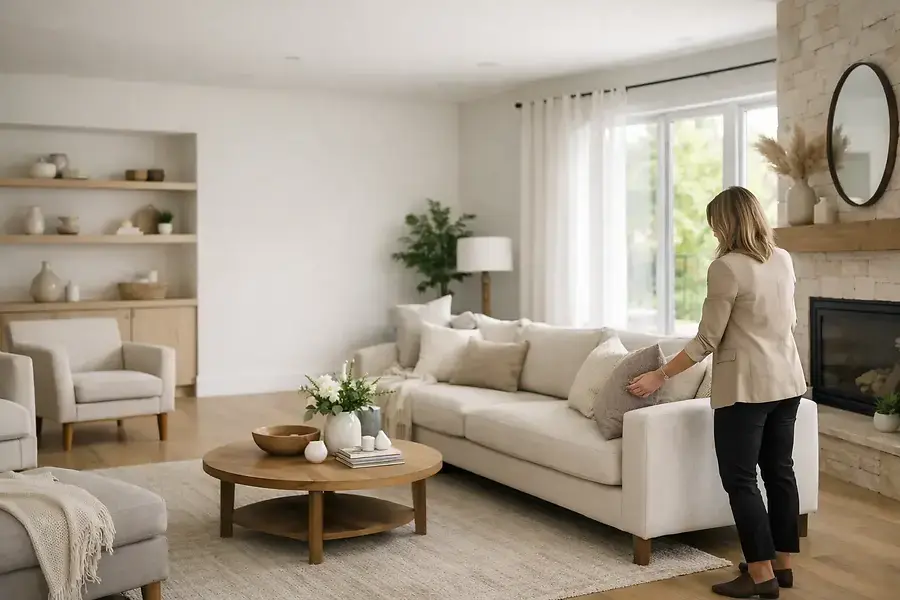
The Power of First Impressions in Residential Sales
When potential buyers step through your front door, they form an opinion within seconds. This critical first impression can determine whether they continue viewing your home or move on to the next listing. Professional home staging is the art and science of presenting your property in its absolute best light, creating an emotional connection that transforms casual browsers into serious buyers.
The real estate market is competitive, and homes that are properly staged sell faster and often for higher prices than unstaged properties. Staging isn't about deceiving buyers—it's about highlighting your home's best features, maximizing perceived space, and helping potential buyers envision themselves living in the property. Whether you're selling a cozy apartment or a sprawling suburban home, strategic staging techniques can significantly impact your bottom line.
Strategic Decluttering and Depersonalization for Maximum Appeal
The Power of Less
One of the most impactful staging strategies is aggressive decluttering. Buyers want to see the potential of your home, not navigate around your personal belongings. Start by removing 30-50% of the items currently visible in each room. This includes:
- Personal photographs and family memorabilia
- Excess furniture that makes rooms feel cramped
- Decorative items that don't serve a purpose
- Appliances and gadgets cluttering countertops
- Books, magazines, and papers scattered throughout
The goal is to create a blank canvas that allows buyers to project their own lifestyle onto your space. When homes feel too personalized, potential buyers struggle to imagine their own belongings and memories in the environment.
Neutralizing Your Color Palette
Neutral colors are your staging best friend. While you may love bold accent walls or vibrant paint colors, these personal choices can be polarizing to buyers. Consider repainting walls in soft, neutral tones such as:
- Warm whites and creams
- Soft grays and beiges
- Light taupe and greige (gray-beige blend)
- Pale blues and greens for calming effects
Neutral doesn't mean boring. These colors create a sophisticated backdrop that makes spaces feel larger, cleaner, and more inviting. They also allow your home's architectural features and natural light to take center stage.
Lighting, Color, and Furniture Arrangement That Highlights Space
Mastering Natural and Artificial Lighting
Lighting is perhaps the most underrated element of home staging. Poor lighting can make even beautiful spaces feel uninviting and small. Maximize natural light by:
- Opening all curtains and blinds during showings
- Cleaning windows thoroughly inside and out
- Trimming outdoor vegetation blocking windows
- Using sheer curtains instead of heavy drapes
For artificial lighting, layer your approach with ambient, task, and accent lighting. Replace harsh overhead fixtures with softer options, add table lamps to create warmth, and use dimmer switches to set the mood. Warm white bulbs (2700K) create a more inviting atmosphere than cool white or daylight bulbs.
Strategic Furniture Placement
How you arrange furniture dramatically impacts how spacious and functional rooms appear. Follow these professional staging principles:
- Create conversation areas: Arrange seating to face each other, making spaces feel intimate and purposeful
- Define room zones: Use furniture to establish distinct areas in open-concept spaces
- Maintain traffic flow: Ensure clear pathways through each room
- Float furniture: Pull pieces away from walls to make rooms feel larger and more sophisticated
- Scale appropriately: Use appropriately-sized furniture for each space—oversized pieces overwhelm small rooms
In bedrooms, invest in quality bedding and keep nightstands minimal. In living areas, create focal points around fireplaces or windows. In kitchens, clear countertops except for a few high-end appliances or decorative bowls.
The Strategic Use of Accessories
While decluttering is essential, strategic accessories add polish and sophistication. Use the rule of three: group items in odd numbers for visual appeal. Fresh flowers, quality throw pillows, and tasteful artwork create visual interest without overwhelming spaces. Every accessory should serve a purpose or enhance the room's aesthetic.
"Professional staging isn't about making your home look like a showroom—it's about helping buyers see the lifestyle your home enables."
Transform Your Home's Market Potential Through Professional Staging
The investment in professional home staging typically returns 5-10 times its cost through faster sales and higher offers. Buyers are willing to pay premium prices for homes that feel move-in ready, well-maintained, and emotionally appealing.
Key takeaways for successful staging:
- Declutter ruthlessly to showcase space and potential
- Depersonalize to help buyers envision their own lives in your home
- Optimize lighting to create warmth and spaciousness
- Use neutral colors as a sophisticated backdrop
- Arrange furniture strategically to highlight functionality
- Add carefully chosen accessories for polish and appeal
Your home is likely your largest financial asset. Taking time to stage it properly isn't vanity—it's smart business. Whether you hire a professional stager or implement these strategies yourself, the effort you invest in presentation directly impacts your sale price and how quickly your home sells.
In today's competitive real estate market, homes that are properly staged don't just sell faster—they sell for more. By implementing these professional staging strategies, you're not just preparing your home for sale; you're maximizing its market potential and positioning yourself for the best possible outcome.


