Professional Home Staging Techniques to Sell Faster and Attract Premium Offers
Learn proven staging strategies that help residential properties stand out and command higher prices in competitive markets.

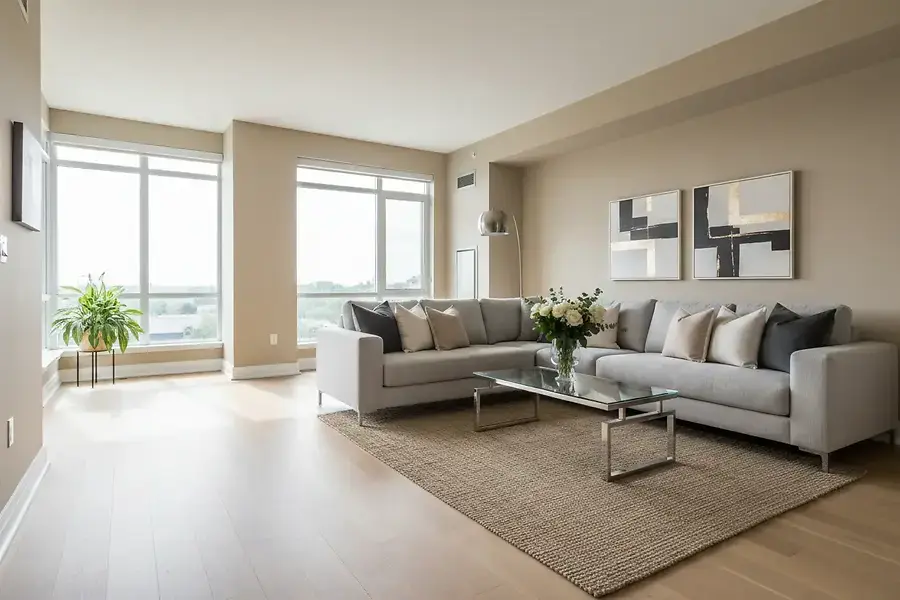
The Power of Strategic Home Staging
Home staging has become an essential tool for sellers looking to maximize their property's appeal and selling price. When done correctly, strategic staging can dramatically reduce time on the market and attract serious buyers willing to pay premium prices. The concept is simple yet powerful: by presenting your home in its best possible light, you create an emotional connection with potential buyers and help them envision their future in the space.
The real estate market is more competitive than ever, and first impressions matter tremendously. Studies show that homes that are properly staged sell faster and for higher prices compared to unstaged properties. Professional staging goes beyond simple cleaning and decluttering—it's about strategically arranging furniture, optimizing lighting, and creating an inviting atmosphere that appeals to your target buyer demographic.
Essential Staging Techniques That Attract Serious Buyers
Declutter and Depersonalize Your Space
The first step in effective home staging is removing excess items that distract from your home's best features. Decluttering creates a sense of spaciousness and allows buyers to focus on the property itself rather than your personal belongings. Remove family photos, personal collections, and items that reflect your individual style. The goal is to create a neutral canvas that allows buyers to imagine their own lives in the space.
Start by going through each room and removing approximately 30-50% of visible items. Store seasonal decorations, excess furniture, and personal memorabilia. This simple step can make rooms appear larger and more inviting.
Optimize Lighting and Natural Light
Lighting dramatically affects how buyers perceive your home. Maximize natural light by opening curtains and blinds during showings, and ensure all light fixtures are clean and functional. Replace dim bulbs with brighter alternatives, and consider adding strategic lighting to dark corners or hallways.
During evening showings, turn on lights throughout the home to create a warm, welcoming atmosphere. Avoid harsh overhead lighting in favor of layered lighting that includes ambient, task, and accent lights. Well-lit homes feel more spacious, clean, and inviting.
Create Functional Furniture Arrangements
Furniture placement should emphasize the flow of each room and highlight its best features. Arrange furniture to create clear pathways and define the purpose of each space. In living rooms, position seating to encourage conversation. In bedrooms, ensure the bed is the focal point and that there's adequate space to move around.
Remove oversized furniture that makes rooms feel cramped. If a room appears too small for its intended purpose, consider removing a piece or two to create a more spacious feel. The key is helping buyers visualize how they would use each space.
Enhance Curb Appeal
Your home's exterior is the first thing buyers see, making curb appeal absolutely critical. Focus on these elements:
- Paint the front door a welcoming color that complements your home's exterior
- Maintain landscaping by trimming bushes, mowing the lawn, and removing dead plants
- Add fresh mulch to garden beds and plant colorful flowers
- Clean the driveway, walkway, and entrance thoroughly
- Ensure house numbers are visible and well-maintained
- Add outdoor lighting to highlight architectural features
Stage Key Rooms Strategically
While every room matters, certain spaces deserve extra attention. The kitchen and master bedroom are typically the most important rooms for buyers. In the kitchen, clear countertops, organize cabinets, and ensure appliances shine. Add fresh flowers or a bowl of fruit for a homey touch.
In the master bedroom, invest in quality bedding, add decorative pillows, and ensure the room feels like a peaceful retreat. Bathrooms should be spotlessly clean, with fresh towels, organized under-sink storage, and minimal personal items visible.
Use Neutral Colors and Minimal Decor
Paint walls in neutral colors like soft grays, warm whites, or gentle beiges. These colors appeal to a broader audience and allow buyers to imagine their own design choices. Avoid bold or trendy colors that might turn off potential buyers.
When decorating, less is more. Add a few tasteful accessories like throw pillows, artwork, or plants, but avoid cluttering surfaces. The goal is to create an elegant, uncluttered environment that feels both spacious and welcoming.
Avoiding Common Staging Mistakes Residential Sellers Make
Over-Personalizing Your Home
One of the biggest staging mistakes is keeping your home too personal. While your family photos and collections are meaningful to you, they can distract buyers from envisioning themselves in the space. Remove personal items and create a neutral environment that appeals to the widest possible audience.
Neglecting Maintenance and Cleanliness
No amount of staging can overcome a dirty or poorly maintained home. Deep clean every surface, fix minor repairs, and ensure your home smells fresh and clean. Address issues like water stains, scuffed walls, or broken fixtures before showing your home. These details signal to buyers whether the home has been well-cared for.
Overcrowding Rooms with Furniture
Too much furniture makes rooms feel small and cramped. Remove pieces that aren't essential, and ensure there's clear space for buyers to walk through comfortably. Remember that empty space is valuable—it makes rooms feel larger and more inviting.
Ignoring Odors and Sensory Details
Unpleasant odors can immediately turn off buyers. Eliminate cooking smells, pet odors, and mustiness by opening windows, using air purifiers, and deep cleaning. Consider subtle pleasant scents like fresh coffee or vanilla, but avoid overwhelming artificial fragrances.
Poor Lighting Choices
Dark, dimly lit homes feel uninviting and smaller than they actually are. Ensure all areas are well-lit, and avoid heavy curtains that block natural light. This is one of the most impactful yet often overlooked staging elements.
Maximize Your Home's Market Appeal and Selling Price
Professional home staging is an investment that typically pays for itself many times over through faster sales and higher offers. By implementing these proven techniques, you create an environment where buyers can emotionally connect with your property and envision their future there.
Remember that staging is about highlighting your home's strengths while minimizing its weaknesses. Every element—from furniture placement to lighting to curb appeal—should work together to create a compelling narrative about your home's potential.
Whether you choose to stage your home yourself or hire a professional stager, the investment in presenting your property strategically will likely result in a faster sale and a higher final price. In today's competitive real estate market, staging isn't a luxury—it's a necessity for sellers who want to maximize their return and attract serious, qualified buyers.


