Property Tax Assessments in Lakewood: A Homeowner's Complete Guide
Learn how Lakewood's property tax system works and discover strategies to ensure your home is fairly assessed.

Introduction: Why Property Tax Assessments Matter for Lakewood Homeowners
Property taxes are one of the largest expenses homeowners face, and understanding how your home is assessed is crucial to protecting your investment. In Lakewood, property tax assessments directly impact the amount you pay annually, making it essential to ensure your home is valued fairly and accurately. Many homeowners don't realize they have the power to challenge assessments they believe are incorrect, potentially saving thousands of dollars over time.
Whether you're a long-time Lakewood resident or new to the area, understanding the assessment process empowers you to take control of your tax obligations. This guide will walk you through how assessments work, what factors influence your property's value, and the steps you can take if you believe your assessment is unfair.
How Lakewood Determines Property Tax Assessments and What Factors Are Evaluated
The Assessment Process
Lakewood's property tax assessments are conducted by the county assessor's office, which evaluates properties to determine their fair market value. This valuation forms the basis for calculating your annual property tax bill. The assessor uses a systematic approach that combines data collection, market analysis, and standardized valuation methods to arrive at each property's assessed value.
Key Factors That Influence Your Assessment
Several important factors affect how your property is assessed:
- Property Size and Square Footage: The total living area of your home is a primary determinant of value. Larger homes typically have higher assessments.
- Land Value: The size and location of your lot significantly impact the overall assessment. Prime locations command higher land values.
- Age and Condition: Newer homes or those in excellent condition generally receive higher assessments than older or poorly maintained properties.
- Improvements and Upgrades: Recent renovations, new roofing, updated electrical systems, and modern amenities can increase your assessed value.
- Comparable Sales: The assessor analyzes recent sales of similar properties in your neighborhood to establish fair market value.
- Location and Neighborhood: Proximity to schools, parks, shopping centers, and overall neighborhood desirability affect property values.
- Zoning and Land Use: How your property is zoned and its permitted uses influence its assessed value.
Understanding Your Assessment Notice
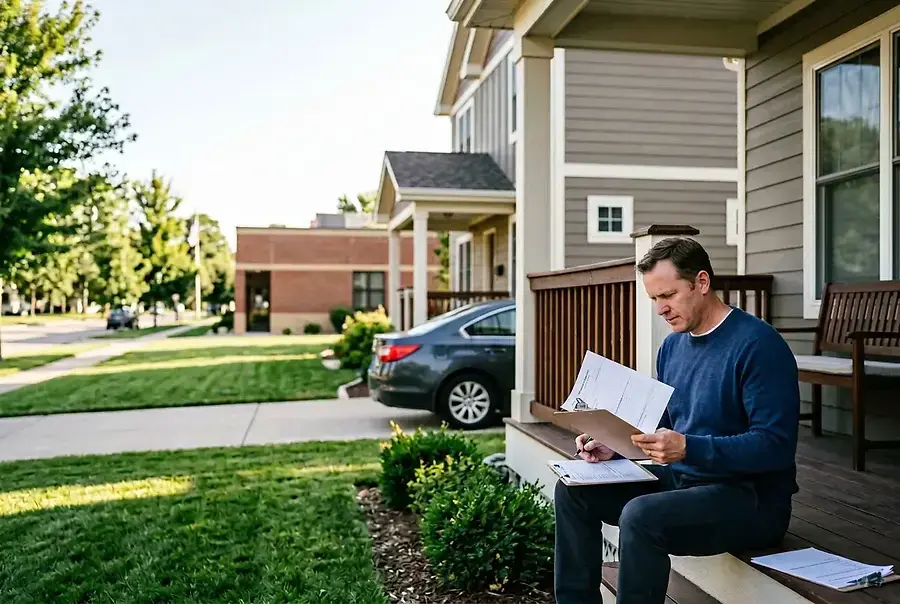
When you receive your assessment notice from Lakewood, it will include detailed information about your property's assessed value. Take time to review this document carefully. Check that all property details are accurate—including square footage, number of bedrooms and bathrooms, lot size, and any improvements listed. Errors in these basic facts can lead to inflated assessments.
Pro Tip: Keep a copy of your assessment notice and compare it with your property's actual characteristics. If you've made improvements that aren't reflected in the assessment, document them with photos and receipts.
Steps to Challenge or Appeal Your Assessment if You Believe It's Inaccurate
Gather Your Evidence
Before filing an appeal, compile documentation to support your case. This might include:
- Recent appraisals from qualified appraisers
- Comparable sales data for similar homes in your area
- Photos documenting property condition and any defects
- Receipts for recent repairs or maintenance issues
- Documentation of any structural problems or needed improvements
- Evidence of market conditions affecting property values
File a Formal Appeal
Lakewood typically has specific deadlines for filing assessment appeals, usually within 30 days of receiving your assessment notice. Contact the county assessor's office to obtain the formal appeal form and submission requirements. Your appeal should clearly explain why you believe the assessment is inaccurate and include all supporting documentation.
When preparing your appeal, focus on factual information rather than emotional arguments. Present comparable properties that sold for less than your assessed value, highlight any errors in the property description, and provide evidence of property defects or needed repairs that should reduce the valuation.
The Appeal Hearing
If your initial appeal is denied, you may have the right to request a hearing before the county assessor or a review board. During this hearing, you'll have the opportunity to present your case directly. Consider hiring a property tax professional or attorney if your home's value is significantly high or if the assessment error is substantial.
Prepare thoroughly for your hearing by organizing your evidence logically, practicing your presentation, and anticipating questions the assessor might ask. Bring all original documents and be ready to explain why you believe the assessment is unfair.
Know Your Rights and Deadlines
Understanding the timeline for appeals is critical. Missing deadlines can result in losing your right to challenge the assessment for that year. Keep detailed records of all communications with the assessor's office, including dates, names of staff members, and what was discussed.
"Many homeowners successfully reduce their assessments by simply providing accurate information about their properties. Don't assume the assessor has all the facts—take an active role in the process."
Conclusion: Protecting Your Investment Through Tax Assessment Awareness
Your property is likely one of your most valuable assets, and the assessment placed on it directly affects your financial obligations. By understanding how Lakewood's assessment system works and taking an active role in reviewing your property's valuation, you can ensure you're paying a fair share of taxes.
Don't accept an assessment passively. Review your notice carefully, gather evidence if you believe an error exists, and don't hesitate to file an appeal if warranted. The time and effort invested in this process can result in significant savings and provide peace of mind that your home is valued accurately. Remember, you have the right to challenge your assessment—use it to protect your investment and your wallet.