Property Tax Assessments in Pinellas County: A Homeowner's Guide
Learn how property tax assessments work and what they mean for your home's value in the Tampa Bay area.

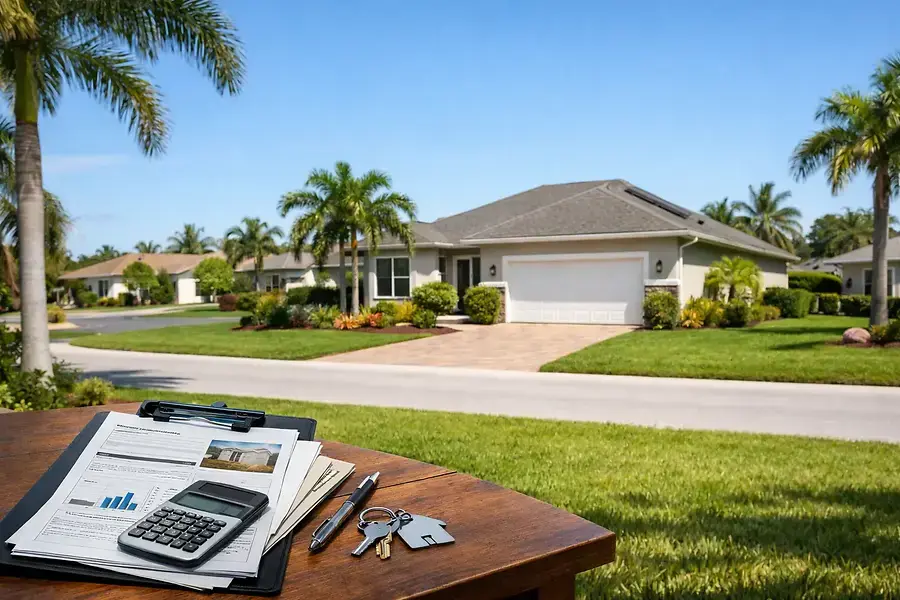
Introduction: Demystifying Property Tax Assessments for Homeowners
Property tax assessments can be confusing and intimidating for many homeowners in Pinellas County. Every year, your home receives a valuation that directly impacts the property taxes you owe. Understanding how this process works is essential to protecting your financial investment and ensuring you're not overpaying. This guide will walk you through the fundamentals of property tax assessments, explain the factors that influence your home's valuation, and show you how to identify and challenge assessment errors.
Many homeowners receive their assessment notices without fully understanding what the numbers mean or how they were calculated. The good news is that the assessment process is transparent and homeowners have the right to challenge valuations they believe are inaccurate. By educating yourself about how Pinellas County determines property values, you can take control of your tax situation and potentially save thousands of dollars.
How Pinellas County Calculates Property Tax Assessments and What Factors Matter
The Assessment Process
Pinellas County's Property Appraiser's Office is responsible for determining the assessed value of all properties in the county. This assessment is separate from your home's market value—it's specifically used to calculate property taxes. The Property Appraiser uses a systematic approach to evaluate properties, considering numerous factors that influence value.
Key Factors That Influence Your Assessment
Several important factors affect how your property is assessed:
- Property Size and Square Footage: Larger homes typically have higher assessments. The appraiser measures the living space, including heated and cooled areas.
- Land Value: The size and location of your lot significantly impact the overall assessment. Waterfront properties and those in desirable neighborhoods often have higher land values.
- Age and Condition: Newer homes or recently renovated properties may receive higher assessments. The appraiser evaluates the structural condition and updates made to the home.
- Comparable Sales: The Property Appraiser analyzes recent sales of similar properties in your area to establish market value trends.
- Special Features: Pools, garages, decks, and other improvements add to your assessment. Energy-efficient upgrades may also be considered.
- Location and Neighborhood: Proximity to schools, shopping, and amenities affects property values. Neighborhood desirability plays a crucial role in assessment.
Understanding the Assessment Notice
When you receive your assessment notice from Pinellas County, it includes several important pieces of information. The assessed value is what the Property Appraiser believes your home is worth for tax purposes. This is multiplied by the millage rate (a tax rate set by local government) to calculate your annual property tax bill. Understanding these components helps you evaluate whether your assessment is fair.
Common Assessment Mistakes and How to Challenge an Inaccurate Valuation
Typical Assessment Errors
Property assessments aren't always accurate. Common mistakes include:
- Incorrect Property Characteristics: The appraiser may have recorded wrong square footage, number of bedrooms, or bathrooms. Data entry errors are surprisingly common.
- Missed Exemptions: Homeowners may qualify for exemptions they haven't applied for, such as the homestead exemption, which can significantly reduce assessed value.
- Outdated Information: If your home has deteriorated or been damaged, the assessment might not reflect current conditions. Conversely, recent improvements might not be reflected immediately.
- Comparable Sales Issues: The appraiser may have used inappropriate comparable properties that don't accurately reflect your home's market value.
- Calculation Errors: Mathematical mistakes in determining the final assessed value do occur.
Steps to Challenge Your Assessment
If you believe your assessment is inaccurate, you have the right to challenge it. Here's how:
Step 1: Review Your Assessment Notice
Carefully examine the property characteristics listed on your assessment notice. Verify that the square footage, number of rooms, lot size, and other details are correct. Compare the information to your deed and home records.
Step 2: Research Comparable Properties
Look at recent sales of similar homes in your neighborhood. Online real estate databases can help you find comparable properties and their sale prices. If your assessed value seems significantly higher than recent comparable sales, you have grounds for a challenge.
Step 4: File a Petition
Pinellas County has a formal appeal process. You can file a petition with the Value Adjustment Board (VAB) during the designated filing period. The deadline is typically in the spring, so act quickly when you receive your assessment notice.
Step 5: Prepare Your Evidence
Gather documentation to support your challenge. This might include:
- Recent appraisals or home inspections
- Documentation of property damage or needed repairs
- Comparable sales data from your neighborhood
- Photos showing property condition
- Proof of errors in the assessment record
Step 6: Attend the Hearing
If your petition is accepted, you'll have the opportunity to present your case to the Value Adjustment Board. Be professional, organized, and factual in your presentation. Bring all supporting documentation.
When to Seek Professional Help
For complex cases or if you're uncomfortable handling the appeal yourself, consider hiring a property tax consultant or attorney who specializes in assessment appeals. While this involves an upfront cost, it can result in significant tax savings if your challenge is successful.
Conclusion: Protecting Your Investment Through Tax Assessment Knowledge
Property tax assessments are a significant part of homeownership costs in Pinellas County. By understanding how assessments are calculated and what factors influence your home's valuation, you're better equipped to protect your investment. Don't assume your assessment is correct—review it carefully and challenge it if you believe it's inaccurate.
Remember that you have rights as a homeowner. The Value Adjustment Board exists to ensure fair assessments, and thousands of Pinellas County residents successfully challenge assessments each year. Taking the time to understand your assessment notice and following the appeal process could save you substantial money on property taxes. Stay informed, stay vigilant, and don't hesitate to advocate for a fair valuation of your home.


