Property Tax Guide for Central Indiana Home Buyers and Sellers
Learn how property tax assessments work in Shelbyville, Greenwood, and Indianapolis to make informed residential investment decisions.

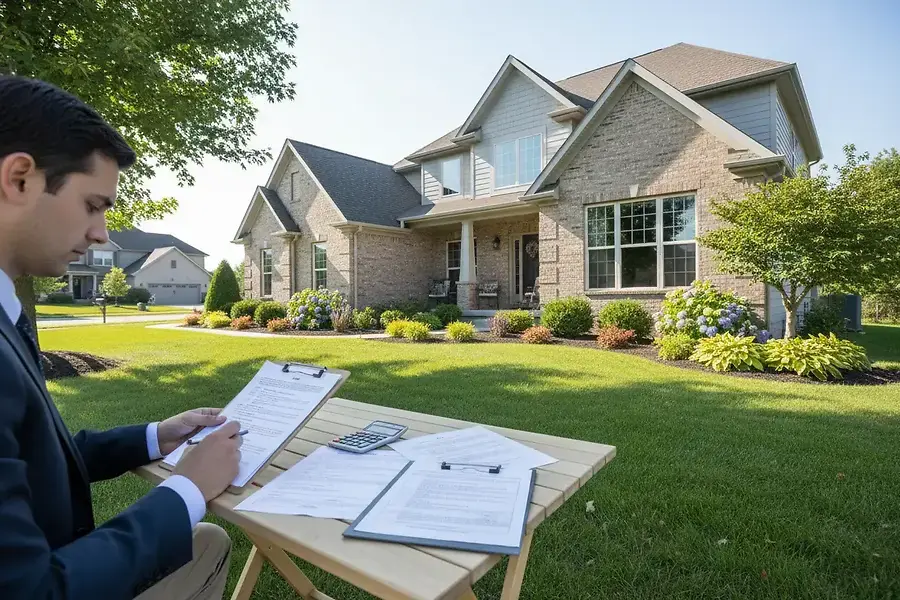
How Property Tax Assessments Work in Indiana
Property taxes form a significant portion of homeownership costs in Indiana, and understanding how assessments work is crucial for making informed financial decisions. The assessment process begins with the county assessor's office, which determines the assessed value of your property based on market conditions and comparable sales in your area.
In Indiana, property assessments are conducted on a four-year cycle, meaning your property is reassessed every four years. The assessed value is typically set at a percentage of the property's true market value. For residential properties, Indiana uses a 35% assessment rate, meaning your assessed value will be approximately 35% of what your home would sell for on the open market.
The Assessment Timeline
The assessment process follows a specific timeline that homeowners should understand:
- Year 1: Physical inspection and data collection by assessor's office
- Year 2: Preliminary assessment values released for review
- Year 3: Final assessments established and tax bills calculated
- Year 4: Property taxes collected based on the established assessment
Understanding this timeline helps you prepare for potential tax increases and plan your finances accordingly.
Property Tax Rates and Differences Across Shelbyville, Greenwood, and Indianapolis
While Indiana has a statewide assessment methodology, property tax rates vary significantly across different municipalities due to local tax levies and school district funding needs. This variation can substantially impact your annual tax bill depending on your location.
Indianapolis Property Tax Rates
As Indiana's largest city, Indianapolis has a diverse tax structure influenced by Marion County assessments and various local tax levies. Indianapolis typically experiences moderate property tax rates compared to surrounding areas, though rates can vary by neighborhood and school district. The city's tax base includes commercial and residential properties, which helps distribute the tax burden across a broader range of properties.
Greenwood Property Tax Rates
Greenwood, located in Johnson County, generally has competitive property tax rates that attract homebuyers seeking suburban living with reasonable tax obligations. The Johnson County assessor's office maintains consistent assessment practices, and Greenwood's growing residential market influences local tax rates. Greenwood often appeals to families due to its balance of amenities and tax efficiency.
Shelbyville Property Tax Rates
Shelbyville, situated in Shelby County, typically offers some of the most affordable property tax rates in Central Indiana. The smaller county's tax structure and local funding mechanisms result in lower overall tax burdens for homeowners. This affordability makes Shelbyville attractive for budget-conscious buyers and investors.
Tip: When comparing properties across these three areas, always factor in property tax rates as part of your total cost of ownership. A less expensive home in a high-tax area might cost more over time than a slightly pricier home in a lower-tax jurisdiction.
Strategies to Appeal or Reduce Your Property Tax Bill
If you believe your property assessment is inaccurate or unfairly high, Indiana law provides mechanisms to challenge the assessment and potentially reduce your tax burden.
Filing a Formal Appeal
The most direct way to address an inflated assessment is through the formal appeal process. You have the right to file a written appeal with your county assessor's office within 45 days of receiving your assessment notice. Your appeal should include documentation supporting your claim, such as:
- Recent appraisals from licensed appraisers
- Comparable sales data for similar properties in your area
- Documentation of property defects or needed repairs
- Evidence of market conditions affecting property values
Requesting a Property Reassessment
If you've made significant improvements or repairs to your property, you can request a reassessment to reflect the changes. Conversely, if your property has declined in value due to neighborhood changes or property damage, a reassessment may lower your tax burden. Document all improvements with receipts and before-and-after photographs.
Exploring Tax Credits and Exemptions
Indiana offers several tax relief programs for eligible homeowners:
- Homestead Property Tax Deduction: Available to owner-occupied residences, this deduction can significantly reduce your tax liability
- Senior Citizen Property Tax Deduction: Homeowners age 65 and older may qualify for additional relief
- Disability Exemptions: Certain disabilities qualify for property tax exemptions
- Veteran Exemptions: Disabled veterans may be eligible for exemptions
Contact your county assessor's office to determine which programs you qualify for and how to apply.
Budgeting for Property Taxes as a Homeowner in Central Indiana
Effective financial planning requires understanding and budgeting for property taxes as part of your overall homeownership costs.
Calculating Your Annual Tax Obligation
To estimate your property tax bill, multiply your assessed value by the applicable tax rate in your jurisdiction. For example, if your home's assessed value is $100,000 and your tax rate is 0.85%, your annual property tax would be $850. Remember that tax rates can change annually based on local funding needs.
Planning for Tax Increases
Property taxes typically increase over time due to reassessments and rising local funding needs. When budgeting, assume a modest annual increase of 2-3% to prepare for future tax bills. This conservative approach prevents financial surprises and allows you to adjust your budget proactively.
Escrow Accounts and Payment Options
If you have a mortgage, your lender likely requires you to maintain an escrow account for property taxes and insurance. Your monthly mortgage payment includes an escrow portion that covers these expenses. Understanding your escrow account helps you anticipate your total housing costs and plan accordingly.
For those paying property taxes directly, consider setting aside monthly amounts in a dedicated savings account to ensure funds are available when tax bills arrive. Most counties offer payment plans if you need flexibility in managing large tax bills.
Long-Term Financial Planning
When evaluating properties in Shelbyville, Greenwood, or Indianapolis, factor property taxes into your long-term financial projections. A home that seems affordable initially might become burdensome if property taxes increase significantly over time. Conversely, purchasing in a lower-tax area might provide substantial savings over a 15 or 30-year mortgage period.
By understanding property tax assessments, comparing rates across Central Indiana communities, and implementing strategies to manage your tax burden, you can make informed decisions that protect your financial interests and maximize your residential investment value.