Property Tax Guide for Cheshire, CT Homeowners: What You Need to Know
Learn how property tax assessments work and discover practical strategies to reduce your tax burden in Cheshire, Connecticut.

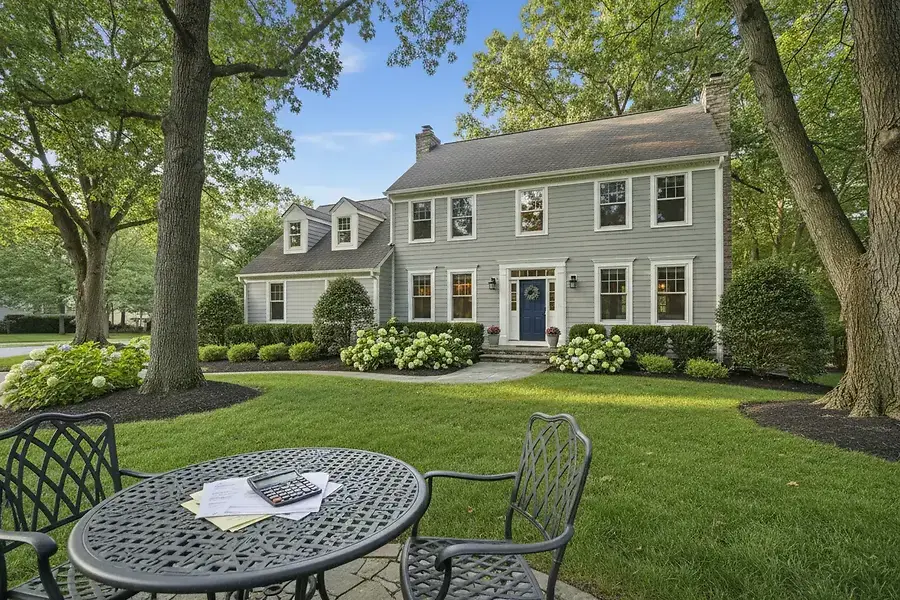
Why Property Taxes Matter to Your Investment
Property taxes represent one of the largest ongoing expenses for homeowners in Cheshire, Connecticut. Understanding how these taxes are calculated and what options are available to reduce your burden is crucial for protecting your investment and maximizing your home's financial benefits. Whether you're a first-time homebuyer or a long-time resident, navigating the complexities of property taxation can significantly impact your bottom line.
Your property tax bill directly affects your monthly mortgage payments, home equity growth, and overall financial planning. By taking the time to understand the assessment process and available exemptions, you can make informed decisions that could save you thousands of dollars over the life of your homeownership.
How Cheshire Property Tax Assessments Are Calculated
Understanding the Assessment Process
Cheshire's property tax assessments begin with the town assessor's office, which evaluates properties to determine their fair market value. This assessment serves as the foundation for calculating your annual tax bill. The process involves analyzing comparable sales, property characteristics, and market conditions to establish an equitable valuation for each property in town.
The assessment is typically conducted every few years, though properties may be reassessed more frequently if significant changes occur. During an assessment, evaluators consider factors such as:
- Property size and lot dimensions
- Building age and condition
- Square footage and number of rooms
- Recent renovations or improvements
- Comparable sales in your neighborhood
- Location and proximity to amenities
From Assessment to Tax Bill
Once your property's assessed value is determined, the town applies the mill rate—a tax rate expressed per thousand dollars of assessed value. For example, if your home is assessed at $300,000 and the mill rate is 25 mills, your annual property tax would be $7,500.
The mill rate is set by town officials based on the municipal budget and anticipated tax revenue. Understanding this calculation helps you see exactly how your assessment directly impacts your tax obligation.
Challenging Your Assessment
If you believe your property has been overvalued, you have the right to appeal your assessment. The appeal process typically involves submitting a formal complaint to the assessor's office within a specified timeframe. You may need to provide evidence such as recent appraisals, comparable sales data, or documentation of property defects that weren't considered in the original assessment.
Tax Reduction Strategies and Available Exemptions
Homestead Exemptions
Connecticut offers homestead exemptions that can reduce your assessed property value, thereby lowering your tax bill. Homeowners who occupy their property as a primary residence may qualify for this exemption, which provides a deduction from the assessed value. This is one of the most valuable tax-saving opportunities available to Cheshire homeowners.
Senior and Disabled Homeowner Exemptions
If you're a senior citizen or person with a disability, Cheshire may offer additional exemptions or tax relief programs. These programs recognize the financial challenges faced by fixed-income households and provide meaningful tax reductions. Eligibility requirements typically include age thresholds and income limits, so it's worth investigating whether you qualify.
Agricultural and Open Space Exemptions
Property owners with significant acreage used for agricultural purposes or preserved as open space may qualify for special exemptions. These programs encourage land conservation and support farming operations by offering reduced assessments on qualifying properties.
Energy Efficiency Improvements
Some municipalities offer tax incentives for homeowners who make energy-efficient upgrades. Installing solar panels, upgrading insulation, or replacing old HVAC systems may qualify you for tax credits or assessment reductions. Check with the town assessor's office about current incentive programs.
Practical Strategies to Reduce Your Tax Burden
Document Your Property Improvements: Keep detailed records of any renovations or repairs. If you've made improvements that don't increase market value—such as replacing a roof or updating plumbing—document these expenses for your appeal file.
Monitor Market Conditions: Stay informed about property values in your neighborhood. If comparable homes are selling for less than your assessed value, this provides strong evidence for an appeal.
Review Your Assessment Annually: Don't assume your assessment is accurate. Review your tax bill each year and compare your assessed value to recent sales of similar properties in Cheshire.
Consult with a Tax Professional: Real estate tax attorneys and assessors can provide valuable guidance on appealing assessments and identifying exemptions you may have missed. Their expertise often pays for itself through tax savings.
Attend Town Meetings: Participate in local government discussions about tax rates and budgets. Understanding how municipal decisions affect your tax bill empowers you to advocate for fair taxation policies.
Timeline for Tax Relief Applications
Most exemptions and appeals have specific filing deadlines. Mark your calendar and submit applications well before these dates to avoid missing opportunities for tax relief. The assessor's office can provide a complete schedule of important deadlines.
Maximizing Your Home's Financial Benefits
Understanding your property tax obligations is just one aspect of maximizing your home's financial benefits. By taking advantage of available exemptions, challenging unfair assessments, and staying informed about tax policies, you can significantly reduce your tax burden.
Remember: Your property tax bill is not set in stone. With knowledge, documentation, and persistence, you can work toward a fair assessment that reflects your home's true market value. Take action today to review your assessment, explore available exemptions, and implement strategies that protect your investment.
For more information about Cheshire's property tax programs and exemptions, contact the town assessor's office or visit the official town website. The investment of time in understanding these processes can yield substantial financial rewards for years to come.