Property Tax Planning Strategies for Chester, NY Homeowners
Learn how to calculate and budget for property taxes when buying or owning residential real estate in Chester.

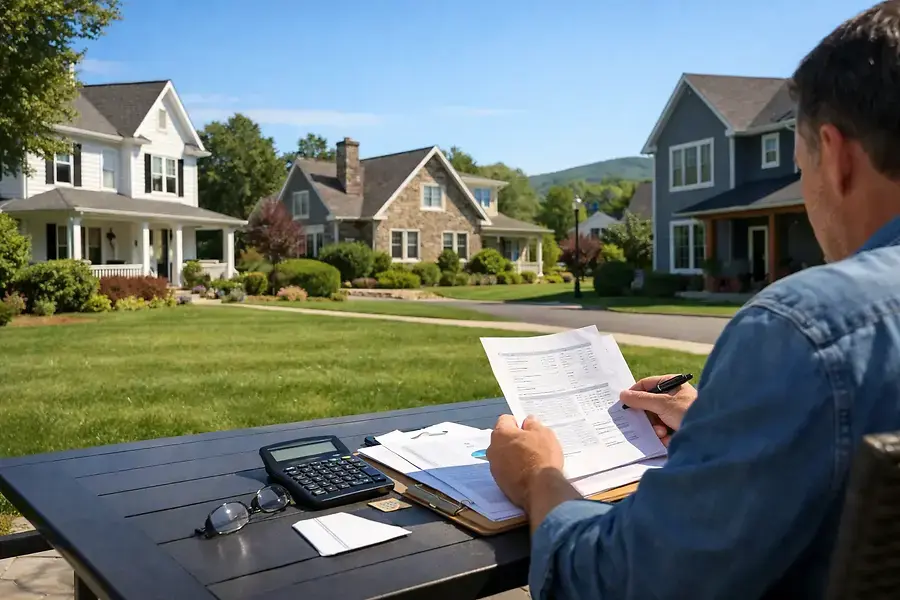
Introduction: Why Property Taxes Matter for Chester Homeowners
Property taxes represent one of the largest ongoing expenses for homeowners in Chester, NY. Unlike mortgage payments that eventually end, property taxes continue throughout your entire ownership of the home. Understanding how these taxes work and implementing effective planning strategies can save you thousands of dollars over your lifetime as a homeowner.
For many Chester residents, property taxes can account for a significant portion of their annual housing costs. This makes it essential to understand the assessment process, know your rights, and explore legitimate strategies to minimize your tax burden. Whether you're a first-time homebuyer or an experienced property owner, having a solid grasp of property tax planning can make a meaningful difference in your financial health.
How Chester, NY Property Tax Assessments Work
Understanding the Assessment Process
Property tax assessments in Chester begin with the local assessor's office determining the fair market value of your home. The assessor evaluates your property based on several factors, including:
- Property size and square footage - Larger homes typically have higher assessments
- Land value - The underlying lot size and location
- Building condition and age - Newer homes or well-maintained properties may be valued differently
- Recent comparable sales - Similar homes sold in your area
- Improvements and upgrades - Renovations and additions can increase assessed value
The Tax Rate Calculation
Once your property's assessed value is determined, the Chester tax rate is applied. The tax rate is set by the local government and expressed as a percentage of the assessed value. Your annual property tax bill equals your assessed value multiplied by the local tax rate.
Example: If your home is assessed at $300,000 and the local tax rate is 1.2%, your annual property tax would be $3,600.
Assessment Appeals and Reviews
It's important to know that property assessments are not permanent. If you believe your home has been overvalued, you have the right to appeal the assessment. Many Chester homeowners successfully reduce their tax burden by filing appeals when they can demonstrate that their property was assessed above fair market value.
Strategies to Reduce Your Annual Property Tax Burden
Challenge Your Assessment
One of the most effective ways to reduce property taxes is to challenge your assessment if you believe it's too high. Gather evidence such as:
- Recent appraisals showing lower property values
- Documentation of property damage or needed repairs
- Comparable sales data from similar homes in your neighborhood
- Photos showing your home's condition compared to recently sold properties
File your appeal during the designated period, which typically occurs annually. The process varies by municipality, so check with your local assessor's office for specific deadlines and procedures.
Explore Tax Exemptions and Credits
Chester, NY offers several tax exemptions and credits that qualified homeowners may be eligible for:
- Senior Citizen Exemptions - Homeowners age 65 and older may qualify for reduced assessments
- Disabled Persons Exemptions - Property owners with disabilities may receive tax relief
- Veterans Exemptions - Military veterans may be eligible for special tax considerations
- Agricultural Exemptions - If your property qualifies as agricultural land
Contact your local assessor's office to determine which exemptions apply to your situation and how to apply.
Make Strategic Home Improvements
While home improvements increase your property's value, be strategic about which upgrades you pursue. Not all improvements increase your assessed value equally. Some improvements, such as interior renovations or energy-efficient upgrades, may not trigger a reassessment. However, major additions like new rooms or structures will likely be assessed.
Plan your improvements carefully and discuss potential tax implications with your assessor before beginning major projects.
Consider Property Tax Deferral Programs
Some Chester homeowners may qualify for property tax deferral programs that allow you to postpone paying a portion of your taxes. These programs are typically available to seniors and disabled homeowners. The deferred taxes become due when the property is sold or transferred.
Budget and Plan Ahead
Effective financial planning means budgeting for property taxes as part of your overall housing costs. When purchasing a home, factor in the estimated annual property tax burden. This helps ensure you can comfortably afford homeownership and avoid financial surprises.
Pro tip: Set aside a portion of your monthly budget specifically for property taxes. This creates a dedicated fund and prevents the annual tax bill from straining your finances.
Conclusion: Planning Your Long-Term Financial Investment
Property tax planning is an essential component of responsible homeownership in Chester, NY. By understanding how assessments work, staying informed about available exemptions, and implementing strategic planning approaches, you can significantly reduce your tax burden over time.
Remember that property taxes are not fixed in stone. Regular reviews of your assessment, timely appeals when warranted, and exploration of available exemptions can all contribute to substantial savings. Additionally, consulting with a tax professional or real estate advisor familiar with Chester's specific tax landscape can provide personalized guidance for your situation.
Your home is likely one of your most significant financial investments. Taking the time to understand and optimize your property tax situation demonstrates financial wisdom and helps ensure that homeownership remains affordable and rewarding for years to come.