Property Tax Strategies for NJ and Florida Residential Investments
Learn how property tax rates in Ocean County, Middlesex County, and Palm Beach County affect your long-term investment returns and monthly housing costs.

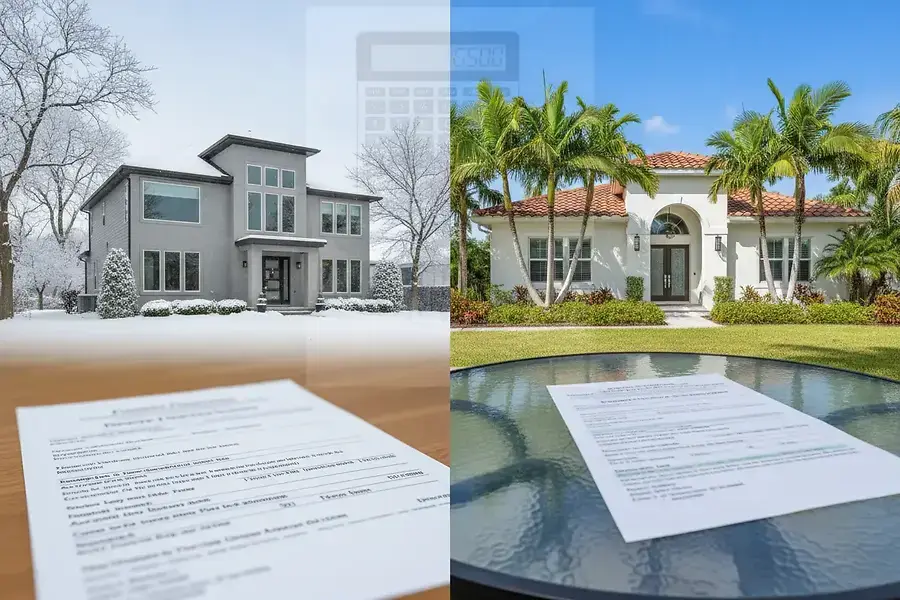
How Property Taxes Differ Between New Jersey and Florida Markets
Property taxes represent one of the most significant ongoing costs for residential real estate investors. While both New Jersey and Florida offer attractive investment opportunities, their tax structures differ dramatically, affecting your bottom line for decades to come. Understanding these differences is crucial for making informed investment decisions.
New Jersey consistently ranks among the highest property tax states in the nation, with homeowners paying substantial annual assessments. Florida, by contrast, has no state income tax and significantly lower property tax rates, making it an attractive alternative for investors seeking to minimize tax burden. However, the decision between these two markets requires deeper analysis than surface-level comparisons.
Breaking Down Tax Rates: Ocean County, Middlesex County, and Palm Beach County Compared
Ocean County, New Jersey
Ocean County represents a mixed market within New Jersey's tax landscape. The effective property tax rate in Ocean County typically ranges from 0.65% to 0.75% of assessed property value annually. For a residential property valued at $400,000, this translates to approximately $2,600 to $3,000 per year in property taxes.
- Average assessment ratio: 10% of market value
- Tax rate: Approximately 6.5-7.5% of assessed value
- Senior citizen exemptions available
- Homestead property tax deduction programs
Middlesex County, New Jersey
Middlesex County, home to major urban centers and suburban communities, carries higher property tax burdens than Ocean County. The effective property tax rate ranges from 0.80% to 0.95% of property value. A $400,000 property in Middlesex County could incur $3,200 to $3,800 annually in taxes.
- Higher assessment ratios due to urban development
- More comprehensive municipal services reflected in taxes
- Strong school systems increase property values but also taxes
- Limited exemptions compared to other counties
Palm Beach County, Florida
Palm Beach County offers a dramatically different tax environment. The effective property tax rate averages 0.85% to 0.95% of assessed property value, but the assessment methodology differs significantly from New Jersey. A $400,000 property typically incurs $3,400 to $3,800 annually in property taxes.
- No state income tax provides overall tax relief
- Homestead exemption reduces assessed value by $50,000
- Property assessed at market value annually
- Lower overall cost of living offsets property tax rates
Strategies to Minimize Tax Impact on Your Residential Investment
Leverage Homestead Exemptions
Florida's homestead exemption is a powerful tool for primary residence investors. This exemption reduces your assessed property value by $50,000, directly lowering your annual tax bill. For a $400,000 property, this exemption saves approximately $425 to $475 annually. New Jersey offers similar programs, but with varying benefits depending on your county and circumstances.
Consider Primary Residence vs. Investment Property Classification
Properties classified as primary residences receive preferential tax treatment in both states. If you plan to occupy the property, ensure you meet residency requirements to qualify for exemptions. Investment properties face higher tax rates and fewer deductions, making primary residence purchases more tax-efficient.
Time Your Purchase Strategically
Property tax assessments occur at different times throughout the year. In New Jersey, assessments typically occur annually, while Florida uses a January 1st assessment date. Understanding these timelines allows you to negotiate closing dates that minimize your first-year tax burden.
Explore Tax Appeal Opportunities
Both states allow property owners to challenge assessments. If you believe your property is over-assessed, filing an appeal can reduce your tax liability. Hiring a tax professional to review your assessment often pays for itself through successful appeals.
Invest in Energy-Efficient Improvements
Some jurisdictions offer tax credits for energy-efficient upgrades. Solar installations, high-efficiency HVAC systems, and insulation improvements may qualify for tax incentives in both New Jersey and Florida, reducing your effective tax rate.
Making an Informed Decision Based on Total Cost of Ownership
Calculate Your True Investment Costs
Property taxes represent only one component of total ownership costs. Consider these additional factors when comparing markets:
- Insurance costs: Florida properties may face higher homeowners insurance due to hurricane risk
- Maintenance and repairs: Climate differences affect maintenance frequency and costs
- HOA fees: Many Florida communities charge significant HOA fees
- State income tax: Florida's lack of income tax provides substantial savings for high earners
- Appreciation potential: Market dynamics affect long-term returns regardless of taxes
Project Long-Term Returns
A property purchased for $400,000 in Ocean County with 3% annual appreciation and $2,800 annual property taxes will have different long-term returns than an identical property in Palm Beach County. Over 20 years, property tax differences compound significantly. However, if the Florida property appreciates faster due to market demand, it may still outperform the New Jersey investment.
Evaluate Your Personal Circumstances
Your investment decision should align with your financial situation and goals. High-income earners benefit significantly from Florida's lack of state income tax. Investors seeking rental income should analyze rental rates in each market relative to property costs. First-time homebuyers may benefit from New Jersey's stronger school systems and established communities.
Consult with Tax and Real Estate Professionals
Working with a certified tax advisor and experienced real estate agent in your target market ensures you understand all implications of your investment decision. These professionals can identify opportunities specific to your situation and help you structure your purchase for maximum tax efficiency.
Property tax strategies require careful analysis of your specific circumstances, investment timeline, and financial goals. While Florida's lower property tax rates and lack of state income tax appeal to many investors, New Jersey markets offer strong appreciation potential and established communities. By understanding the tax implications in Ocean County, Middlesex County, and Palm Beach County, you can make an informed decision that maximizes your long-term investment returns and aligns with your wealth-building objectives.