Property Taxes and Home Assessments in Amherst, Ohio Explained
Learn how residential property taxes are calculated and discover strategies to manage your tax burden effectively.

Introduction: Why Property Taxes Matter for Homeowners
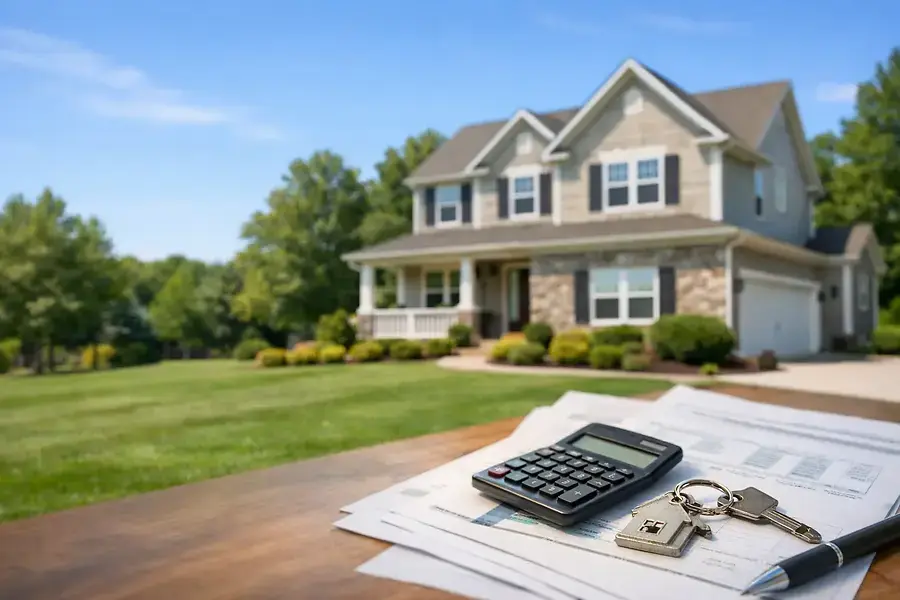
Property taxes are one of the largest ongoing expenses for homeowners, and understanding how they work is crucial for managing your finances effectively. In Amherst, Ohio, residential property taxes fund essential services including schools, fire departments, police protection, and local infrastructure. For many homeowners, property taxes represent a significant portion of their annual housing costs, making it important to understand how assessments are calculated and what options exist to manage this burden.
How Amherst's Property Tax System and Assessments Work
The Assessment Process
In Amherst, the Lorain County Auditor's office is responsible for assessing residential properties. The assessment process begins with a physical inspection of your property, where trained assessors evaluate its characteristics, condition, and features. This assessment determines the assessed value, which serves as the foundation for calculating your property taxes.
Tax Rate Calculation
Once your property is assessed, the tax rate is applied to determine your annual tax bill. The tax rate in Amherst is expressed in mills per $1,000 of assessed value. Local government entities—including the school district, city, and county—each set their own millage rates, which are combined to create your total tax rate. Your final property tax bill is calculated by multiplying your assessed value by the combined millage rate.
Homestead Exemptions and Tax Relief
Ohio offers several tax relief programs for homeowners. The Homestead Property Tax Exemption allows eligible homeowners to exempt a portion of their home's assessed value from taxation. Additionally, the Homestead Exemption provides a reduction in the assessed value for owner-occupied residential properties, which can result in significant tax savings for qualifying homeowners.
Factors That Influence Your Residential Tax Assessment
Property Size and Location
The size of your lot and the square footage of your home are primary factors in determining assessed value. Properties in desirable neighborhoods or with premium locations typically receive higher assessments. Proximity to schools, parks, and commercial areas can also influence your property's assessed value.
Home Condition and Improvements
The overall condition of your home significantly impacts its assessment. Recent renovations, updated systems, and modern amenities increase assessed value. Conversely, deferred maintenance or outdated features may result in lower assessments. Major improvements such as new roofs, HVAC systems, or room additions are typically reflected in updated assessments.
Comparable Sales and Market Trends
Assessors use comparable sales analysis to determine property values. They examine recent sales of similar properties in your area to establish fair market value. When property values in your neighborhood increase due to market demand, your assessment may increase accordingly. Understanding local real estate trends can help you anticipate potential assessment changes.
Special Assessments and Improvements
Special assessments may be levied for specific improvements such as street repairs, sewer upgrades, or water line installations. These assessments are separate from regular property taxes and are typically charged to properties that directly benefit from the improvements.
Proven Strategies for Managing and Reducing Property Tax Costs
File a Formal Complaint or Appeal
If you believe your property has been overassessed, you have the right to file a formal complaint with the Lorain County Board of Revision. This process typically occurs during a specific filing period and requires documentation supporting your claim. Common grounds for appeal include:
- Assessment errors or calculation mistakes
- Comparable properties with lower assessments
- Property condition issues not reflected in the assessment
- Recent appraisals showing lower values
Maintain Detailed Property Records
Keep comprehensive records of your property's condition, improvements, and maintenance. Documentation including photographs, receipts for repairs, and professional appraisals can strengthen your case if you decide to appeal your assessment. This evidence demonstrates the actual condition and value of your home.
Explore Tax Relief Programs
Research all available tax relief programs in Ohio and Amherst. Beyond the Homestead Exemption, programs may exist for seniors, disabled veterans, or low-income homeowners. Contact the Lorain County Auditor's office to determine your eligibility for these programs.
Monitor Assessment Changes
Stay informed about your property's assessed value by reviewing your assessment notice annually. Significant increases warrant investigation and potential appeals. Many assessments are updated every few years, so tracking changes helps you plan your finances and identify discrepancies early.
Work with a Tax Professional
Consider consulting with a property tax consultant or attorney experienced in assessment appeals. These professionals understand the nuances of Ohio's tax system and can effectively represent your interests during the appeal process. Their expertise often results in successful reductions that offset their fees.
Conclusion: Making Informed Decisions About Your Investment
Property taxes are a permanent part of homeownership, but understanding how they're calculated empowers you to make informed decisions and take action when appropriate. In Amherst, Ohio, homeowners have multiple avenues to manage their tax burden, from exploring exemptions and relief programs to filing formal appeals when assessments seem inaccurate.
By staying informed about your property's assessment, maintaining detailed records, and understanding the factors that influence your taxes, you can protect your investment and optimize your financial situation. Whether you're a new homeowner or a long-time resident, taking time to understand Amherst's property tax system is an investment in your financial future.
Remember: Your property tax bill is not fixed in stone. If you believe your assessment is unfair, you have the right to challenge it. Don't hesitate to explore your options and advocate for a fair valuation of your home.


