Property Taxes and Homestead Exemptions in North Texas Markets
Learn how property tax rates, exemptions, and appeals work across McKinney, Plano, Dallas, Allen, Frisco, and Prosper.

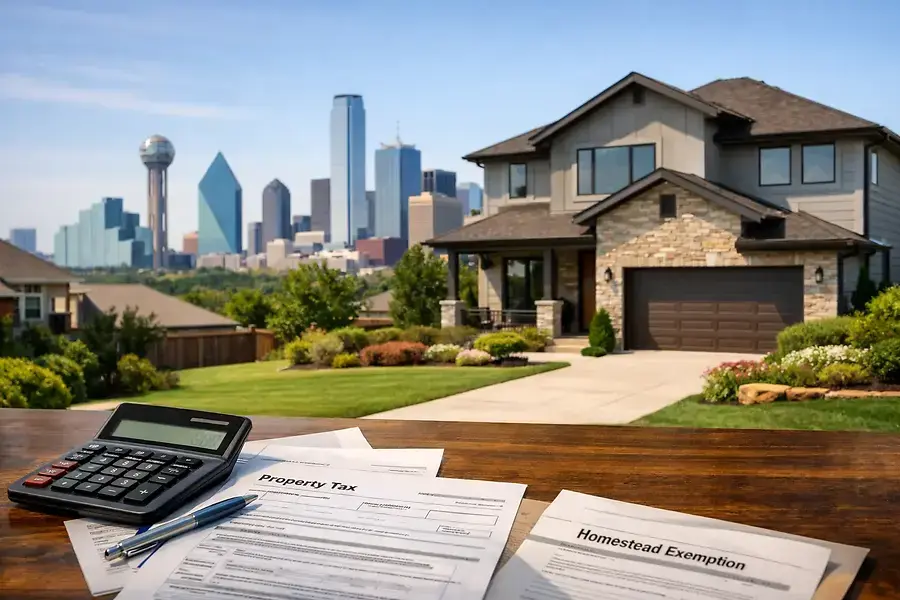
Why Property Taxes Matter for North Texas Homeowners
Property taxes are one of the largest ongoing expenses for homeowners in North Texas. Unlike mortgage payments that eventually end, property taxes continue for as long as you own your home. Understanding how these taxes work—and how they vary across different cities—can save you thousands of dollars over time.
North Texas has experienced significant growth over the past decade, with cities like Frisco, Allen, and Prosper becoming increasingly popular destinations for families and professionals. This rapid development has created diverse tax landscapes across the region. Whether you're buying your first home or relocating within North Texas, knowing the tax implications in McKinney, Plano, Dallas, Allen, Frisco, and Prosper is essential for making informed financial decisions.
Property Tax Rates and How They Differ Across McKinney, Plano, Dallas, Allen, Frisco, and Prosper
Understanding the Basics
Property taxes in Texas are calculated by multiplying your home's appraised value by the combined tax rate of all taxing entities that serve your property. These entities include school districts, cities, counties, and special districts. The combined rate varies significantly across North Texas communities.
City-by-City Breakdown
McKinney: As the county seat of Collin County, McKinney typically has moderate tax rates. The McKinney Independent School District is highly rated, which contributes to property values and tax assessments. Combined rates generally fall in the mid-range for the region.
Plano: Plano boasts excellent schools and strong economic development, resulting in competitive property values. Tax rates here are comparable to McKinney, though specific rates depend on which school district serves your property—Plano ISD or Frisco ISD.
Dallas: As the largest city in the region, Dallas has more varied tax rates depending on neighborhood and school district. Some areas fall under Dallas ISD, while others may be served by other districts. Overall, Dallas rates tend to be slightly higher than suburban communities.
Allen: Allen has experienced explosive growth and features highly-rated schools. This desirability has driven up property values and tax rates, making Allen one of the higher-tax areas in North Texas.
Frisco: Known for exceptional schools and family-friendly amenities, Frisco commands premium property values. Combined tax rates here are among the highest in the region, reflecting the district's educational reputation and community investments.
Prosper: As a rapidly developing community, Prosper offers relatively competitive tax rates compared to more established suburbs. The Prosper ISD is expanding to meet growth demands, and rates remain attractive for new homebuyers.
Tax Exemptions, Homestead Benefits, and Strategies to Lower Your Tax Bill
Homestead Exemptions
Texas offers homeowners one of the most valuable tax benefits in the nation: the homestead exemption. This exemption reduces the taxable value of your primary residence, directly lowering your property tax bill.
- Primary Residence Requirement: You must own and occupy the home as your principal residence to qualify
- Application Process: File for exemption with your local appraisal district, typically before the deadline each year
- Tax Savings: The exemption typically reduces your taxable value by $25,000 or more, translating to significant annual savings
Additional Exemptions and Benefits
Over-65 Exemptions: Homeowners age 65 and older may qualify for additional exemptions that freeze their tax values at current levels, protecting against future increases.
Disability Exemptions: Disabled homeowners may also qualify for special exemptions and tax relief programs.
Agricultural Exemptions: If your property qualifies as agricultural land, you may receive significant tax reductions.
Strategies to Lower Your Tax Bill
File for Homestead Exemption: This is the most straightforward way to reduce taxes. If you haven't already applied, contact your local appraisal district immediately.
Challenge Your Appraisal: If you believe your home's appraised value is too high, you have the right to protest. Many homeowners successfully reduce their tax bills through the appraisal appeal process. You can request a formal hearing with the appraisal review board.
Review Your Tax Bill for Errors: Check your property tax statement for mistakes in property description, square footage, or other details that might inflate your valuation.
Consider Tax-Advantaged Locations: When buying, compare combined tax rates across different cities. A home in Prosper might have lower taxes than the same home in Frisco, offsetting other cost differences.
Consult a Tax Professional: Real estate tax consultants can identify exemptions you might have missed and represent you in appraisal appeals.
"Understanding your property tax obligations and available exemptions is one of the smartest investments you can make as a homeowner. The money you save can be reinvested in your home or community."
Using Tax Knowledge to Make Smarter Real Estate Decisions
Property taxes should be a key factor in your real estate decisions. When comparing homes across North Texas, calculate the total cost of ownership—not just the purchase price. A less expensive home in a higher-tax area might cost more over time than a pricier home in a lower-tax community.
Research school districts carefully, as they represent the largest portion of property taxes. Excellent schools justify higher taxes for many families, but it's important to understand what you're paying for.
Stay informed about local tax trends. Rapidly growing areas like Frisco and Allen may see increasing tax rates as infrastructure demands grow. Conversely, established communities might have more stable tax environments.
Finally, take advantage of every exemption and benefit available to you. The homestead exemption alone can save thousands annually, and many homeowners leave money on the table by not pursuing appraisal appeals or other available programs.
By understanding property taxes and exemptions across McKinney, Plano, Dallas, Allen, Frisco, and Prosper, you'll be better equipped to make real estate decisions that align with your financial goals and lifestyle preferences.


