Property Taxes and Your Lewisville Home: A Complete Investment Guide
Learn how local tax rates affect your home value and discover strategies to maximize your investment returns.

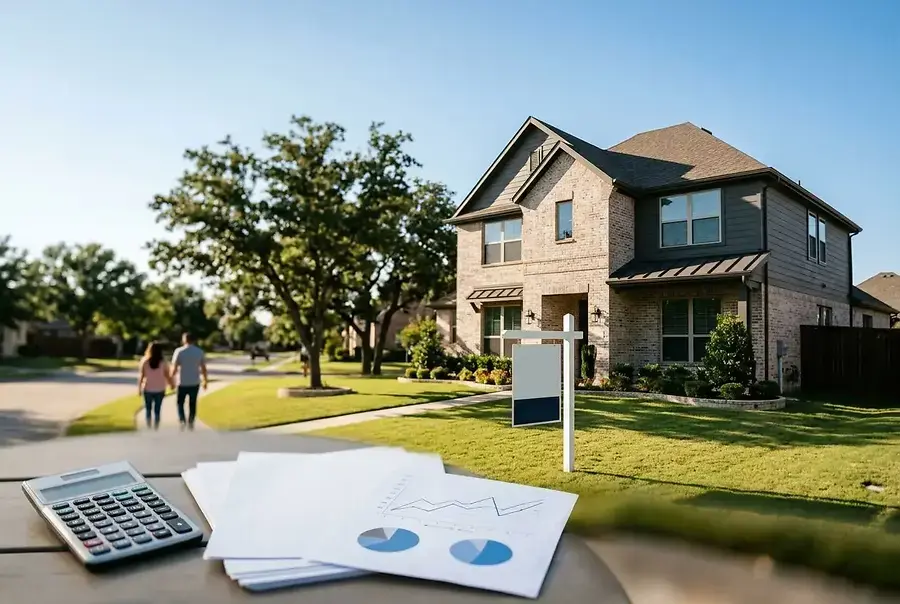
Why Property Taxes Matter for Lewisville Homeowners
Property taxes represent one of the largest ongoing expenses for homeowners in Lewisville, yet many residents don't fully understand how these taxes work or their impact on long-term investment returns. Unlike mortgage payments that eventually end, property taxes continue indefinitely, making them a critical factor in your home's true cost of ownership.
For Lewisville homeowners, property taxes directly influence your home's net value, affect your monthly housing budget, and can significantly impact your decision to buy, sell, or refinance. Understanding this complex system isn't just about saving money—it's about making strategic decisions that protect and grow your wealth through real estate investment.
The Real Impact on Your Investment
When you purchase a home in Lewisville, you're not just buying a place to live; you're making a financial investment. Property taxes reduce your return on investment and can affect your home's marketability. A property with lower tax obligations becomes more attractive to potential buyers, potentially increasing its resale value.
Understanding Lewisville's Property Tax Structure and Rates
How Lewisville Property Taxes Are Calculated
Lewisville property taxes are calculated using a straightforward formula: assessed home value × tax rate = annual property tax. However, understanding each component is essential for homeowners seeking to optimize their tax situation.
- Assessed Value: The Denton County Appraisal District determines your home's assessed value, which may differ from your purchase price or market value. This assessment is based on comparable properties and recent sales in your area.
- Tax Rate: Lewisville's tax rate combines rates from multiple entities including the city, school district, county, and special districts. The combined rate determines your final tax obligation.
- Exemptions and Homestead Benefits: Texas offers homestead exemptions that can reduce your assessed value by up to 20%, providing significant tax relief for primary residences.
Current Tax Rate Environment
Lewisville's property tax rates have remained competitive compared to surrounding areas, though rates can fluctuate based on local government budgets and bond initiatives. School district funding represents the largest portion of most property tax bills, typically accounting for 40-50% of your total tax obligation.
Understanding your tax bill breakdown helps you identify which entities are responsible for your taxes and where potential savings might exist.
The Appraisal Process and Your Rights
The Denton County Appraisal District reassesses properties regularly to ensure fair market valuations. If you believe your home's assessed value is too high, you have the right to protest the appraisal. Many homeowners successfully reduce their tax burden by challenging inflated assessments, particularly during market downturns or if their property has defects.
Strategies to Minimize Your Annual Tax Burden and Protect Equity
Maximize Available Exemptions
Texas provides several exemptions that Lewisville homeowners should utilize:
- Homestead Exemption: Reduces your home's assessed value, lowering your tax bill significantly. This is the most valuable exemption for primary residences.
- Over-65 Exemption: Seniors may qualify for additional exemptions and tax deferrals.
- Disability Exemptions: Disabled homeowners and disabled veterans may qualify for special exemptions.
- Agricultural Exemptions: If your property qualifies as agricultural land, you may receive substantial tax reductions.
Challenge Your Property Appraisal
If your home's assessed value seems excessive, file a protest with the Denton County Appraisal District. Gather comparable sales data, document any property defects, and present a compelling case. Many homeowners reduce their taxes by 10-20% through successful appraisal protests. The process is free and relatively straightforward, making it one of the most effective tax-saving strategies available.
Consider Your Refinancing Impact
When refinancing your mortgage, be aware that lenders often trigger new appraisals, which could result in higher assessed values. If you're refinancing, consult with your lender about appraisal timing and consider whether the refinancing benefits outweigh potential tax increases.
Plan for Tax Increases
Property taxes typically increase 3-5% annually in Lewisville due to property value appreciation and bond initiatives. Budget for these increases when planning your long-term finances. Setting aside funds in a dedicated account helps you manage this predictable expense without financial stress.
Leverage Tax-Advantaged Strategies
Homestead Exemption Transfers: If you're over 65 or disabled, you may be able to transfer your exemption to a new primary residence, protecting your tax benefits when you move.
Property Tax Deferral Programs: Seniors and disabled homeowners may defer property taxes, paying them from their estate after the property is sold or transferred.
Tax-Loss Harvesting: If your home has declined in value, document this for appraisal protest purposes to reduce your tax burden.
Work with Local Professionals
Real estate tax consultants and appraisal protest specialists in Lewisville can identify savings opportunities you might miss. While their services cost money, the tax savings often exceed their fees, particularly for higher-value properties. Many offer free initial consultations to assess your situation.
Making Informed Decisions About Your Home Investment
Your Lewisville home represents your largest financial asset, and property taxes significantly impact its true cost of ownership. By understanding how taxes are calculated, maximizing available exemptions, and actively managing your appraisal, you can protect your equity and improve your investment returns.
The key to successful homeownership in Lewisville is staying informed and proactive. Review your property tax bill annually, understand what you're paying for, and don't hesitate to challenge assessments or explore exemptions you may qualify for. These actions, taken consistently over time, can save you thousands of dollars while strengthening your financial position.
Remember that property taxes are just one component of homeownership costs. When evaluating your Lewisville home as an investment, consider the complete picture: mortgage costs, maintenance expenses, insurance, and taxes. With proper planning and strategy, your Lewisville home can continue to be both a wonderful place to live and a sound financial investment for years to come.