Property Taxes and Your Residential Investment: What You Need to Know
Learn how property taxes affect your long-term homeownership costs and strategies to minimize your annual tax burden.

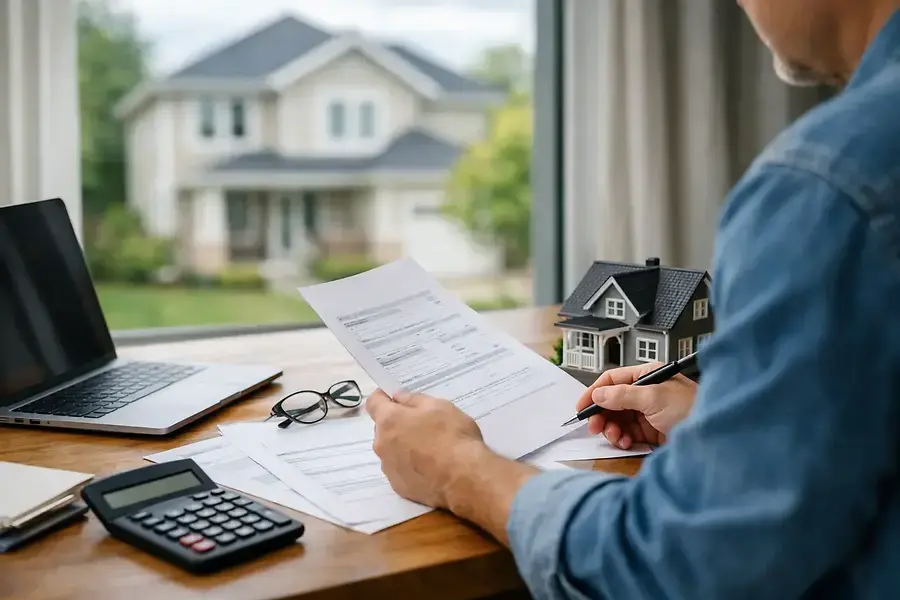
The Hidden Cost of Homeownership
When you purchase a home, most people focus on the mortgage payment, but there's another significant expense that often catches homeowners off guard: property taxes. Unlike your mortgage, which eventually disappears, property taxes are a recurring annual obligation that can substantially impact your long-term homeownership costs. Understanding how these taxes work and what you can do to manage them is essential for making informed decisions about your residential investment.
Property taxes fund essential community services including schools, roads, emergency services, and local infrastructure. While these are valuable services, the tax burden can vary dramatically depending on your location and property value. For many homeowners, property taxes represent the second-largest housing expense after the mortgage payment itself.
How Property Taxes Are Calculated and What Factors Affect Your Bill
The Basic Calculation
Property taxes are calculated using a straightforward formula: Assessed Value × Tax Rate = Property Tax Bill. However, understanding each component of this equation is crucial for homeowners.
The assessed value is determined by your local assessor's office and represents the estimated market value of your property. This assessment typically occurs every few years, though some jurisdictions reassess annually. The tax rate, often called the millage rate, is set by your local government and varies significantly by location.
Key Factors That Affect Your Property Tax Bill
- Property Location: Taxes vary dramatically by state, county, and even neighborhood. Some states have property tax rates exceeding 2% of home value annually, while others are below 0.5%.
- Home Value: As your property appreciates, your assessed value typically increases, leading to higher taxes. A $50,000 increase in home value could mean hundreds of dollars in additional annual taxes.
- Local Services and Schools: Areas with highly-rated schools and extensive services typically have higher property tax rates to fund these amenities.
- Property Improvements: Adding a deck, pool, or renovating your kitchen can increase your assessed value and subsequently your tax bill.
- Tax Exemptions: Some properties qualify for exemptions based on age, disability, veteran status, or agricultural use.
Understanding Your Assessment
Your local assessor's office determines your property's assessed value through various methods, including comparable sales analysis, cost approach, and income approach. It's important to review your assessment notice carefully. If you believe your property has been overvalued, you have the right to appeal the assessment in most jurisdictions.
Proven Strategies to Reduce Your Property Tax Liability
Challenge Your Assessment
One of the most effective ways to reduce your property tax bill is to appeal your property assessment if you believe it's inaccurate. Many homeowners never challenge their assessments, leaving money on the table. You can appeal by:
- Gathering comparable sales data for similar properties in your area
- Documenting any property defects or needed repairs
- Submitting evidence of recent appraisals that differ from the assessed value
- Filing your appeal within the designated timeframe (usually 30-60 days after receiving your assessment)
Explore Available Exemptions and Deductions
Many homeowners are unaware of exemptions they may qualify for. Common exemptions include:
- Homestead Exemptions: Available in many states, these reduce the assessed value for your primary residence.
- Senior Citizen Exemptions: Reduced rates for homeowners over a certain age.
- Disability Exemptions: Tax relief for disabled homeowners and veterans.
- Agricultural Exemptions: For properties used for farming or agricultural purposes.
Contact your local assessor's office to determine which exemptions apply to your situation.
Make Strategic Property Improvements
While improvements increase your home's value, be strategic about which upgrades you pursue. Not all improvements increase assessed value equally. Cosmetic updates like painting or landscaping may not trigger a reassessment, while structural additions like rooms or pools typically will. Consider the long-term return on investment before making major improvements.
Monitor Your Property's Market Value
Stay informed about your local real estate market. If property values in your area are declining, you may be able to appeal your assessment based on decreased market conditions. Conversely, if your home's market value has decreased significantly due to neighborhood changes or property conditions, this provides strong grounds for an appeal.
Consider Your Location Carefully
When purchasing a home, factor property taxes into your decision. A home that appears affordable based on mortgage payments alone may become expensive when you factor in high property taxes. Compare tax rates across different neighborhoods and communities before making your purchase decision.
Work with a Property Tax Professional
For significant properties or complex situations, hiring a property tax consultant or attorney may be worthwhile. These professionals understand local tax codes and can identify opportunities for tax reduction that you might miss. Their fees are often offset by the tax savings they generate.
Making Informed Decisions About Your Residential Investment
Property taxes are a permanent part of homeownership, but they don't have to be a burden you simply accept. By understanding how they're calculated and actively exploring reduction strategies, you can significantly lower your annual tax liability.
Key takeaways for managing your property tax burden:
- Review your property assessment annually and challenge it if inaccurate
- Research available exemptions and deductions for your situation
- Factor property taxes into your home purchase decision
- Stay informed about your local real estate market
- Consider professional assistance for complex tax situations
Your residential investment is likely one of the largest financial decisions you'll make. Taking time to understand and manage your property tax obligations ensures you're maximizing your investment's long-term value. With proactive planning and knowledge, you can reduce your tax burden and keep more money in your pocket for years to come.


