Property Taxes Explained: Essential Knowledge for Smart Homeowners
Learn how property taxes affect your home's true cost and discover strategies to manage this essential expense.

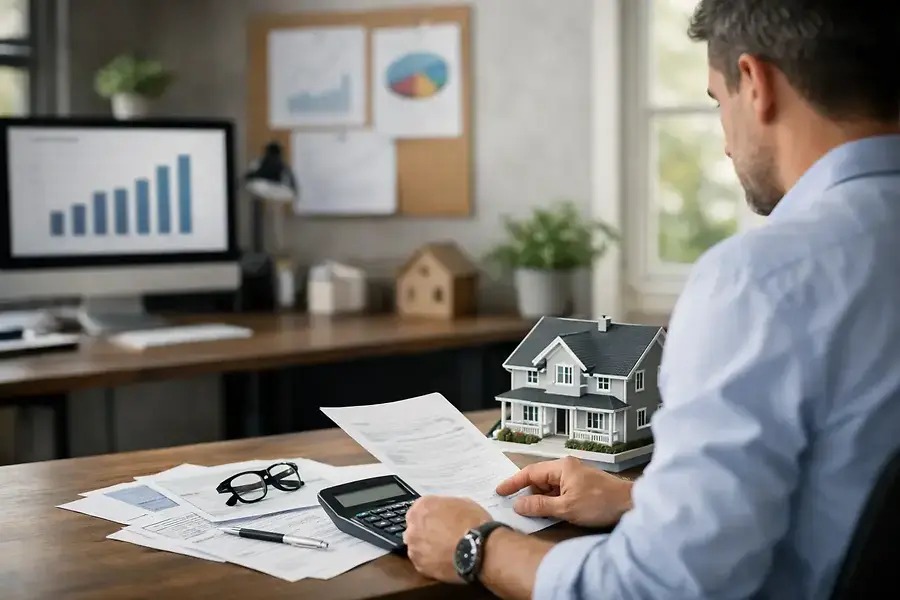
Introduction: The Often-Overlooked Cost of Homeownership
When most people think about the cost of owning a home, they focus on the mortgage payment, insurance, and maintenance. However, there's another significant expense that often catches homeowners off guard: property taxes. For many homeowners, property taxes represent one of the largest annual expenses they'll face, yet it remains one of the most misunderstood aspects of homeownership.
Property taxes are a critical component of your total housing costs, and understanding how they work can help you make smarter financial decisions. Whether you're a first-time homebuyer or a seasoned property owner, gaining clarity on this essential expense can save you thousands of dollars over the life of your homeownership journey.
How Property Taxes Are Calculated and What Influences Your Bill
Understanding the Basics
Property taxes are calculated using a straightforward formula: Assessed Property Value × Tax Rate = Property Tax Bill. However, the details behind each component can be complex and vary significantly depending on your location.
The Assessment Process
Your local assessor's office determines the assessed value of your property, which is typically a percentage of the property's market value. This assessment is not always equal to what you paid for your home or its current market value. Assessors consider several factors when determining your property's value:
- The size and condition of your home
- The age and construction quality of the structure
- Recent sales of comparable properties in your area
- Land value and lot size
- Improvements and renovations you've made
- Local market trends and economic conditions
Tax Rates and Local Variations
Property tax rates vary dramatically from state to state and even between counties and municipalities. Some areas have tax rates as low as 0.3% of assessed value, while others exceed 2% or more. These rates are set by local governments to fund essential services such as schools, roads, police departments, and fire services.
It's crucial to understand your local tax rate, as it directly impacts your annual tax bill. When comparing homes in different areas, always factor in property tax differences—they can represent substantial variations in your true cost of homeownership.
Additional Factors That Influence Your Bill
Beyond the basic calculation, several other factors can affect your property tax bill:
- Homestead Exemptions: Many states offer exemptions that reduce the assessed value for primary residences
- Senior or Disability Exemptions: Special tax breaks for qualifying homeowners
- Agricultural or Conservation Status: Reduced rates for properties with special designations
- Recent Renovations: Improvements may trigger reassessments and higher taxes
- Special Assessments: Additional taxes for local improvements like new roads or utilities
Strategies to Lower Your Property Tax Burden
Challenge Your Assessment
One of the most effective ways to reduce your property taxes is to challenge your property assessment. If you believe your home has been overvalued, you have the right to appeal. Here's how to get started:
- Request a copy of your assessment from your local assessor's office
- Research comparable properties in your neighborhood that sold recently
- Document any issues with your property that might reduce its value (structural problems, outdated systems, etc.)
- File a formal appeal during the designated appeal period
- Present your evidence at a hearing if necessary
Pro Tip: Many homeowners successfully reduce their taxes through appeals, sometimes saving hundreds or thousands of dollars annually. The process is often free or low-cost, making it a worthwhile investment of your time.
Take Advantage of Available Exemptions
Don't leave money on the table by failing to claim exemptions you're eligible for. Common exemptions include:
- Homestead exemptions for primary residences
- Senior citizen exemptions (typically age 65+)
- Disability exemptions
- Veteran exemptions
- Agricultural exemptions for farming properties
Contact your local assessor's office to determine which exemptions apply to your situation and ensure you're claiming them all.
Make Strategic Home Improvements
While major renovations can increase your property's assessed value, some improvements may qualify for tax credits or exemptions. Before undertaking significant upgrades, research whether your state or locality offers tax incentives for:
- Energy-efficient upgrades (solar panels, insulation, HVAC systems)
- Historic preservation improvements
- Environmental conservation measures
Monitor Your Property's Market Value
Stay informed about your home's market value and local real estate trends. If property values in your area decline, your assessment should follow. If it doesn't, you may have grounds for an appeal. Regular monitoring helps you catch assessment errors before they cost you money.
Consider Your Location Carefully
When buying a home, property taxes should be a significant factor in your decision. A home that seems affordable based on its purchase price might become burdensome when you factor in high property taxes. Always compare the total cost of homeownership across different areas before making your purchase decision.
Conclusion: Taking Control of Your Property Tax Future
Property taxes are a permanent part of homeownership, but they don't have to be a mystery or an unmanageable burden. By understanding how your taxes are calculated and taking proactive steps to reduce your bill, you can significantly impact your long-term financial health as a homeowner.
Remember these key takeaways:
- Property taxes are calculated by multiplying your assessed property value by the local tax rate
- Your assessment can be challenged if you believe it's inaccurate
- Numerous exemptions and deductions may be available to you
- Staying informed about your property's value and local tax policies is essential
- Property taxes should factor heavily into your home-buying decisions
Take control of your property tax future today. Review your assessment, explore available exemptions, and don't hesitate to appeal if you believe your taxes are too high. With knowledge and action, you can manage this essential expense and keep more of your hard-earned money where it belongs—in your pocket.


