Property Taxes Explained: What Rochester Homeowners Need to Know Today
Discover how property tax assessments work and what you can realistically expect to pay on your Rochester home.

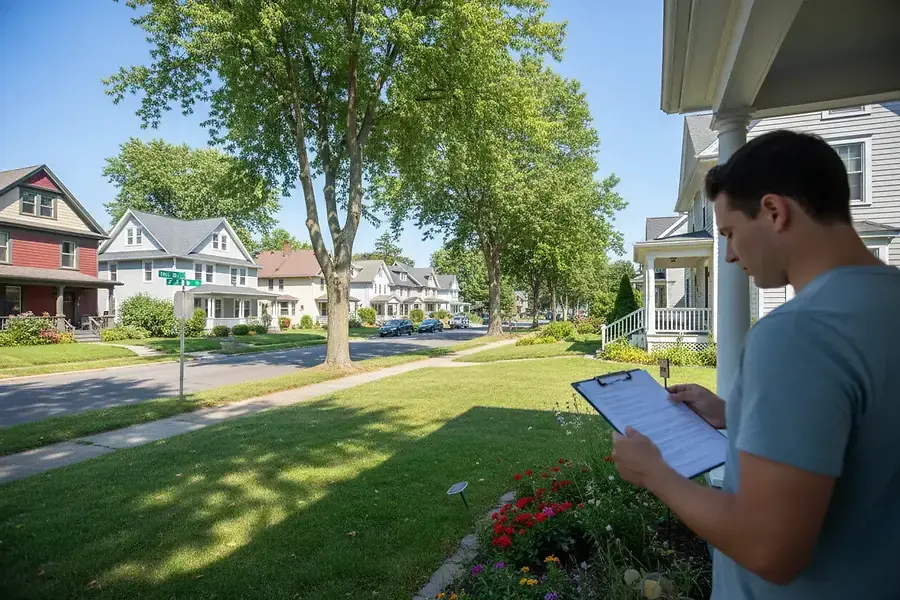
Why Property Taxes Matter for Rochester Homeowners
Property taxes are one of the largest ongoing expenses for homeowners in Rochester, yet many residents don't fully understand how they're calculated or what they're funding. Whether you're a first-time buyer or a long-time resident, understanding your property tax obligations is essential for effective financial planning. Property taxes fund critical community services including schools, emergency services, infrastructure maintenance, and local government operations that directly impact your neighborhood's quality of life.
Unlike mortgage payments that eventually end, property taxes are a permanent responsibility of homeownership. They typically increase over time, making it crucial to understand the system now rather than facing surprises later. By learning how Rochester's property tax system works, you can better anticipate costs, identify potential savings, and make informed decisions about your real estate investments.
How Rochester's Property Tax System Works and Assessment Process
Understanding the Assessment Foundation
Rochester's property tax system begins with a professional assessment of your home's value. The local assessor's office determines the assessed value of your property, which serves as the foundation for calculating your annual tax bill. This assessed value is typically a percentage of your home's market value, not the full market price. The assessment process involves evaluating your property's characteristics, including square footage, age, condition, lot size, and comparable sales in your area.
The Tax Rate and Calculation
Once your property is assessed, the tax rate is applied to determine your final bill. Rochester uses a millage rate system, where taxes are calculated per $1,000 of assessed value. For example, if your home is assessed at $200,000 and the millage rate is 25 mills, your annual property tax would be $5,000. The millage rate varies by location within Rochester and can include separate rates for school districts, county services, and municipal services.
Assessment Review and Appeals
Rochester homeowners have the right to review their property assessment and appeal if they believe it's inaccurate. The assessment review process typically occurs annually, and you can request a reassessment if you believe your home has been overvalued. Common reasons for appeals include recent major repairs, market value decreases, or assessment errors. Filing an appeal is relatively straightforward and can result in significant tax savings if successful.
Factors That Affect Your Home's Tax Assessment and Payment Amount
Property Characteristics and Improvements
Several physical characteristics of your home influence its assessed value and resulting tax bill. These include:
- Square footage and lot size: Larger homes and properties typically have higher assessments
- Age and condition: Newer homes or recently renovated properties may receive higher assessments
- Number of bedrooms and bathrooms: Additional rooms increase property value
- Structural improvements: Additions, decks, pools, and other upgrades can increase your assessment
- Energy efficiency features: Some jurisdictions offer assessment reductions for green upgrades
Location and Market Conditions
Your property's location within Rochester significantly impacts its assessed value. Homes in desirable neighborhoods with good schools, proximity to amenities, and low crime rates typically have higher assessments. Market conditions also play a role—during periods of rising home values, assessments tend to increase, while declining markets may result in lower assessments. The assessor uses recent comparable sales in your neighborhood to help determine fair market value.
Exemptions and Special Considerations
Rochester offers several exemptions that can reduce your property tax burden. Homestead exemptions are available to primary residents and can provide substantial savings. Senior citizens, veterans, and disabled homeowners may qualify for additional exemptions. Some properties used for agricultural purposes or charitable organizations may also receive exemptions. It's important to research what exemptions you might qualify for and ensure you've applied for them.
Recent Renovations and Additions
Home improvements can increase your property's assessed value, which means higher property taxes. Before undertaking major renovations, consider the long-term tax implications. While improvements enhance your home's value and quality of life, they will likely result in a higher assessment and increased annual tax bills. Some improvements, such as energy-efficient upgrades, may qualify for tax credits or exemptions that offset the assessment increase.
Planning Your Budget as a Rochester Homeowner
Estimating Your Annual Property Tax Bill
To estimate your property tax bill, you'll need three key pieces of information: your home's assessed value, the applicable millage rate, and any exemptions you qualify for. You can find this information through the Rochester assessor's office website or by contacting them directly. Once you have these figures, multiply your assessed value by the millage rate (divided by 1,000) and subtract any exemptions. This calculation will give you a reasonable estimate of your annual tax obligation.
Budgeting for Tax Increases
Property taxes in Rochester, like most communities, tend to increase over time due to inflation, rising home values, and increased municipal costs. When budgeting for homeownership, plan for annual increases of 2-4% unless you have specific knowledge of upcoming assessment changes. If you have an escrow account with your mortgage lender, your monthly payment may automatically adjust to account for tax increases, so monitor your statements for changes.
Taking Action to Reduce Your Tax Burden
Several strategies can help reduce your property tax burden. File for available exemptions if you qualify as a senior, veteran, or disabled homeowner. Appeal your assessment if you believe it's too high—many successful appeals result in meaningful savings. Maintain your property to prevent unnecessary assessment increases, and stay informed about local tax policy changes that might affect your bill. Additionally, consider consulting with a tax professional who specializes in property taxes for personalized advice.
Understanding Your Tax Bill Statement
When you receive your property tax bill, take time to review it carefully. Your statement should clearly show your assessed value, the millage rate applied, any exemptions, and your total tax due. If anything seems unclear or incorrect, contact the assessor's office immediately. Understanding each component of your bill empowers you to identify errors and make informed decisions about potential appeals or exemptions.
Property taxes are a significant part of homeownership in Rochester, but they don't have to be a mystery. By understanding how assessments work, what factors influence your bill, and what options are available to you, you can take control of this major expense and plan your finances more effectively. Stay proactive, review your assessments regularly, and don't hesitate to appeal if you believe your property has been overvalued. With knowledge and planning, you can manage your property tax obligations confidently.


