Property Taxes for Chesapeake Homeowners: What You Need to Know
Learn how residential property taxes are calculated and what to budget for as a homeowner in Chesapeake, VA.

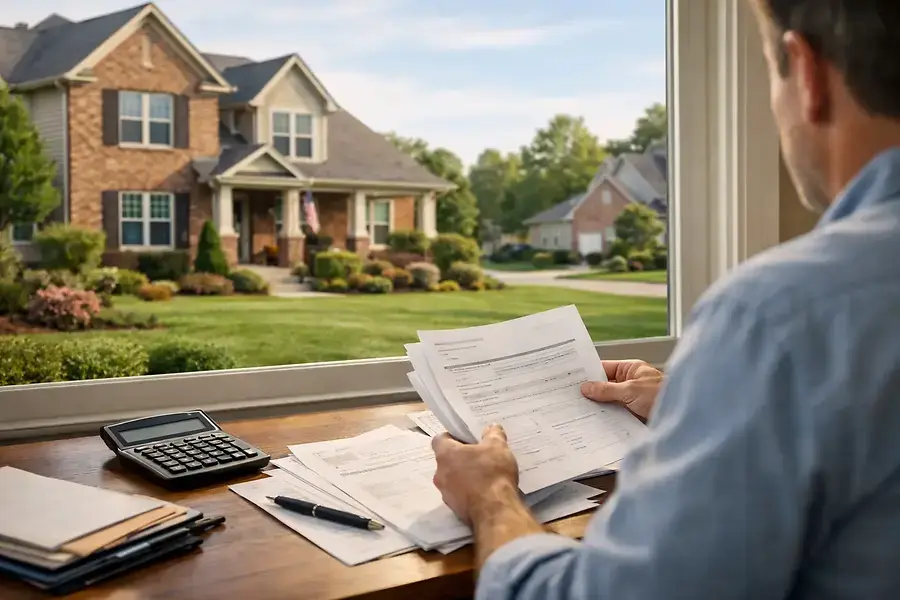
Why Property Taxes Matter for Chesapeake Homeowners
Property taxes are one of the largest ongoing expenses for homeowners in Chesapeake, Virginia. Unlike mortgage payments that eventually end, property taxes continue for as long as you own your home. Understanding how these taxes are calculated and what influences your annual bill is crucial for effective financial planning.
For many Chesapeake residents, property taxes fund essential services including public schools, emergency services, road maintenance, and local infrastructure. By grasping the fundamentals of how your tax bill is determined, you can better budget for this significant expense and potentially identify opportunities to reduce your burden.
How Chesapeake's Property Tax Assessment System Works
The Assessment Process
Chesapeake's property tax system begins with a professional assessment of your home's value. The city's assessor's office evaluates residential properties to determine their fair market value, which serves as the foundation for calculating your tax bill. This assessment considers several factors:
- Property location and neighborhood characteristics
- Home size and square footage
- Age and condition of the structure
- Recent comparable sales in your area
- Lot size and land value
- Special features and improvements
Assessment Frequency and Appeals
Chesapeake conducts property assessments on a regular cycle to ensure valuations remain current and accurate. If you believe your home has been overvalued, you have the right to appeal the assessment. The appeal process typically involves submitting documentation such as recent appraisals, repair estimates, or comparable property sales to support your case.
It's important to review your assessment notice carefully when it arrives. If you disagree with the valuation, don't hesitate to file an appeal within the designated timeframe—many homeowners successfully reduce their assessments through this process.
Typical Tax Rates and What Influences Your Annual Bill
Understanding the Tax Rate Structure
Chesapeake applies a property tax rate to the assessed value of your home to calculate your annual bill. The tax rate is expressed as a percentage or per $100 of assessed value. For example, if your home is assessed at $300,000 and the tax rate is $0.85 per $100 of value, your annual tax bill would be approximately $2,550.
The actual rate you pay depends on several factors:
- City budget needs and spending priorities
- School system funding requirements
- Local bond obligations and debt service
- State and federal funding levels
- Overall property tax base in the city
Homestead Property Tax Exemption
Virginia offers a Homestead Property Tax Exemption that can provide significant savings for eligible homeowners. This exemption allows you to exclude a portion of your home's assessed value from taxation, effectively reducing your tax bill. To qualify, you must:
- Own and occupy the property as your primary residence
- Have owned the property for at least two years
- Meet income requirements (which vary by locality)
- Be at least 65 years old, disabled, or a surviving spouse of a qualifying individual
If you meet these criteria, the exemption can reduce your taxable assessed value by thousands of dollars annually, resulting in substantial tax savings.
Other Tax Considerations
Several other factors may influence your property tax bill in Chesapeake:
- Home improvements and renovations may trigger a reassessment and increase your tax liability
- Agricultural use exemptions are available for qualifying properties
- Historic property tax credits may apply to homes in designated historic districts
- Solar energy equipment exemptions can reduce taxes on homes with solar installations
Additionally, if you've made significant improvements to your property, the assessor may conduct a reassessment. It's wise to keep records of improvements and their costs in case you need to appeal a reassessment.
Payment Options and Deadlines
Chesapeake typically allows property owners to pay taxes in two installments throughout the year. Missing payment deadlines can result in penalties and interest charges, so mark your calendar and set reminders for payment due dates. Many homeowners find it helpful to set aside funds monthly to ensure they have sufficient funds when payments are due.
Planning Your Budget as a Homeowner in Chesapeake
Effective budgeting for property taxes requires understanding your specific situation and staying informed about potential changes. Here are practical steps to help you plan:
- Review your assessment notice annually and compare it to recent property sales in your neighborhood
- Research available exemptions and credits you may qualify for
- Plan for potential increases in tax rates due to city budget needs
- Set aside funds monthly to avoid financial strain when bills are due
- Keep detailed records of home improvements and maintenance
- Stay informed about local tax policy changes through city council meetings and announcements
Property taxes are a significant responsibility of homeownership, but with proper understanding and planning, you can manage this expense effectively. By familiarizing yourself with Chesapeake's assessment system, knowing your tax rate, and exploring available exemptions, you'll be better equipped to make informed financial decisions about your home.
Don't hesitate to contact the Chesapeake Assessor's Office with questions about your specific property or to discuss your assessment. They can provide personalized guidance and help clarify any aspects of the property tax process. Taking an active role in understanding your taxes today will pay dividends in your long-term financial planning as a Chesapeake homeowner.


