Property Taxes for Clive, Iowa Homeowners: What You Need to Know
Learn how property taxes are calculated and what to budget for as a homeowner in this growing Des Moines suburb.

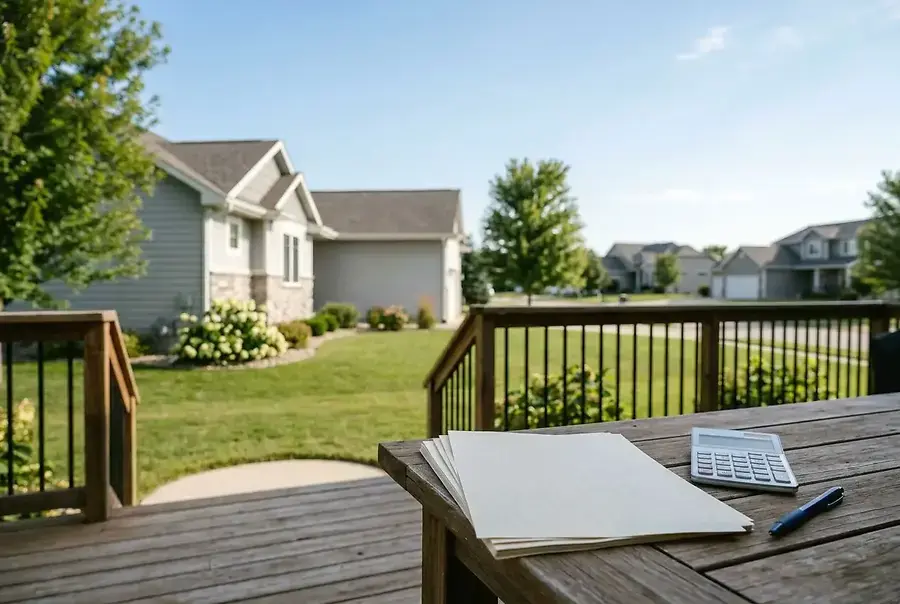
Introduction: Why Property Taxes Matter for Clive Homeowners
If you own a home in Clive, Iowa, property taxes are likely one of your largest annual expenses. As a growing suburb of Des Moines, Clive has experienced significant residential development, attracting families and professionals seeking a vibrant community with excellent schools and amenities. However, with homeownership comes the responsibility of understanding and budgeting for property taxes—a crucial financial obligation that many new homeowners overlook.
Property taxes fund essential services that make Clive an attractive place to live, including public schools, infrastructure maintenance, emergency services, and community development. Understanding how these taxes are calculated and what rates you can expect will help you make informed financial decisions and avoid surprises when tax bills arrive.
How Property Taxes Are Calculated in Clive and Iowa
The Assessment Process
Property taxes in Clive begin with a property assessment conducted by the Polk County Assessor's office. This assessment determines the fair market value of your home, which serves as the foundation for tax calculations. Assessors evaluate factors such as:
- Square footage and lot size
- Age and condition of the structure
- Recent comparable sales in the area
- Improvements and upgrades to the property
- Location and neighborhood characteristics
Assessments are typically updated annually, though significant changes in property value may be reflected in the following year's tax bill. If you believe your assessment is inaccurate, you have the right to appeal through Polk County's formal process.
The Tax Rate Formula
Once your property is assessed, the actual tax owed is calculated using a straightforward formula:
Property Tax = Assessed Value × Tax Rate
In Iowa, the tax rate is expressed as a percentage of assessed value. However, Iowa uses a unique system where residential properties are assessed at a lower percentage of their actual market value compared to commercial properties. This means your assessed value is typically lower than what you paid for your home, providing some tax relief for residential homeowners.
Understanding Millage Rates
Clive property taxes are also influenced by millage rates, which represent the tax rate per $1,000 of assessed value. The total millage rate combines contributions from multiple entities:
- City of Clive – municipal services and infrastructure
- Clive Community School District – education and school operations
- Polk County – county services and administration
- Special districts – drainage, fire protection, or other specialized services
Each entity sets its own millage rate based on budget needs, and these rates are combined to determine your total property tax obligation.
Typical Tax Rates and What You Can Expect to Pay
Current Tax Rates in Clive
Clive homeowners can expect to pay property taxes at rates that are competitive with other Des Moines suburbs. While rates fluctuate based on community budget decisions, typical effective tax rates in Clive range from 0.8% to 1.2% of assessed value. This means on a home assessed at $300,000, you might pay between $2,400 and $3,600 annually in property taxes.
It's important to note that Iowa offers homestead property tax exemptions and credits for eligible homeowners, which can significantly reduce your tax burden. These programs are designed to provide relief for primary residences and may apply to your situation.
Budgeting for Your Property Tax Bill
To estimate your annual property tax expense, follow these steps:
- Obtain your property's assessed value from the Polk County Assessor's website
- Determine the current millage rate for your property (available through the city or county)
- Multiply assessed value by the millage rate to calculate your estimated tax
- Research available exemptions and credits you may qualify for
- Set aside funds monthly to avoid a large bill surprise
Many homeowners find it helpful to divide their annual property tax bill by 12 and set aside that amount each month. If you have a mortgage, your lender may require you to pay taxes through an escrow account, where funds are held and disbursed automatically when taxes are due.
Factors That May Increase Your Taxes
Several circumstances can cause your property taxes to increase:
- Home improvements – renovations and additions increase assessed value
- Rising community budgets – increased millage rates for schools or city services
- Market appreciation – significant increases in neighborhood property values
- Loss of exemptions – if you no longer qualify for tax relief programs
Staying informed about these factors helps you anticipate changes and adjust your budget accordingly.
Conclusion: Planning Your Budget as a Clive Homeowner
Property taxes are a permanent part of homeownership in Clive, but understanding how they're calculated empowers you to budget effectively and make informed financial decisions. By familiarizing yourself with the assessment process, tax rate formulas, and available exemptions, you can take control of this significant expense.
As Clive continues to grow and develop, property values and tax rates may change. Stay connected with the City of Clive and Polk County resources to remain informed about any updates that might affect your taxes. Consider consulting with a tax professional or financial advisor if you have specific questions about your situation or want to explore additional tax-saving strategies.
With proper planning and knowledge, you can confidently manage your property tax obligations and enjoy the benefits of living in this thriving Des Moines suburb.


