Property Taxes for Spencer, MA Homeowners: What You Need to Know
Learn how property taxes are calculated and discover strategies to minimize your tax burden as a Spencer resident.

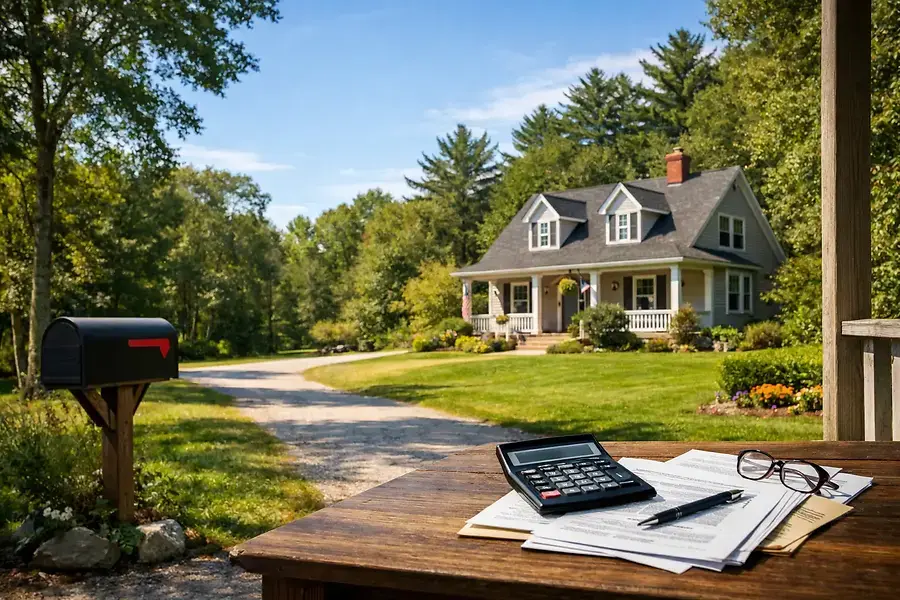
Introduction: Why Property Taxes Matter for Spencer Homeowners
Property taxes are one of the largest expenses homeowners face, and for Spencer residents, understanding how these taxes work is essential to managing your household budget effectively. Unlike income taxes that vary based on earnings, property taxes are based on the assessed value of your home and the local tax rate. For many homeowners, property taxes represent a significant annual obligation that can impact long-term financial planning.
Whether you're a new homeowner in Spencer or have lived here for years, knowing how to navigate the property tax system can help you make informed decisions and potentially save thousands of dollars. This guide will walk you through the fundamentals of property taxation in Massachusetts and provide actionable strategies to minimize your tax burden.
How Property Taxes Are Calculated in Massachusetts
Understanding the Assessment Process
In Massachusetts, property taxes are calculated using a straightforward formula: Assessed Value × Tax Rate = Property Tax Bill. However, the assessed value of your property is not necessarily its market value. The town assessor determines the assessed value, which is typically a percentage of the property's fair market value.
The assessment process begins with a physical inspection of your property. Assessors evaluate factors such as:
- Square footage and lot size
- Age and condition of the structure
- Number of bedrooms and bathrooms
- Recent renovations or improvements
- Comparable sales in the area
The Tax Rate Calculation
Once the assessed value is determined, the town applies a tax rate to calculate your annual bill. The tax rate is expressed as a dollar amount per $1,000 of assessed value. For example, if your home is assessed at $300,000 and the tax rate is $12 per $1,000 of assessed value, your annual property tax would be $3,600.
The tax rate is set by the town and is based on the total budget needs divided by the total assessed property values in Spencer. This means the rate can fluctuate year to year depending on municipal spending and property assessments.
Spencer's Current Tax Rates and Assessment Process
Local Tax Rates and Trends
Spencer, like many Massachusetts communities, uses a classification system that may apply different tax rates to residential, commercial, and industrial properties. Most homeowners in Spencer fall into the residential classification, which typically has a lower tax rate than commercial properties.
The town conducts regular assessments to ensure property values remain current and equitable. If you believe your property has been overassessed, you have the right to appeal the assessment through the Board of Assessors. This process typically involves submitting a formal appeal with supporting documentation of comparable properties or recent appraisals.
Important Dates and Deadlines
Property tax bills in Spencer are typically issued twice per year, with payments due on specific dates. It's crucial to mark these dates on your calendar to avoid late fees and penalties. If you miss a payment deadline, interest accrues on the unpaid balance, increasing your overall tax burden.
Pro tip: Set up automatic payments or calendar reminders to ensure you never miss a deadline. Many homeowners find it helpful to set aside funds monthly to cover their semi-annual tax bills.
Strategies to Minimize Your Tax Burden
Take Advantage of Exemptions and Abatements
Massachusetts offers several exemptions that may reduce your property tax bill. Common exemptions include:
- Homestead Exemption: Reduces the assessed value of your primary residence
- Elderly Exemption: Available to homeowners age 65 and older who meet income requirements
- Veteran Exemption: Provides relief for qualifying veterans
- Disability Exemption: Available to homeowners with disabilities
To qualify for these exemptions, you must apply through the Board of Assessors in Spencer. Each exemption has specific eligibility requirements, so contact your local assessor's office to determine which programs you may qualify for.
Appeal Your Assessment
If you believe your property has been overvalued, you can file an appeal with the Board of Assessors. This process is relatively straightforward and doesn't require hiring an attorney. Gather evidence such as recent appraisals, comparable property sales, or documentation of property defects that may affect value.
The appeal deadline is typically within a specific timeframe after your tax bill is issued, so act quickly if you believe an error has been made. A successful appeal can result in a lower assessed value and reduced tax bills for years to come.
Invest in Energy-Efficient Improvements
Some Massachusetts municipalities offer tax credits or exemptions for energy-efficient home improvements. Installing solar panels, upgrading insulation, or replacing windows with energy-efficient models may qualify you for tax benefits. Check with Spencer's assessor's office to learn about any available incentives for green home improvements.
Consider Your Home's Classification
If your property includes both residential and commercial components, ensure it's classified correctly. Misclassification can result in overpaying taxes. Review your tax bill carefully and contact the assessor if you believe your property's classification is incorrect.
Stay Informed About Municipal Budgets
Property tax rates are directly tied to municipal spending. By attending town meetings and staying informed about budget discussions, you can understand what drives tax increases and potentially advocate for fiscally responsible spending in Spencer.
Conclusion
Property taxes are a significant responsibility for Spencer homeowners, but understanding how they're calculated and knowing your options can help you manage this expense effectively. Take time to review your assessment, explore available exemptions, and consider filing an appeal if you believe your property has been overvalued.
By staying proactive and informed, you can minimize your tax burden and keep more of your hard-earned money. Don't hesitate to reach out to Spencer's Board of Assessors with questions—they're there to help you understand the system and ensure you're paying a fair share. With the right strategies in place, you can navigate the property tax landscape with confidence and peace of mind.