Property Taxes in Parma, Akron, and Cleveland: A Complete Guide
Master the essentials of residential property tax assessments and discover proven strategies to minimize your tax liability across Ohio's major markets.

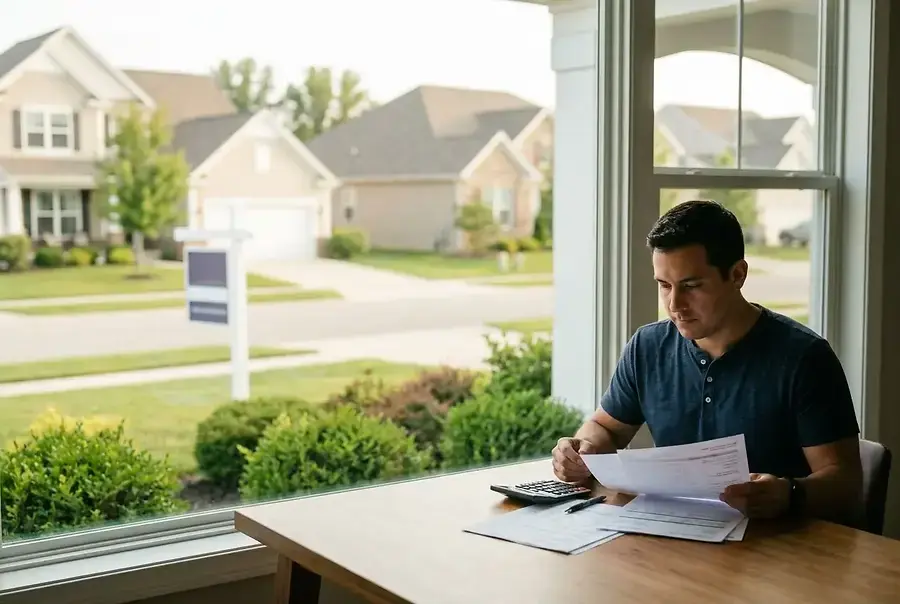
Understanding Property Tax Fundamentals for Ohio Homeowners
Property taxes represent one of the largest ongoing expenses for homeowners across Ohio. Whether you own a home in Parma, Akron, or Cleveland, understanding how property taxes work is essential for making informed financial decisions about your real estate investment. Property taxes fund critical local services including schools, fire departments, police protection, and infrastructure maintenance.
In Ohio, property taxes are calculated based on the assessed value of your property multiplied by the effective tax rate in your jurisdiction. The assessed value is typically a percentage of the property's true value, and this percentage varies by county. Understanding these fundamentals will help you anticipate your annual tax obligations and identify opportunities for savings.
How Property Assessments Work
County auditors in Ohio are responsible for assessing property values every six years. During this assessment cycle, your property may be revalued based on recent sales of comparable properties in your area, property improvements, or market conditions. Homeowners have the right to appeal their assessments if they believe the valuation is inaccurate or unfair.
Property Tax Rates and Assessment Methods in Parma, Akron, and Cleveland
Parma Property Tax Overview
Parma, located in Cuyahoga County, has a residential property tax rate that reflects the needs of its school district and local government services. The city benefits from a diverse tax base and established infrastructure. Property assessments in Parma typically follow Cuyahoga County's assessment schedule, with values reassessed periodically to reflect market conditions.
- Cuyahoga County assessment ratio: 35% of true value
- Parma's effective tax rate varies by school district and special districts
- Homestead exemptions may reduce assessed values for primary residences
Akron Property Tax Overview
Akron, situated in Summit County, operates under a different assessment framework than Cuyahoga County. Summit County uses its own assessment methodology and tax rate structure. Akron homeowners should be aware that their property tax burden may differ significantly from neighboring counties due to local funding needs and economic factors.
- Summit County assessment ratio: 35% of true value
- Akron school district funding influences overall tax rates
- Commercial and industrial properties may have different assessment considerations
Cleveland Property Tax Overview
Cleveland, also in Cuyahoga County like Parma, shares similar assessment methodologies but may have different effective tax rates due to local school district needs and municipal services. Cleveland's diverse neighborhoods may experience varying property values and tax implications.
- Cuyahoga County assessment ratio: 35% of true value
- Cleveland's tax rates reflect urban infrastructure and school funding
- Historic property designations may offer tax incentives
Proven Strategies to Reduce Your Property Tax Burden and Maximize Equity
File a Property Tax Appeal
If you believe your property has been assessed too high, you have the right to file an appeal with your county auditor's office. This is one of the most effective ways to reduce your tax burden. Gather comparable sales data from your neighborhood, document any property defects, and present a compelling case for reassessment. Many homeowners successfully reduce their assessments by 5-15% through the appeal process.
Apply for Homestead Exemptions
Ohio offers homestead exemptions that can significantly reduce the assessed value of your primary residence. Eligible homeowners may exempt up to $25,000 of their home's value from taxation. This exemption is particularly valuable for seniors and disabled homeowners, who may qualify for additional relief programs.
Explore Tax Credit Programs
Both Cuyahoga and Summit counties offer various tax credit programs for homeowners meeting specific criteria. These may include:
- Senior citizen tax exemptions
- Disability-related property tax relief
- Historic property tax credits
- Energy efficiency improvement incentives
Make Strategic Home Improvements
While home improvements increase property value, certain upgrades may not trigger immediate assessment increases. Focus on improvements that enhance livability without dramatically increasing assessed value. Consult with your county auditor about which improvements require reassessment and plan accordingly.
Monitor Assessment Cycles
Understanding when your property will be reassessed allows you to plan ahead. If a reassessment is scheduled, document any property issues or defects that might justify a lower valuation. Keep detailed records of maintenance costs and property conditions to support potential appeals.
Consider Professional Assessment Review
Real estate professionals and tax consultants can provide valuable insights into your property's assessment. They can identify comparable properties, analyze market trends, and help you build a strong case for appeal if warranted. The cost of professional assistance often pays for itself through successful tax reductions.
Making Smart Tax-Conscious Decisions for Your Home Investment
Property taxes are a permanent feature of homeownership in Ohio, but they don't have to drain your finances. By understanding how assessments work in Parma, Akron, and Cleveland, you can make informed decisions about your real estate investments.
Key takeaways for smart tax planning:
- Review your assessment notice carefully and understand how your property value was determined
- Don't hesitate to appeal if you believe your assessment is unfair
- Take advantage of all available exemptions and credits for which you qualify
- Stay informed about local tax rate changes and assessment cycles
- Factor property taxes into your long-term homeownership budget
Your home is likely your most significant investment. By taking an active role in understanding and managing your property tax obligations, you protect your equity and ensure your investment remains financially sound. Whether you're a longtime homeowner or new to Ohio's real estate market, these strategies can help you minimize your tax burden and maximize the value of your home investment.


