Property Taxes in Roseville, CA: A Complete Guide for Homeowners
Understand how Roseville's property tax system works and what you should budget for your home investment.

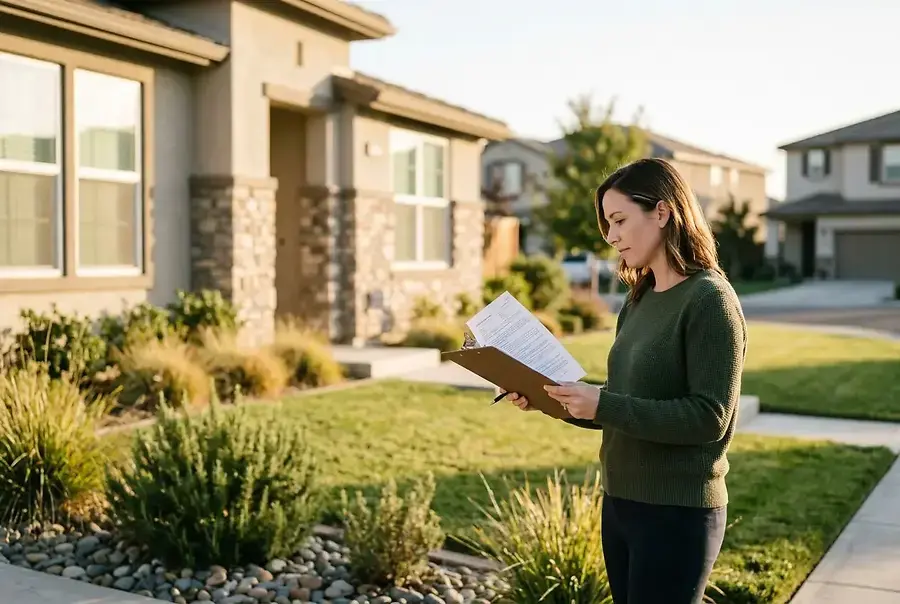
Understanding Roseville's Property Tax Rates and Assessment Process
Property taxes are a significant part of homeownership costs in Roseville, California. Understanding how these taxes are calculated and assessed is essential for any homeowner or prospective buyer. Roseville's property tax system is based on the assessed value of your home, which is determined by the Placer County Assessor's Office.
How Property Tax Rates Are Determined
In Roseville, the property tax rate is approximately 0.76% of your home's assessed value, though this can vary slightly depending on local bonds and special assessments. This rate is applied to your property's assessed value to determine your annual tax bill. For example, if your home is assessed at $500,000, you could expect to pay around $3,800 in annual property taxes.
The tax rate includes contributions to several entities:
- Roseville City Schools
- Placer County
- City of Roseville
- Special districts and local bonds
The Assessment Process
The Placer County Assessor's Office conducts property assessments to determine your home's value for tax purposes. Properties are typically reassessed when they change ownership, which is when the assessed value is updated to reflect the current market value. Between sales, properties receive annual adjustments based on inflation, capped at 2% per year under Proposition 13.
Homeowners have the right to appeal their property assessment if they believe it's inaccurate. The appeal process involves submitting evidence of comparable sales or professional appraisals to support your claim.
How Proposition 13 Affects Your Roseville Home's Tax Liability
Proposition 13, passed in 1978, is one of the most important factors affecting property taxes in California. This landmark legislation fundamentally changed how property taxes are calculated and has significant implications for Roseville homeowners.
The Benefits of Proposition 13
Proposition 13 caps property tax increases at 2% annually, regardless of how much your home's market value increases. This means that if you purchased your home for $400,000, your assessed value can only increase by 2% each year until the property is sold. This protection is invaluable for long-term homeowners, as it shields them from dramatic tax increases due to rising property values.
For example, if your home's assessed value is $400,000 and increases by 2% annually, your assessed value would grow to approximately $405,000 after one year, then $413,100 after two years. Meanwhile, the actual market value of your home might increase significantly more, but your tax bill remains stable and predictable.
The Reassessment Upon Sale
The trade-off of Proposition 13's protection is that your property is reassessed at current market value when you sell. This means new owners pay taxes based on the purchase price, not the previous owner's assessed value. This can result in a substantial increase in property taxes for new homeowners compared to long-term residents.
If a home was purchased 20 years ago for $200,000 and is now worth $600,000, the new owner will pay taxes on the $600,000 assessed value, while the previous owner was only paying taxes on approximately $296,000 (the original $200,000 plus 2% annual increases).
Budgeting for Property Taxes: A Homeowner's Financial Planning Guide
Proper budgeting for property taxes is crucial for maintaining financial stability as a homeowner. Understanding what to expect and planning accordingly can prevent financial surprises.
Calculating Your Expected Tax Bill
To estimate your annual property tax bill, multiply your home's assessed value by the tax rate of approximately 0.76%. Remember that your assessed value may differ from your home's market value, especially if you've owned the property for several years. Your property tax bill is typically divided into two installments, due in December and April.
Additional Costs to Consider
Beyond the base property tax rate, homeowners should budget for:
- Special assessments: Local improvements like street repairs or school bonds may add to your tax bill
- Mello-Roos assessments: Community facilities districts may charge additional fees for infrastructure
- HOA fees: If your home is in a planned community, homeowners association fees are separate from property taxes
- Parcel taxes: Some local measures may impose additional per-parcel charges
Tax Planning Strategies
Consider these strategies to manage your property tax burden:
- Review your assessment: Ensure the Placer County Assessor has accurate information about your property
- Appeal if necessary: If you believe your assessment is too high, file an appeal with supporting documentation
- Plan for reassessment: If you're buying in Roseville, factor in the new assessed value when budgeting
- Explore exemptions: Some homeowners may qualify for exemptions or deferrals based on age, disability, or other factors
Working with a Tax Professional
Many Roseville homeowners benefit from consulting with a tax professional or real estate advisor who understands California's property tax system. These experts can help you understand your specific situation and identify opportunities to minimize your tax burden while remaining compliant with all regulations.
Conclusion: Making Informed Decisions About Your Roseville Investment
Property taxes are a significant consideration for anyone buying or owning a home in Roseville, California. By understanding how the tax system works, the impact of Proposition 13, and how to budget effectively, you can make informed decisions about your real estate investment.
Key takeaways for Roseville homeowners:
- Roseville's property tax rate is approximately 0.76% of assessed value
- Proposition 13 limits annual tax increases to 2% for existing homeowners
- New owners pay taxes based on the purchase price, not the previous owner's assessed value
- Budget for additional costs beyond the base property tax rate
- Review your assessment and appeal if you believe it's inaccurate
Whether you're a first-time homebuyer or an experienced investor, taking the time to understand Roseville's property tax system will help you plan your finances more effectively and make the most of your home investment. Stay informed, plan ahead, and don't hesitate to seek professional guidance when needed.


