Property Taxes in San Francisco and Walnut Creek: A Buyer's Guide
Understand how Proposition 13 and local assessments impact your residential investment and long-term wealth building.

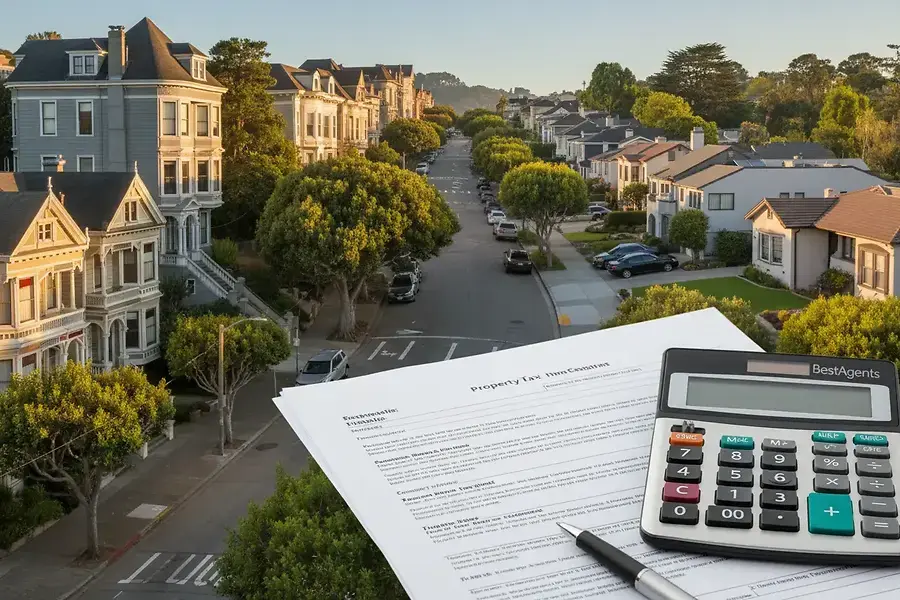
Why Property Taxes Matter for Bay Area Homeowners
Purchasing a home in the San Francisco Bay Area represents one of the most significant financial decisions you'll make. While most buyers focus on the purchase price and mortgage payments, understanding property taxes is equally critical to your long-term wealth building strategy. Property taxes directly impact your monthly housing costs, equity accumulation, and overall return on investment.
In California, property taxes are governed by unique rules that differ significantly from other states. Proposition 13, passed in 1978, fundamentally changed how properties are assessed and taxed. For Bay Area homeowners, this means understanding both state-level regulations and local variations between communities like San Francisco and Walnut Creek is essential before making your purchase.
Understanding Proposition 13 and Assessment Basics
The Foundation of California Property Taxation
Proposition 13 caps property tax rates at 1% of assessed value, with assessments based on the purchase price of the property. This is the good news for homeowners: your property tax burden doesn't automatically increase as your home's market value rises. Instead, assessments only reset when the property changes ownership.
Here's how it works in practice:
- Your property is assessed at its purchase price
- The tax rate is limited to 1% of that assessed value
- Assessments increase by a maximum of 2% annually, regardless of market appreciation
- The assessment resets to current market value only upon sale
What This Means for Your Wallet
If you purchase a home for $1 million, your annual property tax would be approximately $10,000 (1% of $1 million). Even if your home appreciates to $1.5 million over five years, your property tax remains based on the original $1 million purchase price, increasing only by the 2% annual cap. This protection is a major advantage for long-term homeowners in California.
How Property Taxes Differ Between San Francisco and Walnut Creek
San Francisco's Tax Landscape
San Francisco presents a unique property tax situation due to its high real estate values and additional local assessments. While the base 1% Proposition 13 rate applies, San Francisco residents also pay:
- Mello-Roos assessments: Special district taxes for infrastructure improvements
- School bonds: Local education funding measures
- City and county assessments: Additional levies for services and improvements
For a $2 million home in San Francisco, total property taxes (including all assessments) might reach $25,000-$30,000 annually. The high purchase prices in San Francisco mean that even with Proposition 13 protections, your absolute tax burden is substantial.
Walnut Creek's Comparative Advantage
Walnut Creek, located in Contra Costa County, offers a different tax environment. While the same Proposition 13 rules apply, several factors create a lower tax burden:
- Lower median home prices mean lower assessed values
- Fewer special assessments compared to San Francisco
- Different school district funding structures
- More moderate local tax rates
A comparable home in Walnut Creek might cost $1.2 million instead of $2 million, resulting in annual property taxes of approximately $14,000-$16,000. This represents a significant long-term savings for homeowners, especially when compounded over decades of ownership.
The Real Impact: A Comparison
Over a 30-year ownership period, the difference in property taxes between San Francisco and Walnut Creek could exceed $300,000-$400,000, even accounting for the 2% annual increases allowed under Proposition 13.
Strategies to Minimize Tax Impact and Maximize Your Investment
Leverage Proposition 13's Long-Term Benefits
The best strategy for minimizing property tax impact is straightforward: plan to stay in your home long-term. The longer you own your property, the greater your advantage under Proposition 13. Your tax burden grows slowly while your home's market value potentially increases significantly, creating powerful wealth-building leverage.
Consider Your Location Strategically
If property taxes are a concern, evaluate whether Walnut Creek or similar East Bay communities better fit your financial goals compared to San Francisco. The lower tax burden, combined with lower purchase prices, can free up capital for other investments or accelerate mortgage payoff.
Understand Reassessment Triggers
Be aware that certain events trigger reassessment beyond property sales:
- Major renovations or additions
- Changes in property use
- Transfers between family members (with some exceptions)
- Ownership changes in corporations or trusts
Understanding these triggers helps you plan improvements and ownership structures strategically.
Explore Tax Deductions and Exemptions
California offers several property tax relief programs:
- Homeowner's exemption: Reduces assessed value by $7,000 for owner-occupied homes
- Senior citizen exemptions: Additional relief for those over 65
- Disabled veteran exemptions: Special protections for qualifying veterans
Make sure you've applied for all exemptions you qualify for, as they can reduce your annual tax burden by thousands of dollars.
Making Informed Decisions About Your Home Purchase
Property taxes should be one factor among many in your home-buying decision, but they shouldn't be the only factor. Consider the complete financial picture: purchase price, mortgage terms, location benefits, school quality, community amenities, and long-term appreciation potential.
For San Francisco buyers, the higher tax burden is often offset by strong appreciation potential and urban lifestyle benefits. For Walnut Creek buyers, lower taxes combined with suburban living and strong schools create compelling value. The key is understanding these costs upfront and factoring them into your financial planning.
Before making your purchase, consult with a tax professional or financial advisor who understands California property taxation. They can help you model your specific situation, understand your long-term tax obligations, and make the most informed decision for your family's wealth-building goals.
By understanding Proposition 13, local assessments, and the differences between communities, you're equipped to make a home purchase that aligns with both your lifestyle preferences and your financial objectives.