Prosper Home Inspection Essentials: What Buyers Need to Know
Discover the critical inspection points that protect your investment and prevent costly surprises in Prosper residential purchases.

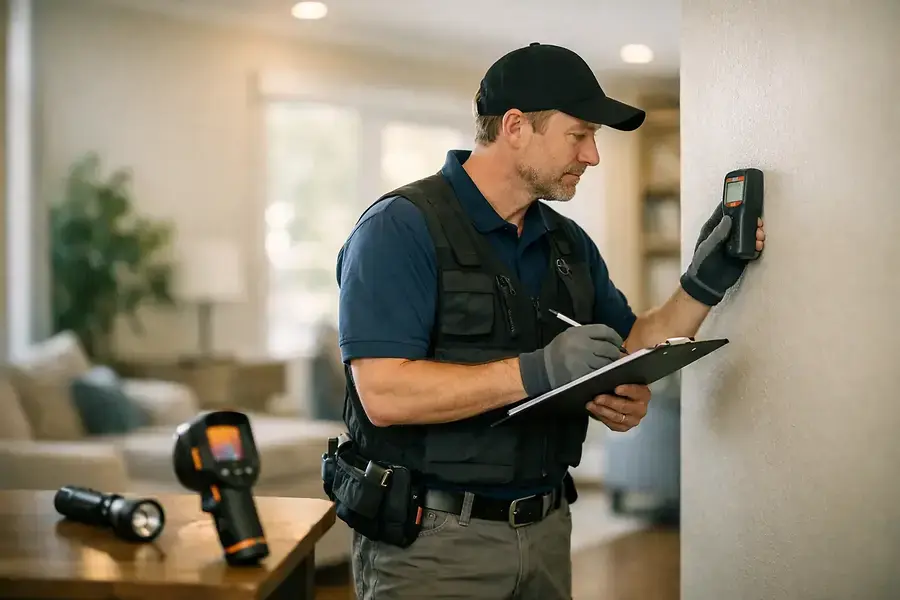
Why Home Inspections Matter in Today's Market
Purchasing a home is one of the most significant financial decisions you'll make in your lifetime. In Prosper's competitive real estate market, a thorough home inspection serves as your safeguard against hidden defects and unexpected repair costs. A professional home inspection provides an objective assessment of a property's condition, giving you the knowledge needed to negotiate effectively or walk away from a problematic purchase.
Many buyers overlook the importance of inspections, assuming that newer homes or well-maintained properties don't need scrutiny. However, even recently built homes can have construction defects, and cosmetic appeal often masks underlying structural or mechanical issues. An inspection typically costs between $300-$500 but can save you thousands in avoided repairs.
Key Areas Inspectors Examine in Prosper Homes
Structural Components and Foundation
Inspectors begin by evaluating the foundation, as this is critical to a home's integrity. They look for:
- Cracks in the foundation or basement walls
- Signs of settling or shifting
- Water damage or moisture intrusion
- Proper grading around the foundation
Prosper's clay soil can contribute to foundation movement, making this inspection particularly important in our area.
Roofing and Exterior
The roof is your home's first line of defense against weather. Inspectors examine:
- Shingle condition and remaining lifespan
- Flashing around chimneys and vents
- Gutters and downspout functionality
- Siding, trim, and exterior paint condition
- Windows and door seals
A roof replacement can cost $10,000 or more, so understanding its condition is essential before purchase.
Plumbing Systems
Water-related issues are among the most costly to repair. Inspectors check:
- Water pressure and flow rates
- Pipe material and condition (galvanized, copper, PVC)
- Presence of leaks or water stains
- Water heater age and functionality
- Drainage systems and septic conditions
Electrical Systems
Electrical problems pose safety hazards and fire risks. Professional inspectors evaluate:
- Panel capacity and breaker condition
- Grounding and bonding
- Outlet and switch functionality
- Presence of outdated wiring (knob-and-tube)
- GFCI protection in wet areas
HVAC and Climate Control
Heating and cooling systems are essential for comfort and can be expensive to replace. Inspectors assess:
- Age and condition of furnace and air conditioning units
- Ductwork integrity and insulation
- Thermostat functionality
- Maintenance history and filter condition
Interior Conditions
Beyond major systems, inspectors examine:
- Walls, ceilings, and floors for damage or settling
- Insulation levels in attic and crawl spaces
- Ventilation and moisture control
- Appliance functionality
- Doors, windows, and hardware operation
Red Flags to Watch For and How to Respond
Major Structural Issues
Significant foundation cracks, bowing walls, or evidence of major settling are serious concerns that require professional structural engineer evaluation. These issues can be extremely costly to repair and may affect the home's insurability and resale value.
Action: Request a structural engineer's assessment before proceeding. Use findings to renegotiate price or request repairs.
Water Damage and Mold
Signs of water intrusion, staining, or mold growth indicate ongoing moisture problems. These can lead to structural decay, health issues, and expensive remediation.
Action: Hire a mold specialist for testing. Determine the moisture source and whether it can be permanently resolved.
Outdated or Hazardous Systems
Knob-and-tube wiring, asbestos insulation, or lead paint are hazardous and costly to address. These materials require professional removal and may affect insurance coverage.
Action: Obtain quotes for remediation. Factor these costs into your offer or request seller remediation.
Failing Major Systems
A roof nearing end-of-life, aging HVAC systems, or failing plumbing requires immediate attention. Replacement costs can range from $5,000 to $20,000+.
Action: Get contractor estimates for replacement. Negotiate repairs or price reduction with the seller.
Pest Infestation
Evidence of termites, carpenter ants, or rodents indicates structural damage risk. Pest damage can be extensive and expensive to treat.
Action: Request professional pest inspection and treatment estimates. Verify that treatment will be completed before closing.
Poor Ventilation and Insulation
Inadequate ventilation leads to moisture problems, while poor insulation increases energy costs. These issues affect comfort and utility bills significantly.
Action: Budget for improvements or request seller upgrades before purchase.
Making Informed Decisions as a Prosper Homebuyer
A home inspection report provides detailed findings, but understanding how to respond is equally important. Not every issue requires walking away from a deal—minor repairs are normal in any home purchase. Focus on major structural, safety, and system issues that could cost thousands to repair.
Use inspection findings as a negotiation tool. Request that sellers address critical items, offer price reductions, or provide repair credits. Remember that you have leverage during the inspection period—use it wisely.
The goal of a home inspection is not to find a perfect home, but to ensure you understand what you're purchasing and can make an informed decision.
Consider hiring a qualified, licensed home inspector with experience in the Prosper area. They understand local building practices, common issues, and regional concerns. Always attend the inspection if possible—this allows you to ask questions and see issues firsthand.
By prioritizing a thorough home inspection and understanding what inspectors look for, you protect your investment and avoid costly surprises. In Prosper's dynamic real estate market, this due diligence is not just recommended—it's essential for confident homeownership.


