Protecting Your Kilauea Home: Climate Resilience and Investment Security
Learn how to safeguard your property value and ensure safety in Kilauea's dynamic volcanic environment.

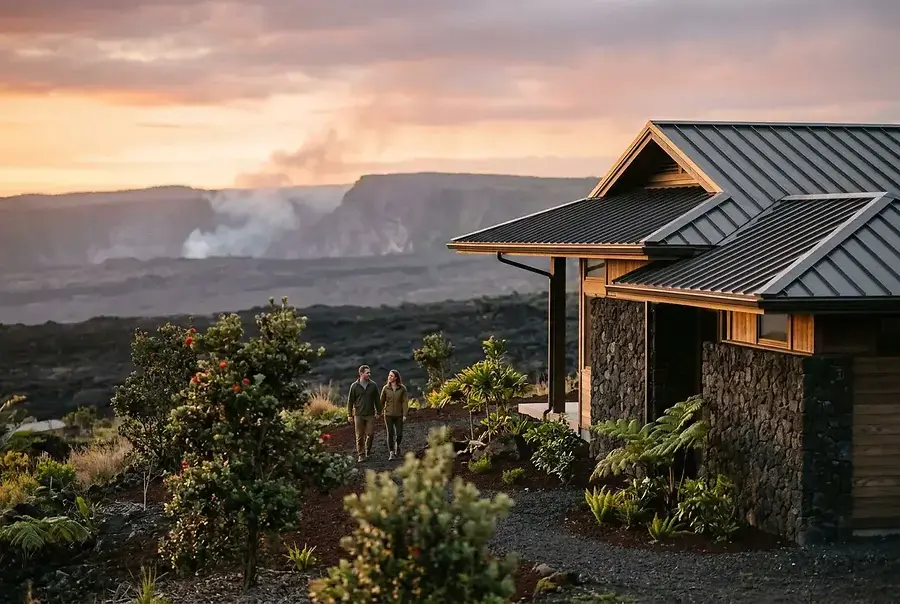
Understanding Kilauea's Geological Landscape and Property Considerations
Living in Kilauea, Hawaii presents a unique opportunity to reside in one of the world's most geologically active regions. However, this distinctive environment requires homeowners to understand the specific challenges and considerations that come with volcanic proximity. The Kilauea volcano, one of the world's most active volcanoes, has shaped the landscape and continues to influence property values, insurance rates, and long-term investment potential.
The Geological Reality
Kilauea's volcanic activity creates both risks and opportunities for homeowners. The volcano's eruptions, lava flows, and volcanic gases can impact properties in different ways depending on their location relative to volcanic hazards. Understanding your property's position within the volcanic hazard zones is crucial for making informed decisions about your investment.
Key geological factors to consider include:
- Proximity to active volcanic vents and rift zones
- Historical lava flow patterns and potential future pathways
- Volcanic gas emissions, particularly sulfur dioxide
- Ground stability and subsidence risks
- Ash fall and tephra distribution patterns
Property Valuation in Volcanic Zones
Properties in Kilauea experience unique valuation dynamics. While some areas command premium prices due to their scenic volcanic views and unique character, others may face valuation challenges due to perceived or actual volcanic hazards. Understanding these market dynamics helps you make strategic investment decisions and protect your wealth.
Properties located in lower-risk zones with excellent views often appreciate steadily, while those in higher-risk areas may require more careful financial planning and insurance considerations.
Protective Measures and Home Maintenance for Volcanic Regions
Structural Reinforcement and Home Hardening
Protecting your Kilauea home begins with understanding what makes structures resilient in volcanic environments. Modern construction techniques and retrofitting strategies can significantly enhance your home's ability to withstand volcanic hazards.
Essential protective measures include:
- Roof reinforcement: Install impact-resistant roofing materials that can withstand ash fall and volcanic debris
- Air filtration systems: Install high-quality HEPA filters to protect against volcanic gases and ash infiltration
- Foundation inspection: Regular assessments ensure your foundation remains stable despite ground movement
- Drainage systems: Proper drainage prevents lava-related water damage and flooding
- Vegetation management: Clear vegetation that could catch fire from lava flows or volcanic heat
Ongoing Maintenance and Monitoring
Regular home maintenance is critical in Kilauea. Volcanic ash and gases can corrode materials faster than in other environments, requiring more frequent inspections and maintenance schedules.
Establish a comprehensive maintenance routine that includes:
- Quarterly inspections of roof and gutters for ash accumulation
- Annual HVAC system checks and filter replacements
- Regular sealing of cracks and gaps in exterior walls
- Monitoring of water quality and plumbing systems
- Landscape maintenance to reduce fire hazards
Emergency Preparedness Planning
Every Kilauea homeowner should maintain an updated emergency preparedness plan. This includes evacuation routes, emergency supplies, important document storage, and communication strategies with family members. Having a well-thought-out plan provides peace of mind and ensures you can respond quickly if volcanic activity increases.
Insurance and Financial Planning for Kilauea Homeowners
Understanding Your Insurance Options
Insurance is a critical component of protecting your Kilauea investment. Standard homeowners insurance typically does not cover volcanic damage, making specialized coverage essential.
Key insurance considerations:
- Volcanic hazard insurance: Specialized policies that cover lava flows, volcanic gases, and related damage
- Flood insurance: Important for properties in areas prone to lava-related flooding
- Comprehensive coverage: Ensure your policy covers all potential volcanic-related damages
- Regular policy reviews: Update your coverage as property values and risks change
Financial Planning Strategies
Successful long-term wealth building in Kilauea requires strategic financial planning. Consider working with financial advisors familiar with Hawaii's unique real estate market and volcanic risk factors.
Smart financial planning in volcanic regions means balancing risk management with investment growth opportunities.
Develop a comprehensive financial strategy that includes:
- Adequate emergency reserves for unexpected repairs or evacuations
- Regular property value assessments to track investment performance
- Tax planning strategies specific to Hawaii real estate
- Diversification of investments beyond your primary residence
- Long-term wealth preservation strategies
Working with Local Experts
Partner with real estate professionals, insurance agents, and financial advisors who understand Kilauea's unique characteristics. Local expertise is invaluable when navigating volcanic hazard zones, insurance requirements, and property valuation in this distinctive market.
Conclusion: Building Long-Term Wealth in Hawaii's Most Unique Community
Living in Kilauea offers a rare opportunity to own property in one of the world's most geologically significant locations. While volcanic activity presents unique challenges, informed homeowners who implement protective measures, maintain comprehensive insurance coverage, and engage in strategic financial planning can successfully protect their investment and build long-term wealth.
The key to success in Kilauea is understanding that living in a volcanic region requires proactive management and specialized knowledge. By taking the steps outlined in this guide—understanding geological risks, implementing protective measures, maintaining your home diligently, and securing appropriate insurance—you can confidently invest in your Kilauea property while safeguarding your financial future.
Your Kilauea home is more than just a residence; it's an investment in Hawaii's most unique and dynamic community. With proper planning and protection, it can provide both security and appreciation for generations to come.


