Rancho Cucamonga Home Inspection Guide: Protect Your Investment
Learn the essential inspection checklist that protects your investment and reveals hidden property issues before closing.

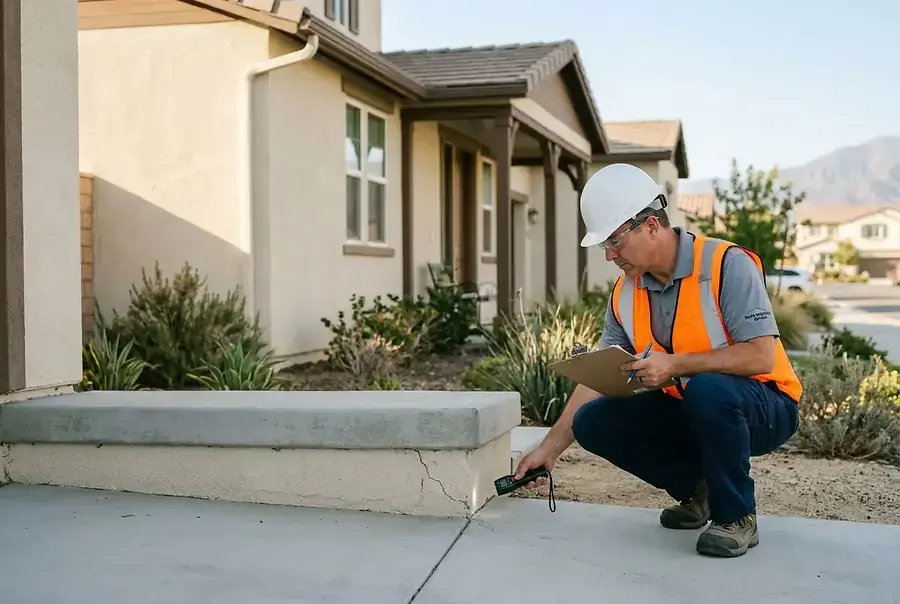
Why Home Inspections Matter in Rancho Cucamonga's Competitive Market
In Rancho Cucamonga's fast-paced real estate market, homes often sell within days of listing. The pressure to make quick offers can tempt buyers to skip thorough inspections, but this decision can cost thousands in unexpected repairs. A professional home inspection is your safeguard against purchasing a property with hidden defects that could drain your savings.
Home inspections provide an objective assessment of a property's condition before you commit to the purchase. Whether you're a first-time homebuyer or an experienced investor, understanding what inspectors evaluate helps you make informed decisions and negotiate better terms. In Rancho Cucamonga's competitive environment, knowledge is power.
Critical Areas to Inspect: Foundation, HVAC, Plumbing, and Electrical Systems
Foundation and Structural Integrity
The foundation is the backbone of any home. Inspectors examine the foundation for cracks, settling, water damage, and signs of structural movement. In Rancho Cucamonga, where properties may experience soil shifts due to climate variations, foundation issues are particularly important to catch early.
What inspectors look for:
- Horizontal or vertical cracks in the foundation
- Water stains or moisture in basements or crawl spaces
- Uneven floors or doors that don't close properly
- Bowing or leaning walls
HVAC Systems
Heating, ventilation, and air conditioning systems are essential in Rancho Cucamonga's warm climate. A failing HVAC system can cost $5,000 to $15,000 to replace. Inspectors test the system's functionality, check the age of equipment, and assess maintenance records.
Key inspection points:
- Age and condition of the furnace and air conditioning unit
- Proper airflow throughout the home
- Thermostat functionality
- Ductwork condition and sealing
- Filter maintenance and cleanliness
Plumbing Systems
Water damage from plumbing issues can be catastrophic and expensive. Inspectors evaluate water pressure, drainage, pipe materials, and the condition of fixtures. They also check for signs of leaks, corrosion, and outdated materials that may fail soon.
Areas of focus:
- Water pressure and flow rates
- Pipe material and age (galvanized, copper, PVC)
- Signs of leaks or water damage
- Sewer line condition and functionality
- Water heater age and condition
Electrical Systems
Faulty electrical systems pose serious safety hazards and fire risks. Inspectors examine the electrical panel, wiring, outlets, and switches to ensure the system meets current safety codes. Outdated or inadequate electrical systems may need upgrades to support modern appliances.
Inspection checklist:
- Electrical panel capacity and condition
- Presence of proper grounding and bonding
- Outlet and switch functionality
- Signs of overheating or fire hazards
- Compliance with current electrical codes
Red Flags and Deal-Breakers: What Inspectors Look For in Residential Properties
Moisture and Water Damage
Water intrusion is one of the most serious issues inspectors identify. Moisture can lead to mold growth, structural decay, and costly remediation. Look for water stains on ceilings, walls, or in attics. Musty odors are another warning sign.
Mold and Indoor Air Quality
Mold growth indicates moisture problems and poses health risks. While inspectors identify visible mold, they may recommend specialized testing for hidden mold. Addressing mold issues before purchase protects your health and investment.
Roof Condition
A roof replacement can cost $10,000 or more. Inspectors assess shingle condition, flashing integrity, and signs of leaks. In Rancho Cucamonga's sunny climate, UV damage and deterioration happen faster than in cooler regions.
Pest Infestations
Termites, rodents, and other pests can cause extensive damage. Inspectors look for droppings, damaged wood, and entry points. Pest damage may require professional remediation before purchase.
Outdated or Unsafe Systems
Common deal-breakers include:
- Knob-and-tube wiring (fire hazard)
- Asbestos in insulation or flooring
- Lead paint in homes built before 1978
- Polybutylene plumbing (prone to failure)
- Unpermitted additions or renovations
Inadequate Ventilation and Insulation
Poor ventilation leads to moisture problems and higher energy bills. Insufficient insulation makes homes uncomfortable and expensive to heat and cool. Inspectors evaluate attic ventilation, insulation R-values, and overall energy efficiency.
Using Inspection Results to Negotiate and Make Confident Offers
Understanding Your Inspection Report
A thorough inspection report categorizes findings by severity. Critical issues require immediate attention, while minor issues may be deferred. Understanding this distinction helps you prioritize negotiations.
Negotiation Strategies
Armed with inspection results, you have leverage to negotiate. You can request repairs, ask for credits toward closing costs, or request price reductions. In Rancho Cucamonga's competitive market, sellers may be more willing to negotiate on price than on repairs.
Get multiple repair estimates for significant issues. Use these quotes to support your negotiation position and ensure you're asking for fair compensation.
Making Confident Offers
A professional home inspection transforms the buying process from guesswork to informed decision-making. You'll know exactly what you're purchasing and what future costs to expect. This confidence allows you to make competitive offers without fear of hidden surprises.
Never waive the inspection contingency in a competitive market. This protection is worth more than any price reduction. A thorough inspection today prevents costly problems tomorrow.
Final Thoughts
Home inspections are investments in your peace of mind and financial security. In Rancho Cucamonga's dynamic real estate market, they level the playing field between buyers and sellers. By understanding what inspectors evaluate and what red flags to watch for, you'll make smarter decisions and protect your most significant investment.
Schedule your inspection early in the buying process, review the report carefully, and use the findings to negotiate confidently. Your future self will thank you for the diligence you invest today.


