Red Bank Home Inspection Essentials: What Every Buyer Should Know
Discover the critical inspection checkpoints that protect your investment and reveal hidden issues before you commit to purchasing a home in Red Bank.

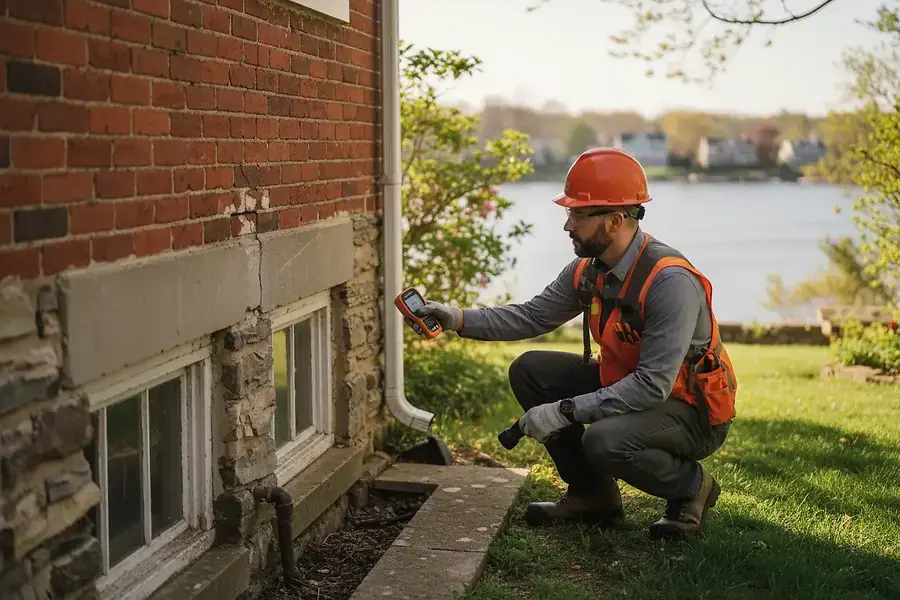
Why Home Inspections Matter in Red Bank's Real Estate Market
Purchasing a home is one of the most significant financial decisions you'll make, and in Red Bank's competitive real estate market, a thorough home inspection is your best defense against costly surprises. A professional home inspection provides an objective assessment of a property's condition, identifying potential issues that could affect its safety, value, and your long-term investment.
Red Bank's unique location along the Navesink River and its mix of historic and modern properties create specific inspection considerations that general buyers might overlook. Whether you're purchasing a charming Victorian-era home or a contemporary waterfront property, understanding what inspectors evaluate can help you make confident, informed decisions.
Key Areas Professional Inspectors Evaluate in Red Bank Homes
Structural Integrity and Foundation
Professional inspectors begin by examining the foundation, walls, and overall structural components of the home. They look for signs of settling, cracks, water damage, and structural movement that could indicate serious problems. In Red Bank, where many homes are older, foundation issues are particularly important to assess.
Roofing and Weather Protection
The roof is your home's first line of defense against the elements. Inspectors evaluate:
- Roof age and remaining lifespan
- Shingle condition and potential leaks
- Flashing around chimneys and vents
- Gutter systems and drainage
- Signs of water damage in attics
Plumbing Systems
A comprehensive plumbing inspection includes checking water pressure, drainage, pipe materials, and the condition of fixtures. Inspectors test water flow, look for leaks, and assess whether pipes are galvanized (which may need replacement in older homes) or modern materials like copper or PVC.
Electrical Systems
Electrical safety is paramount. Inspectors examine the main panel, circuit breakers, outlets, and wiring to ensure the system meets current safety standards. Older Red Bank homes may have outdated electrical systems that require upgrades to safely handle modern appliance loads.
HVAC and Climate Control
Heating, ventilation, and air conditioning systems are evaluated for age, functionality, and efficiency. Inspectors check furnaces, air conditioners, and ventilation to ensure they operate properly and provide adequate climate control throughout the home.
Interior and Exterior Conditions
Professional inspectors examine walls, ceilings, floors, windows, doors, and exterior siding for damage, deterioration, or needed repairs. They assess paint condition, check for pest damage, and evaluate the overall maintenance level of the property.
Red Bank-Specific Concerns: Waterfront Properties and Older Structures
Waterfront and Moisture Issues
Red Bank's proximity to the Navesink River means waterfront and near-waterfront properties face unique challenges. Inspectors pay special attention to:
- Moisture and humidity levels that can lead to mold growth
- Flood risk assessment and elevation relative to water levels
- Saltwater corrosion affecting metal components and exterior materials
- Drainage systems designed to handle seasonal water fluctuations
- Foundation protection against water intrusion and seepage
If you're considering a waterfront property, ask your inspector specifically about flood history, insurance requirements, and any mitigation systems already in place.
Historic Home Considerations
Many Red Bank homes were built in the late 1800s and early 1900s, giving the area its charming character. However, older structures present specific inspection concerns:
- Lead paint in homes built before 1978
- Asbestos in insulation, roofing, and other materials
- Outdated wiring and plumbing systems
- Settling and structural movement common in century-old homes
- Inadequate insulation affecting energy efficiency
- Original windows that may be beautiful but energy-inefficient
Pro tip: If you're purchasing a historic home, consider hiring an inspector with specific experience in older properties. They'll understand the unique challenges and can provide realistic assessments of renovation needs.
Environmental Testing
Depending on the property's age and location, additional testing may be recommended:
- Radon testing for basement and foundation areas
- Mold inspection in damp areas
- Well water testing if the property uses a private well
- Septic system evaluation for properties not on municipal sewers
Using Inspection Reports to Negotiate and Make Confident Offers
Understanding Your Inspection Report
A professional inspection report provides detailed findings organized by home system. Reports typically categorize issues as:
- Safety concerns requiring immediate attention
- Major repairs needed within the next few years
- Minor issues that are cosmetic or low-priority
- Maintenance recommendations for ongoing care
Take time to review the report thoroughly and ask your inspector to explain any findings you don't understand.
Negotiation Strategies
Armed with inspection findings, you have several negotiation options:
- Request repairs: Ask the seller to fix major issues before closing
- Negotiate credits: Request a price reduction to cover repair costs you'll handle yourself
- Extend closing: Ask for additional time to obtain contractor estimates and plan repairs
- Walk away: If major issues exceed your budget or comfort level, you have the right to withdraw
Remember: A thorough inspection protects your investment and gives you the information needed to make decisions from a position of knowledge rather than emotion.
Moving Forward with Confidence
Whether you're buying a charming historic home in downtown Red Bank or a modern waterfront property, a professional home inspection is an essential investment. The cost of an inspection—typically $300 to $500—is minimal compared to the potential savings from identifying major issues before purchase.
Use your inspection report not as a reason to walk away from a good property, but as a tool to understand what you're buying and plan for future maintenance and repairs. With this knowledge, you can make confident offers and move forward with your Red Bank home purchase knowing you've done your due diligence.


