Reduce Your Property Taxes: A Homeowner's Guide to Belle Mead, NJ
Learn proven strategies to reduce your residential property tax burden and maximize your home investment returns.

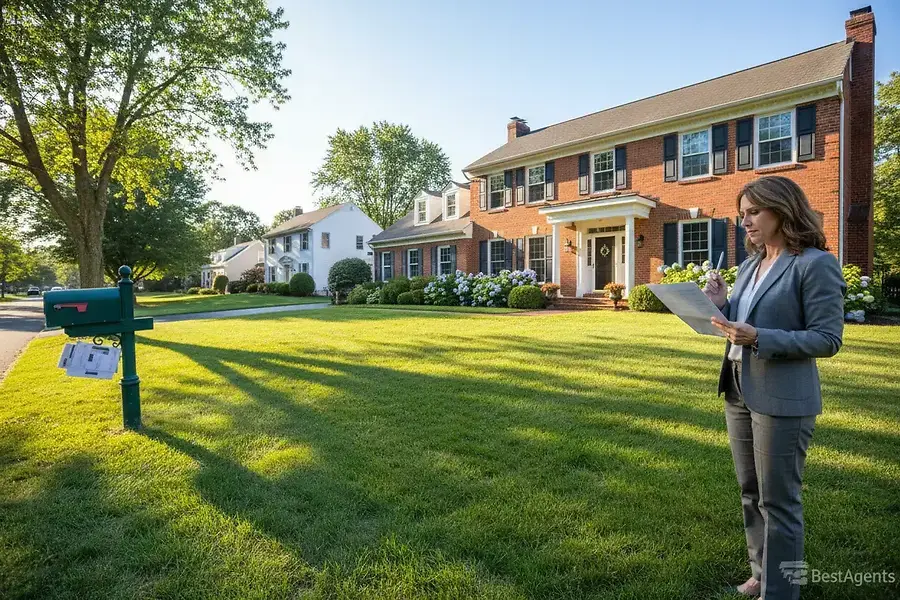
Understanding Belle Mead's Property Tax Assessment Process
Property taxes in Belle Mead, New Jersey, are determined through a systematic assessment process that evaluates residential properties based on their market value and characteristics. Understanding how this process works is the first step toward effectively managing your tax burden.
The Somerset County Tax Assessor's office conducts periodic reassessments of all properties in Belle Mead. These assessments typically occur every few years and involve a comprehensive evaluation of your home's physical characteristics, location, and comparable property values in the area. The assessed value is then multiplied by the local tax rate to determine your annual property tax bill.
The Assessment Timeline and Notification Process
When the assessor's office completes an assessment, homeowners receive a notice of assessment. This document outlines the assessed value of your property and provides information about your right to appeal. It's crucial to review this notice carefully, as errors in property descriptions or valuations are not uncommon and can result in overpaying taxes.
The assessment process includes:
- Physical inspection of your property's exterior and interior features
- Comparison with similar properties in Belle Mead
- Analysis of recent sales data for comparable homes
- Evaluation of property improvements and renovations
- Review of lot size, zoning, and location factors
Key Factors That Influence Your Property Tax Rate
Several factors directly impact how your property is assessed and what you ultimately pay in taxes. By understanding these elements, you can identify opportunities to reduce your tax burden.
Property Characteristics and Improvements
The assessor evaluates numerous physical characteristics of your home, including square footage, number of bedrooms and bathrooms, roof condition, heating system, and overall structural integrity. Recent renovations and improvements can increase your assessed value, so it's important to consider the tax implications before undertaking major upgrades.
Key property factors include:
- Age and condition of the structure
- Quality of construction materials
- Presence of amenities like pools, decks, or garages
- Energy-efficient features and upgrades
- Lot size and topography
Location and Market Conditions
Your property's location within Belle Mead significantly influences its assessed value. Properties near schools, parks, or commercial areas may be valued differently than those in quieter neighborhoods. Additionally, market conditions and recent comparable sales in your area directly affect how assessors determine your home's value.
Exemptions and Special Assessments
Belle Mead homeowners may qualify for various tax exemptions or special assessment programs. These can include senior citizen exemptions, disability exemptions, or agricultural exemptions if applicable. Additionally, some homeowners may benefit from the Homestead Property Tax Credit, which provides relief for eligible residents.
Effective Negotiation and Appeal Strategies for Homeowners
If you believe your property has been overassessed, you have the right to appeal. This process requires preparation, documentation, and strategic planning.
Gathering Evidence for Your Appeal
Documentation is your strongest tool when appealing a property assessment. Begin by collecting evidence that supports a lower valuation of your property. This includes:
- Recent appraisals from qualified appraisers
- Comparable sales data for similar homes in Belle Mead
- Documentation of property defects or needed repairs
- Photos and inspection reports highlighting maintenance issues
- Evidence of structural problems or code violations
- Information about properties with similar characteristics that sold for less
The Appeal Process
In Somerset County, homeowners can file an appeal with the Tax Assessment Board of Appeals. The process typically involves submitting a formal appeal application within a specified timeframe after receiving your assessment notice. Missing the deadline can result in losing your right to appeal, so mark your calendar immediately upon receiving your assessment.
The appeal process generally includes:
- Filing a formal appeal application with required documentation
- Attending a hearing before the Board of Appeals
- Presenting your evidence and arguments
- Responding to the assessor's counterarguments
- Receiving a decision from the Board
Working with a Tax Professional
Consider hiring a property tax consultant or attorney who specializes in assessment appeals. These professionals understand local assessment practices and can significantly strengthen your case. The cost of professional assistance often pays for itself through reduced tax assessments, especially for higher-valued properties.
Negotiation Tips for Success
When presenting your appeal, focus on factual evidence rather than emotional arguments. Emphasize comparable sales of similar properties that sold for less, highlight any defects or needed repairs, and present a professional appraisal if available. Be prepared to answer questions about your property and demonstrate why the current assessment exceeds fair market value.
"Property tax appeals are won with data, not opinions. Bring solid evidence of comparable sales and property conditions to support your position."
Conclusion: Protecting Your Investment Through Tax Awareness
Your property tax bill represents a significant portion of your homeownership costs. By understanding Belle Mead's assessment process, recognizing the factors that influence your taxes, and knowing how to appeal an unfair assessment, you can take control of this expense.
Don't assume your assessment is accurate. Review your notice of assessment carefully, compare your property to similar homes in the area, and don't hesitate to appeal if you believe the valuation is too high. Many homeowners successfully reduce their tax burden through the appeal process, and you may be able to as well.
Take action today to protect your investment and maximize your returns. Your diligence in managing property taxes can result in substantial savings over the years you own your home in Belle Mead.


