Relocating to Greater Austin: A Community Comparison Guide
Comparing housing, location, and development patterns across several communities in the Greater Austin region.

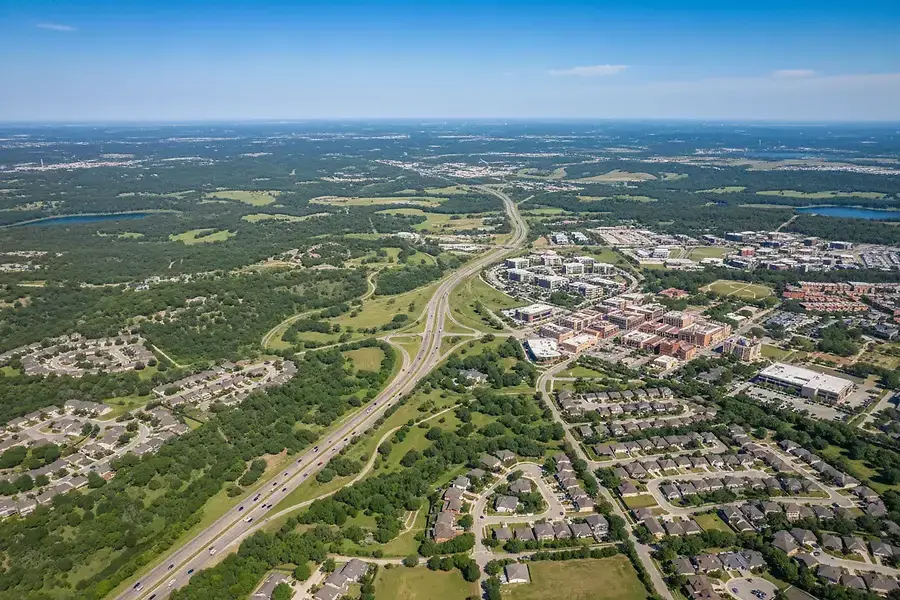
Exploring Housing and Development in the Greater Austin Region
Relocating to the Greater Austin region often involves comparing several communities that offer different housing options, development patterns, access to major roadways, and proximity to employment centers. From historic downtown districts to newer suburban development, the region includes a wide range of residential environments and price points.
Communities throughout the area vary in terms of housing inventory, commercial growth, and transportation access. Buyers researching the region may encounter a mix of single-family homes, townhomes, condominium developments, and apartment communities, along with both established neighborhoods and newer construction.
This guide provides a general overview of several Austin-area communities to help buyers compare housing characteristics, location, and regional features as they narrow their search.
Community Overview: Georgetown, Cedar Park, Leander, Round Rock, Pflugerville, and Austin
Georgetown
Georgetown is located north of Austin and is known for its historic downtown square and established development patterns. The community includes a mix of older homes, newer residential subdivisions, parks, and locally owned businesses. Ongoing retail and residential growth continues to expand housing availability and services throughout the area.
Cedar Park
Cedar Park sits northwest of Austin and includes a combination of residential neighborhoods, retail corridors, restaurants, and recreational facilities. Housing options vary by neighborhood and may include both established homes and newer construction. The community also provides access to several major roadways connecting residents to other parts of Central Texas.
Leander
Leander is part of the northern Greater Austin region and continues to experience residential and commercial development. The area includes newer housing communities, expanding retail activity, and commuter routes connecting to nearby cities. Buyers researching Leander may find a range of housing styles and price points depending on location.
Round Rock
Round Rock functions as a major regional employment center and includes business campuses, retail centers, restaurants, parks, and entertainment venues. Housing options range from established neighborhoods to newer residential developments. Commute patterns vary depending on destination, traffic conditions, and access to major transportation routes.
Pflugerville
Pflugerville is located east of central Austin and has experienced continued residential and commercial expansion in recent years. The area includes newer housing developments, parks, retail growth, and access to highways serving the broader region. Ongoing development continues to add additional housing inventory and services.
Austin
Austin serves as the region’s economic center and includes a wide range of housing types, from condominium developments and apartments to single-family homes in established neighborhoods. The city also contains major employment centers, entertainment districts, restaurants, and cultural institutions. Buyers considering Austin should compare price ranges, commute routes, and neighborhood-specific characteristics, as conditions vary significantly across the city.
Key Factors to Compare When Researching Communities
Housing Options
Each community in the Greater Austin region offers a different mix of housing inventory, development styles, lot sizes, and price ranges. Buyers may encounter established neighborhoods with older homes as well as newer developments with recently built properties. Comparing available homes based on layout, condition, and long-term housing needs can help narrow the search.
Commute and Access
Commute times across the region can vary depending on employment location, roadway access, and traffic conditions. Buyers may want to evaluate drive times, available transportation routes, and proximity to major highways when comparing communities.
Amenities and Local Services
Retail centers, dining establishments, parks, trails, entertainment venues, and other services differ across the Greater Austin region. Access to these amenities can vary depending on location and development patterns within each community.
Development Patterns
Some communities include historic districts and long-established neighborhoods, while others feature newer residential construction and expanding infrastructure. Development patterns may influence housing styles, lot sizes, and the availability of newer commercial services.
Making an Informed Decision
Choosing the right community often begins with identifying personal priorities such as housing budget, property type, commute considerations, and access to local amenities. Evaluating these factors alongside available inventory can help buyers focus their search.
Visiting communities in person may also provide additional perspective. Buyers may benefit from exploring neighborhoods at different times of day, reviewing current listings, and researching third-party information related to schools, transportation routes, and other local services relevant to their decision.
The Greater Austin region offers a wide range of housing opportunities across multiple communities. Comparing these locations carefully can help buyers make more informed decisions based on their goals, timeline, and housing preferences.
Need real estate guidance?
If you would like assistance comparing communities, reviewing available listings, or building a search strategy in the Greater Austin area, feel free to reach out. A structured approach to evaluating location, housing options, and market conditions can help simplify the relocation process.


