Relocating to North Carolina: Essential Guide for Homebuyers in Concord, Charlotte & Dallas
Learn what you need to know before moving to NC residential markets.

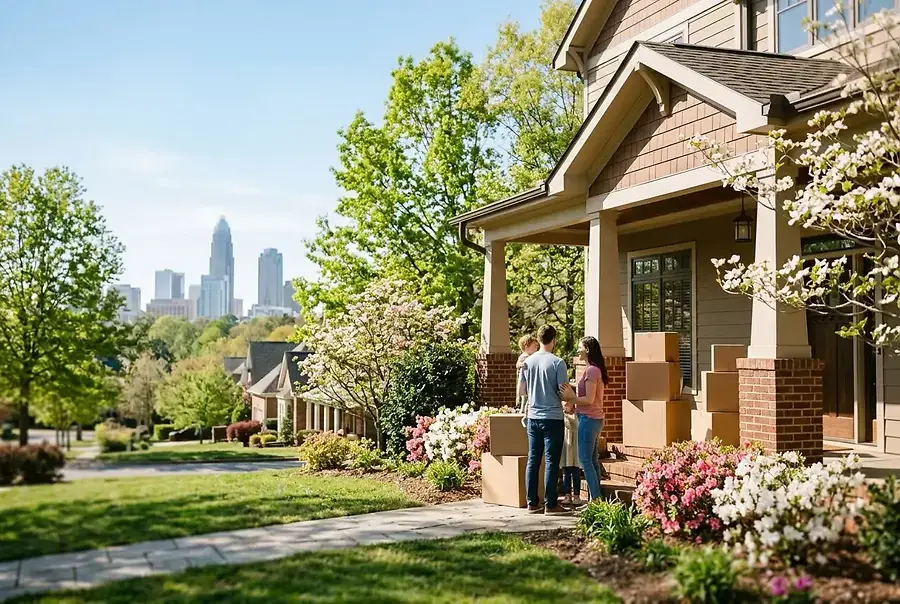
Understanding the NC Housing Market for Newcomers
North Carolina has emerged as one of the most attractive relocation destinations in the United States, offering a compelling combination of affordable housing, strong economic growth, and quality of life. The state's housing market has experienced steady appreciation while remaining more accessible than many other major metropolitan areas across the country.
For newcomers, understanding the current market dynamics is crucial. The NC housing market is characterized by:
- Competitive pricing compared to national averages, making homeownership more attainable
- Growing demand from remote workers and families seeking better value
- Diverse neighborhoods ranging from urban centers to suburban communities
- Strong job markets in technology, healthcare, and manufacturing sectors
The state's population growth has been steady, creating opportunities for both buyers and investors. However, popular areas are experiencing increased competition, so timing and preparation are essential for successful home purchases.
Choosing Between Concord, Charlotte, and Dallas: Location Comparison
Charlotte: The Urban Hub
Charlotte stands as North Carolina's largest city and serves as a major financial center. This vibrant metropolitan area offers:
- Extensive job opportunities across finance, technology, and healthcare
- World-class dining, entertainment, and cultural attractions
- Strong public transportation infrastructure
- Higher average home prices reflecting urban demand
- Diverse neighborhoods with distinct personalities and amenities
Charlotte is ideal for professionals seeking urban convenience and career advancement opportunities. The city's neighborhoods range from trendy uptown areas to family-friendly suburbs with excellent schools.
Concord: The Balanced Choice
Located just 20 miles northeast of Charlotte, Concord offers the perfect middle ground between urban accessibility and suburban tranquility. This growing city provides:
- More affordable housing options than Charlotte proper
- Easy commute to Charlotte's job markets
- Strong sense of community and local engagement
- Excellent schools and family-oriented amenities
- Growing downtown revitalization and local businesses
Concord appeals to families and professionals who want proximity to urban opportunities without the higher costs and density of city living.
Dallas: The Emerging Market
Note: This refers to Dallas, North Carolina, a smaller community in Gaston County
Dallas represents an emerging opportunity for budget-conscious homebuyers seeking authentic small-town living with growth potential:
- Significantly lower home prices than Charlotte and Concord
- Tight-knit community atmosphere
- Access to outdoor recreation and natural beauty
- Developing infrastructure and local amenities
- Potential for property appreciation as the area grows
Dallas suits those prioritizing affordability and community connection over urban conveniences.
Financing Your Move: Mortgages and Costs in North Carolina
Understanding Mortgage Options
North Carolina offers competitive mortgage rates and diverse financing options for homebuyers. Before beginning your search, familiarize yourself with:
- Fixed-rate mortgages: Stable payments over 15, 20, or 30 years
- Adjustable-rate mortgages (ARMs): Lower initial rates with potential increases later
- FHA loans: Government-backed options requiring lower down payments
- VA loans: Benefits for military veterans and service members
- USDA loans: Rural property financing for eligible borrowers
Additional Costs to Consider
Beyond the mortgage payment, budget for these essential expenses:
- Property taxes: North Carolina's rates are moderate, averaging around 0.84% of home value annually
- Homeowners insurance: Typically $800-$1,200 annually depending on location and coverage
- HOA fees: If applicable, ranging from $100-$500+ monthly in some communities
- Closing costs: Usually 2-5% of purchase price
- Home inspection and appraisal: Budget $400-$800 combined
Pro tip: Get pre-approved for a mortgage before house hunting. This demonstrates seriousness to sellers and clarifies your budget.
Down Payment Strategies
While traditional financing requires 20% down, many programs allow lower percentages. First-time homebuyers should explore state and local assistance programs that may offer down payment help or favorable terms.
Getting Started: Next Steps for Relocating Homebuyers
Step 1: Assess Your Financial Readiness
Before relocating, ensure your finances are in order. Check your credit score, gather financial documents, and consult with a mortgage lender about pre-approval. A strong financial foundation makes the entire process smoother.
Step 2: Research Your Target Community
Visit your chosen area multiple times. Explore neighborhoods, visit local businesses, check out schools, and get a feel for the community culture. Connect with local real estate agents who understand the market intimately.
Step 4: Partner with a Local Real Estate Agent
A knowledgeable local agent is invaluable. They understand market trends, neighborhood nuances, and can guide you through North Carolina's specific buying process. Interview multiple agents before committing.
Step 5: Make Your Move
Once you've found the right property and secured financing, work with your agent and lender to navigate inspections, appraisals, and closing. Plan your moving logistics and prepare for your new chapter in North Carolina.
Final Thoughts
Relocating to North Carolina is an exciting opportunity. Whether you choose Charlotte's urban energy, Concord's balanced lifestyle, or Dallas's small-town charm, thorough preparation ensures a successful transition. Take your time, do your research, and don't hesitate to ask questions throughout the process. Your new North Carolina home awaits!