Relocating to Rural North Dakota and Minnesota: Complete Moving Guide
Discover what to expect when moving to small towns across the Fargo-Moorhead corridor and surrounding counties.

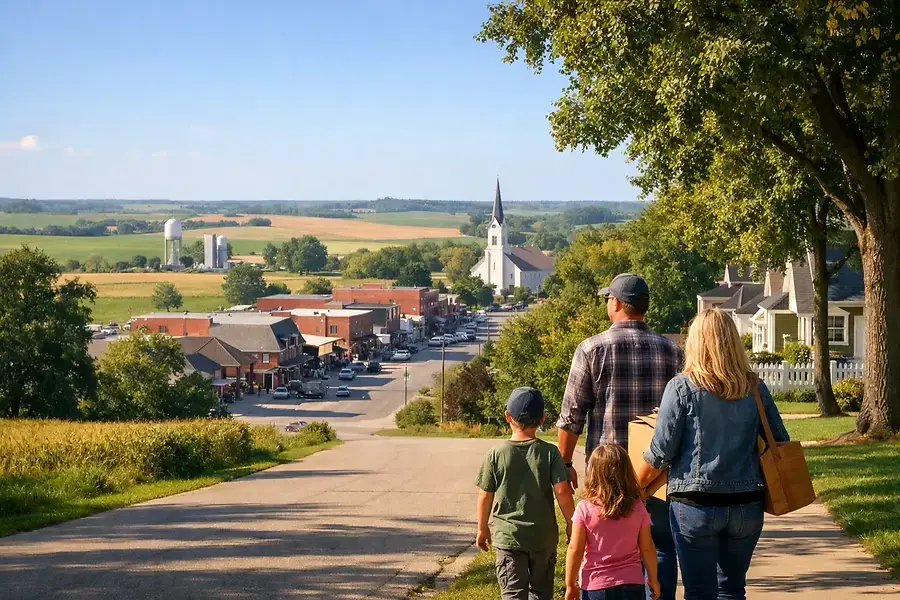
Understanding the Appeal of Rural Relocation
The allure of rural living in North Dakota and Minnesota has never been stronger. More families and professionals are discovering the benefits of small-town life, particularly in the Fargo-Moorhead corridor and surrounding counties. The combination of affordable housing, strong community values, and access to outdoor recreation creates an attractive alternative to bustling urban centers.
Rural relocation offers numerous advantages that appeal to different demographics. Lower cost of living means your money stretches further, whether you're purchasing a home or starting a business. The tight-knit communities foster genuine connections with neighbors, creating a sense of belonging that's increasingly rare in larger cities. Additionally, the region's natural beauty—from pristine lakes to expansive farmland—provides endless opportunities for outdoor enthusiasts.
Quality of life improvements are often cited as the primary reason families make the move. Reduced commute times, safer neighborhoods, and a slower pace of life contribute to lower stress levels and better overall well-being. For remote workers and entrepreneurs, rural North Dakota and Minnesota offer the perfect balance of affordability and connectivity.
Choosing the Right Small Town for Your Family and Lifestyle
Evaluating Your Priorities
Before committing to a move, take time to identify what matters most to your family. Are you seeking excellent schools? Do you need proximity to healthcare facilities? Are outdoor activities and recreation essential to your lifestyle? Understanding your priorities will guide your town selection process.
Consider these key factors when evaluating potential towns:
- School Systems: Research school ratings, extracurricular programs, and graduation rates. Many rural schools offer personalized education with smaller class sizes.
- Healthcare Access: Verify the availability of medical facilities, specialists, and emergency services within reasonable distance.
- Employment Opportunities: Investigate local job markets, remote work infrastructure, and business development support for entrepreneurs.
- Community Activities: Look for towns with vibrant community events, recreational facilities, and cultural opportunities.
- Cost of Living: Compare housing prices, property taxes, and general expenses across different towns.
Exploring the Fargo-Moorhead Corridor
The Fargo-Moorhead area serves as an excellent hub for those seeking rural living with urban amenities nearby. This region offers a unique blend of small-town charm and access to larger city services. Towns surrounding this corridor provide varying levels of rural character while maintaining reasonable proximity to shopping, dining, and entertainment options.
The Fargo-Moorhead region has experienced significant growth while maintaining its community-oriented values, making it an ideal destination for families seeking balance.
Visiting Potential Towns
Never make a relocation decision without visiting your prospective town in person. Spend time exploring neighborhoods, visiting local businesses, and speaking with current residents. Attend community events, visit schools, and get a genuine feel for daily life. This firsthand experience is invaluable in determining whether a town aligns with your lifestyle and values.
Practical Steps for Relocating: Schools, Services, and Community Integration
Enrolling Children in Schools
If you have school-age children, contact the local school district well in advance of your move. Request information about curriculum, special programs, and enrollment procedures. Many rural schools offer unique opportunities such as agricultural programs, outdoor education, and strong arts initiatives. Schedule campus visits and speak with teachers and administrators to understand the educational philosophy and community involvement.
Rural schools often provide a more personalized educational experience where teachers know students individually and can tailor instruction to individual needs. This environment frequently results in stronger academic outcomes and increased student engagement.
Accessing Essential Services
Identify the locations of essential services before your move. Map out healthcare providers, grocery stores, pharmacies, and other necessities. While rural areas may require slightly longer travel distances for some services, most towns in the region have adequate access to daily necessities.
Create a checklist of important contacts:
- Local hospital or clinic information
- Utility providers and setup procedures
- Internet and telecommunications options
- Banking and financial institutions
- Local government offices
- Emergency services contact information
Integrating into Your New Community
Successfully integrating into a rural community requires intentional effort and genuine interest in your new home. Attend local events and gatherings such as farmers markets, town festivals, and community meetings. These occasions provide natural opportunities to meet neighbors and learn about local culture.
Consider joining local organizations aligned with your interests:
- Church or faith communities
- Service organizations and volunteer groups
- Sports leagues and recreation clubs
- Professional or business associations
- Parent-teacher organizations if you have school-age children
Building relationships takes time, but rural communities are typically welcoming to newcomers who demonstrate genuine interest in community life. Introduce yourself to neighbors, support local businesses, and participate in community initiatives. These actions signal your commitment to becoming part of the fabric of your new town.
Practical Moving Logistics
Coordinate with moving companies experienced in rural relocations. Ensure your new home has essential utilities set up before arrival. Arrange for internet installation, as reliable connectivity is crucial for remote work and daily life. Update your address with banks, insurance providers, and government agencies. Register your vehicle and obtain a new driver's license according to state requirements.
Making Your Move to Rural Minnesota and North Dakota
Relocating to rural North Dakota and Minnesota represents a significant life decision that can profoundly improve your quality of life. By carefully selecting your destination, thoroughly researching schools and services, and actively engaging with your new community, you'll set yourself up for a successful transition.
The Fargo-Moorhead corridor and surrounding counties offer exceptional opportunities for families and individuals seeking a more connected, affordable, and fulfilling lifestyle. With proper planning and a genuine commitment to community integration, your move to rural Minnesota and North Dakota can be the beginning of an exciting new chapter.
Start your relocation journey today by researching towns that align with your values and lifestyle. Visit in person, connect with residents, and envision your family's future in these welcoming rural communities. The small-town life you've been dreaming about may be closer than you think.