Relocating to the Austin Metro: Neighborhoods Worth Exploring
Discover what makes Austin's surrounding communities ideal for families and professionals seeking their next home.

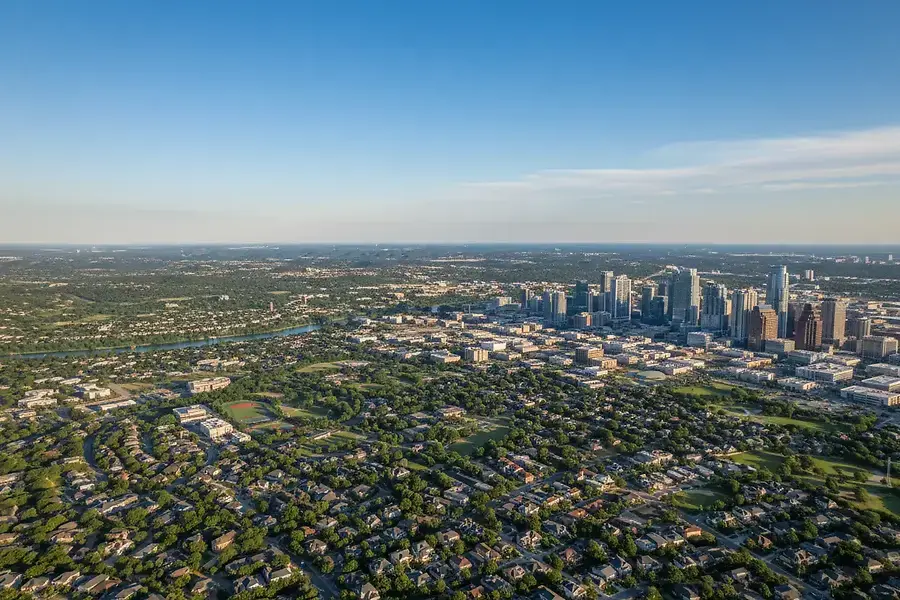
Why Austin Area Communities Are Growing Destinations
The Austin metropolitan area has become one of the most sought-after regions in the United States, attracting thousands of new residents each year. This growth isn't limited to the city proper—surrounding communities are experiencing unprecedented demand as people seek the perfect balance between urban convenience and suburban tranquility. Whether you're relocating for career opportunities, lifestyle changes, or simply seeking a fresh start, Austin's diverse neighborhoods offer something for everyone.
The region's appeal stems from a combination of factors: a robust job market, excellent schools, vibrant cultural scenes, and a generally favorable climate. Beyond these broad attractions, each neighborhood within the Austin metro brings its own unique character and advantages. Understanding what each community offers is essential for making an informed decision about where to plant your roots.
Exploring Austin's Diverse Neighborhoods: From Urban Centers to Peaceful Suburbs
Urban Core Communities
Downtown Austin and surrounding urban neighborhoods continue to attract young professionals and empty nesters who value walkability and cultural amenities. These areas feature trendy restaurants, live music venues, art galleries, and proximity to major employers. The energy and convenience of urban living come with higher price points, but many residents find the lifestyle worth the investment.
Neighborhoods like South Congress and East Austin have undergone significant revitalization, offering a mix of historic charm and modern development. These areas appeal to those who want to be in the heart of the action while enjoying authentic community experiences.
Established Suburban Communities
For families seeking excellent schools and spacious homes, established suburbs like Round Rock, Cedar Park, and Pflugerville offer mature neighborhoods with strong community infrastructure. These areas have developed over decades and feature:
- Top-rated school districts
- Well-maintained parks and recreation facilities
- Diverse housing options at various price points
- Strong sense of community and neighborhood pride
- Convenient access to shopping and dining
These communities have proven track records of stability and consistent property value appreciation, making them attractive to long-term homeowners.
Emerging Growth Areas
Newer communities on Austin's periphery, such as Leander, Dripping Springs, and areas along the I-35 corridor, are experiencing rapid development. These neighborhoods appeal to buyers seeking newer construction, modern amenities, and the opportunity to be part of a growing community. While these areas may lack the established infrastructure of older suburbs, they often feature planned communities with excellent amenities and forward-thinking development.
Hill Country Retreats
For those willing to venture slightly further from the urban core, Hill Country communities offer a more rural lifestyle while remaining within reasonable commuting distance. Areas like Wimberley, Marble Falls, and Blanco provide scenic beauty, larger lot sizes, and a slower pace of life—ideal for retirees and those seeking a country setting.
Key Factors That Drive Home Values Across the Greater Austin Region
Employment Opportunities
Austin's diverse economy—spanning technology, healthcare, education, and manufacturing—creates strong job markets throughout the metro area. Proximity to major employment centers significantly influences neighborhood desirability and home values. Communities with easy access to tech corridors or major employers tend to command premium prices.
School District Quality
For families with children, school district ratings are often the primary factor in choosing a neighborhood. Austin-area school districts vary significantly in their ratings and resources, directly impacting property values. Highly-rated districts consistently see stronger demand and appreciation.
Infrastructure and Development
The quality of roads, public transportation, utilities, and planned development projects influences both livability and investment potential. Communities with modern infrastructure and thoughtful planning tend to appreciate more steadily than those with aging systems or haphazard growth.
Amenities and Lifestyle Features
Access to parks, trails, shopping, dining, and entertainment venues significantly impacts neighborhood appeal. Austin's outdoor culture means that communities with excellent parks, hiking trails, and recreational facilities command strong interest. The presence of unique local businesses and cultural attractions also drives desirability.
Market Trends and Inventory
Like any real estate market, supply and demand dynamics play crucial roles in pricing. Neighborhoods with limited inventory and high demand typically see faster appreciation. Understanding current market trends in your target area is essential for making a sound investment.
Community Character and Demographics
The personality of a neighborhood—whether it's artsy and eclectic, family-focused, or upscale and established—attracts different buyer profiles. Communities that successfully maintain their character while evolving tend to retain strong property values and resident satisfaction.
Finding Your Perfect Fit in Austin's Thriving Real Estate Market
Relocating to the Austin metro area offers tremendous opportunity, but success requires careful consideration of your priorities and lifestyle preferences. Start by identifying what matters most to you: proximity to work, school quality, walkability, outdoor recreation, community feel, or investment potential.
Once you've clarified your priorities, explore multiple neighborhoods in person. Visit at different times of day to get a true sense of traffic patterns, noise levels, and community activity. Talk to current residents about their experiences and satisfaction with their neighborhoods.
Work with a knowledgeable local real estate agent who understands the nuances of different Austin-area communities. They can provide insights into market trends, neighborhood trajectories, and which areas align with your specific needs and budget.
The Austin metropolitan area's continued growth and diversity ensure that whether you're seeking urban excitement, suburban stability, or Hill Country serenity, you'll find a community that feels like home. By taking time to explore your options and understand what drives value in different neighborhoods, you'll be well-positioned to make a decision you'll be happy with for years to come.


