Relocating to the Outer Banks? Your Complete Residential Guide
Discover what to expect when moving to North Carolina's coastal communities and how to find your perfect home.
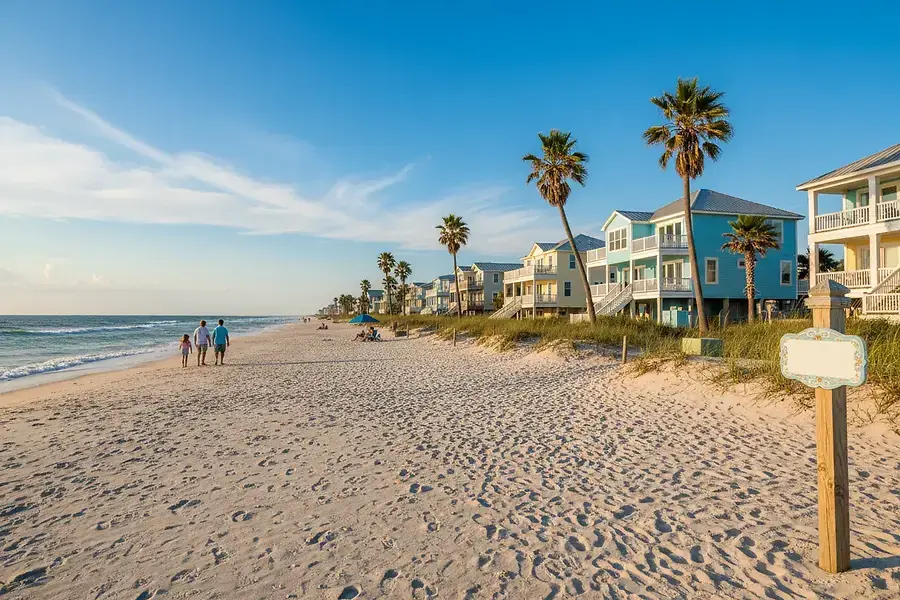
Understanding the Outer Banks Real Estate Market: Neighborhoods, Price Ranges, and Lifestyle Options
The Outer Banks has emerged as one of North Carolina's most desirable residential destinations, attracting families, retirees, and investors alike. Before making your move, it's essential to understand the diverse neighborhoods and what each offers.
Exploring Neighborhoods and Communities
The Outer Banks stretches across several barrier islands, each with its own character. Nags Head offers a vibrant beach town atmosphere with established infrastructure and family-friendly amenities. Kill Devil Hills provides a quieter residential feel while maintaining convenient access to shopping and dining. Kitty Hawk appeals to those seeking a more upscale, peaceful environment with excellent schools. Further south, Hatteras Island and Ocracoke offer a more remote, authentic coastal experience for those prioritizing solitude and natural beauty.
Price Ranges and Market Dynamics
Real estate prices in the Outer Banks vary significantly based on location, proximity to the ocean, and property type. Waterfront properties command premium prices, while sound-side and inland homes offer more affordable options for budget-conscious buyers. The market has remained competitive, with properties ranging from modest cottages under $300,000 to luxury oceanfront estates exceeding $2 million. Seasonal fluctuations affect both availability and pricing, with spring and summer typically seeing higher demand and prices.
Lifestyle Considerations
Moving to the Outer Banks means embracing a coastal lifestyle centered around water activities, outdoor recreation, and community connection. Consider your priorities:
- Beach Access: Proximity to public beaches and water sports opportunities
- Walkability: Some areas offer pedestrian-friendly communities; others require a car
- Seasonal Tourism: Summer months bring increased traffic and crowds
- Natural Hazards: Hurricane season and coastal erosion are important considerations
- Community Size: Choose between bustling beach towns or quieter, more secluded areas
Moving Day Logistics: Schools, Utilities, and Community Resources for New Residents
Educational Institutions
The Dare County Schools system serves the Outer Banks with several well-regarded elementary, middle, and high schools. Kill Devil Hills Elementary and Nags Head Elementary are popular choices for families with younger children. First Flight High School serves the northern beaches and maintains strong academic programs and athletic offerings. Research school ratings, class sizes, and specialized programs before selecting your neighborhood, as school quality often influences property values and community satisfaction.
Utilities and Infrastructure
Setting up utilities requires coordination with multiple providers. Contact Outer Banks Electric Membership Corporation for electricity, local water departments for water service, and various providers for internet and cable services. Many areas now offer high-speed fiber internet, essential for remote workers. Be prepared for higher utility costs than inland areas, particularly during summer months when air conditioning usage peaks. Some properties rely on septic systems rather than municipal sewer, requiring additional maintenance considerations.
Community Resources and Services
New residents should familiarize themselves with essential services and community resources:
- Healthcare: The Outer Banks Hospital and numerous medical clinics serve residents
- Shopping: The Outer Banks Mall and various shopping centers provide retail options
- Recreation: Public parks, nature preserves, and water sports facilities abound
- Libraries: Dare County Library system offers resources and community programs
- Government Services: Register vehicles and obtain driver's licenses at local DMV offices
Investment Potential: Why Outer Banks Properties Appeal to Both Primary Homebuyers and Investors
Strong Rental Market Opportunities
The Outer Banks attracts millions of tourists annually, creating exceptional rental income potential for property owners. Vacation rental properties generate substantial revenue, particularly during peak summer months and holiday periods. Property management companies handle bookings, maintenance, and guest relations, allowing owners to enjoy passive income without active involvement. Many investors achieve strong returns on investment through short-term rental programs.
Long-Term Appreciation and Stability
Beyond rental income, Outer Banks real estate has demonstrated consistent long-term appreciation. The region's popularity continues growing as more people seek coastal living and remote work flexibility. Limited land availability on the barrier islands supports property values, as does the area's status as a premier vacation destination. Primary homebuyers benefit from this appreciation while enjoying their coastal lifestyle.
Diversified Investment Strategies
Investors can pursue various strategies in the Outer Banks market:
- Vacation Rentals: Short-term rentals for maximum income potential
- Long-Term Rentals: Stable income from residential tenants
- Fix-and-Flip Projects: Purchase undervalued properties and renovate for resale
- Primary Residence: Combine personal enjoyment with property appreciation
- Commercial Properties: Invest in retail, hospitality, or service businesses
Making Your Move: Working with Local Real Estate Professionals to Settle Into Your New Home
Selecting the Right Real Estate Agent
A knowledgeable local real estate agent is invaluable when relocating to the Outer Banks. Look for agents with extensive experience in the specific neighborhoods you're considering, understanding of market trends, and connections within the community. Interview multiple agents before committing, asking about their sales history, client testimonials, and marketing strategies. The right agent will guide you through the buying process while providing insights into neighborhood characteristics, property values, and future development plans.
Understanding Local Regulations and Considerations
The Outer Banks has unique regulations affecting property ownership and development. Coastal Area Management Act (CAMA) rules govern construction and land use near the ocean. Flood insurance is mandatory for properties in flood zones, significantly impacting annual costs.
Understanding these regulations before purchasing ensures you avoid unexpected expenses and complications.Your real estate agent and a local attorney can clarify these requirements.
Building Community Connections
Successfully settling into your new Outer Banks home extends beyond the purchase. Attend community events, join local organizations, and participate in neighborhood associations. The Outer Banks Chamber of Commerce offers networking opportunities and business resources. Volunteer with local nonprofits, join clubs aligned with your interests, and explore the vibrant cultural scene. These connections transform your house into a true home and enrich your coastal living experience.
Relocating to the Outer Banks represents an exciting opportunity to embrace coastal living while building equity in a thriving real estate market. By understanding the neighborhoods, preparing for logistics, recognizing investment potential, and working with experienced professionals, you'll ensure a smooth transition to your new North Carolina home. Welcome to the Outer Banks!


