Relocating to the Texas Panhandle: What Residential Buyers Need to Know
A comprehensive guide to understanding neighborhoods, costs, and lifestyle factors when moving to Amarillo, Dumas, Hereford, and surrounding communities.

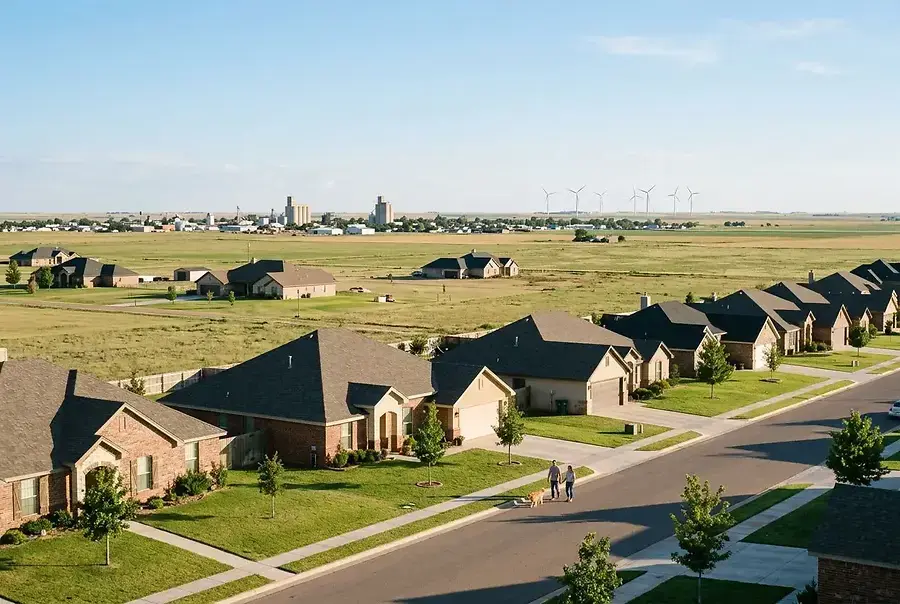
Understanding the Texas Panhandle Residential Market: Overview of Communities and Price Ranges
The Texas Panhandle has emerged as an increasingly attractive destination for residential buyers seeking affordable housing, strong community values, and a slower pace of life. The region, anchored by Amarillo as the largest metropolitan area, offers diverse opportunities for homebuyers at various price points and lifestyle preferences.
Amarillo, with a population exceeding 200,000, serves as the economic and cultural hub of the Panhandle. The median home price in Amarillo ranges from $250,000 to $350,000, making it accessible for first-time homebuyers while offering luxury options for those seeking premium properties. The city boasts diverse neighborhoods, from established residential areas near downtown to newer suburban developments on the outskirts.
Dumas and Hereford represent smaller, tight-knit communities with populations around 15,000 each. These towns offer significantly lower median home prices, typically ranging from $150,000 to $250,000, attracting buyers seeking affordability and small-town charm. Both communities have experienced steady growth due to agricultural and industrial development.
Surrounding communities and rural areas provide even more affordable options, with properties available below $150,000, though these often require longer commutes to major employment centers.
Key Factors That Affect Home Values: Location, Schools, Amenities, and Growth Potential
School Districts and Education
School quality significantly impacts property values across the Panhandle. Amarillo Independent School District is the largest in the region, with multiple highly-rated schools. Dumas and Hereford also maintain strong school systems that serve as anchors for their communities. Families relocating to the area should research specific school ratings and programs, as proximity to quality schools can increase home values by 10-15%.
Location and Proximity to Employment
Employment opportunities drive residential demand in the Panhandle. Amarillo's diverse economy includes healthcare, retail, education, and technology sectors. Dumas and Hereford benefit from agricultural and energy industries. Homes closer to major employment centers command premium prices, while properties in rural areas offer affordability but may require 30-45 minute commutes.
Amenities and Lifestyle Features
The availability of amenities influences both home values and quality of life:
- Parks and Recreation: Amarillo offers extensive parks, trails, and recreational facilities. Smaller towns provide community centers and outdoor spaces.
- Shopping and Dining: Amarillo has comprehensive retail and restaurant options, while smaller communities offer essential services with limited specialty shopping.
- Healthcare: Amarillo hosts major medical facilities; smaller towns have clinics with specialist access in Amarillo.
- Cultural Activities: Amarillo features museums, theaters, and events; smaller communities emphasize local festivals and gatherings.
Growth Potential and Development Trends
The Panhandle is experiencing renewed interest from businesses and residents. Renewable energy projects, particularly wind farms, are driving economic growth and attracting workers. New residential developments are emerging on Amarillo's north and east sides, while Dumas and Hereford are expanding their housing stock to accommodate population growth. Properties in areas with planned development typically appreciate faster than stagnant areas.
Comparing Neighborhoods: Which Texas Panhandle Towns Fit Your Lifestyle and Budget
Amarillo: Urban Convenience with Suburban Options
Amarillo offers something for everyone. Downtown and midtown neighborhoods appeal to those seeking walkability and urban amenities. West Amarillo features newer, upscale developments with modern homes and excellent schools. North Amarillo provides family-friendly neighborhoods with good value. East Amarillo offers more affordable options with ongoing revitalization efforts.
Best for: Professionals, families, and retirees seeking urban conveniences and diverse housing options.
Dumas: Agricultural Heritage Meets Modern Growth
Dumas maintains its agricultural roots while embracing modern development. The town center offers historic charm, while newer subdivisions provide contemporary homes. The community is known for its strong sense of belonging and family-oriented atmosphere.
Best for: Families and agricultural professionals seeking affordability and tight-knit community connections.
Hereford: Small-Town Living with Big-Town Amenities
Hereford balances small-town character with surprising amenities. The community has invested in infrastructure and services, making it increasingly attractive to remote workers and retirees. Properties offer excellent value with lower price points than Amarillo.
Best for: Remote workers, retirees, and those prioritizing affordability and community engagement.
Rural and Surrounding Areas
Properties outside these towns offer acreage, privacy, and minimal restrictions. These areas appeal to those seeking agricultural lifestyles or complete privacy, though they require self-sufficiency regarding utilities and services.
Best for: Hobby farmers, those seeking privacy, and individuals with flexible work arrangements.
Making Your Move: Essential Steps for Purchasing Residential Property in the Panhandle
Step 1: Get Pre-Approved for Financing
Before house hunting, obtain mortgage pre-approval from a lender. This demonstrates your buying power to sellers and accelerates the closing process. Panhandle lenders are familiar with local property values and can offer competitive rates.
Step 2: Work with a Local Real Estate Agent
A knowledgeable local agent understands neighborhood nuances, market trends, and community characteristics. They can identify properties matching your criteria and negotiate favorable terms. The Panhandle real estate market moves quickly, and local expertise is invaluable.
Step 3: Conduct Thorough Property Inspections
Always hire a professional home inspector to evaluate structural integrity, systems, and potential issues. In the Panhandle, pay special attention to:
- Wind damage and roof condition (high winds are common)
- Foundation stability in areas with clay soil
- Water well and septic system functionality (in rural areas)
- HVAC system efficiency for extreme temperatures
Step 4: Understand Local Regulations and Taxes
Property taxes in the Panhandle vary by county and school district. Research local zoning regulations, HOA requirements, and any deed restrictions. Texas has no state income tax, making it financially attractive for many relocators.
Step 5: Plan Your Timeline and Logistics
Moving to the Panhandle requires planning for climate adaptation, utility setup, and community integration. Schedule your move during favorable weather, arrange utility connections in advance, and plan visits to introduce yourself to the community.
Final Thoughts: The Texas Panhandle offers diverse residential opportunities for buyers at every stage of life. Whether you're drawn to Amarillo's urban amenities or the small-town charm of Dumas and Hereford, careful research and professional guidance will help you find the perfect home in this dynamic region.


