Remote Work & Home Office: Creating Spaces in Staten Island & NJ
Design your ideal work-from-home environment with these practical tips for modern residential living.

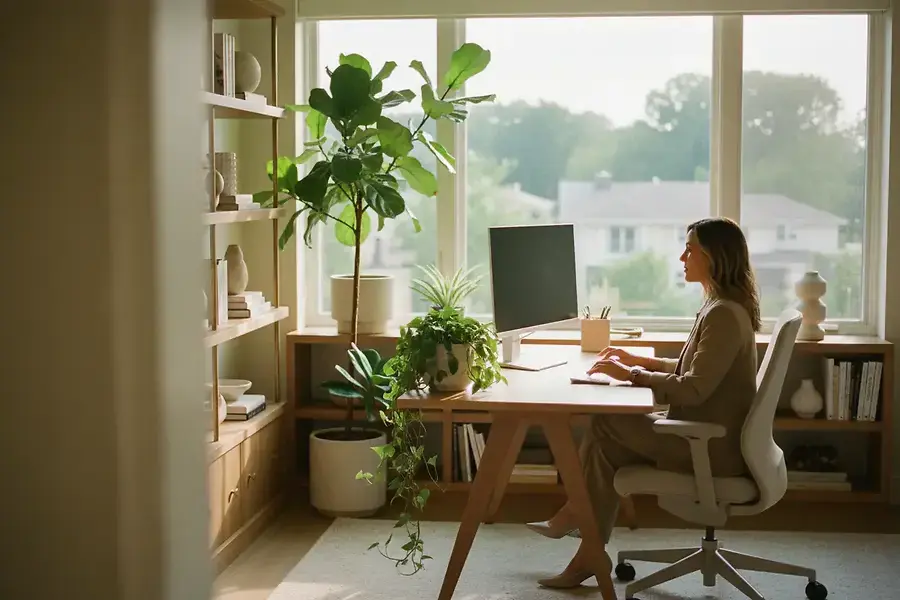
The Rise of Remote Work and Residential Needs
The landscape of work has fundamentally transformed over the past few years, with remote work becoming a permanent fixture in many industries. Whether you're a full-time remote employee, a freelancer, or someone who works from home occasionally, the need for a dedicated workspace has never been more critical. In the New York metropolitan area, particularly in Staten Island and New Jersey, homeowners and renters are increasingly prioritizing functional home offices as essential features of their living spaces.
Creating an effective home office isn't just about having a desk and a chair. It's about designing an environment that supports productivity, maintains work-life balance, and reflects your personal style. With the right approach, your home office can become a sanctuary for focused work while seamlessly integrating into your living space.
Assessing Your Space: Square Footage and Layout Considerations for Home Offices
Finding the Right Location
The first step in creating your ideal home office is identifying the best location within your home. Consider these factors:
- Quiet zones: Choose a room or area away from high-traffic household spaces and noise sources like kitchens or living rooms.
- Dedicated space: If possible, use a separate room. If not, a corner of a bedroom or living room can work with proper partitioning.
- Proximity to utilities: Ensure easy access to electrical outlets and internet connectivity.
- Privacy: Select a location where you can close a door or create visual separation for video calls and focused work.
Space Planning and Layout
Whether you have a sprawling home office or a compact corner workspace, efficient layout is essential. For smaller spaces in Staten Island and New Jersey apartments or homes, consider these strategies:
- Use vertical storage solutions to maximize limited square footage
- Invest in multi-functional furniture that serves dual purposes
- Keep your desk facing the door or window for better focus and psychological comfort
- Maintain at least 2-3 feet of clearance around your workspace for movement
Measuring and Planning
Before purchasing furniture, measure your space carefully. A typical home office requires a minimum of 50-75 square feet for comfortable functionality. This allows room for a desk, chair, storage, and movement. If you're working with less space, prioritize a quality desk and ergonomic chair—these are your most important investments.
Design Elements: Natural Light, Ergonomics, and Productivity in Your New Jersey or Staten Island Home
Harnessing Natural Light
Natural light is one of the most powerful tools for productivity and well-being. Studies show that exposure to natural light improves mood, reduces eye strain, and boosts overall work performance. When setting up your home office:
- Position your desk near a window when possible, but avoid direct glare on your screen
- Use sheer curtains or blinds to control light intensity throughout the day
- If natural light is limited, invest in full-spectrum LED lighting that mimics daylight
- Supplement with task lighting for focused work areas
Ergonomic Essentials
Spending hours at a desk requires proper ergonomic setup to prevent strain and injury. Your physical comfort directly impacts your productivity and long-term health. Here are the key elements:
- Chair: Invest in an ergonomic office chair with adjustable height, lumbar support, and armrests. Your feet should rest flat on the floor with knees at a 90-degree angle.
- Desk height: Your desk should be at a height where your elbows are at 90 degrees when typing. Standard desk height is 28-30 inches.
- Monitor placement: Position your monitor at arm's length away, with the top of the screen at or slightly below eye level.
- Keyboard and mouse: Keep these at the same height as your desk, allowing your wrists to remain neutral and straight.
- Footrest: If your feet don't touch the floor comfortably, use a footrest to maintain proper posture.
Color, Texture, and Atmosphere
The aesthetic elements of your workspace influence your mood and motivation. Consider these design choices:
- Color psychology: Blues and greens promote calm and focus, while warm neutrals create a welcoming atmosphere. Avoid overly bright or distracting colors.
- Plants and greenery: Adding plants improves air quality and creates a more pleasant environment. Low-maintenance options like pothos or snake plants work well in offices.
- Minimal clutter: A clean workspace reduces mental distraction. Use storage solutions to keep supplies organized and out of sight.
- Personal touches: Include a few meaningful items—photos, artwork, or motivational quotes—to make the space feel personal without overwhelming it.
Technology and Connectivity
Reliable technology infrastructure is non-negotiable for remote work. Ensure your home office includes:
- High-speed internet connection with backup options
- Adequate electrical outlets and surge protection
- Quality webcam and microphone for video calls
- Noise-canceling headphones for focus and professionalism
- Proper cable management to maintain a clean appearance
Acoustic Considerations
Sound management is often overlooked but crucial for productivity and professional video calls.
A quiet workspace allows for deeper focus and ensures you're heard clearly during virtual meetings.Consider adding soft furnishings like rugs, curtains, or acoustic panels to absorb sound and reduce echo.
Conclusion: Finding Your Perfect Home Office Haven in the New York Metropolitan Area
Creating an effective home office in Staten Island or New Jersey is about balancing functionality with comfort and style. By carefully assessing your available space, implementing ergonomic principles, and thoughtfully designing your environment, you can build a workspace that supports both productivity and well-being.
Remember that your home office should evolve with your needs. Start with the essentials—a quality chair, proper desk height, and good lighting—then gradually add elements that enhance your specific work style. Whether you're managing a full-time remote position or occasional work-from-home days, investing in your workspace is an investment in your professional success and personal health.
Your ideal home office awaits. Take the time to design a space that works for you, and you'll find that productivity, focus, and job satisfaction naturally follow.


