Remote Work Housing Trends Reshaping Urban Real Estate Markets
Discover how flexible work arrangements are driving demand for homes in major U.S. cities and creating new opportunities for savvy real estate investors.

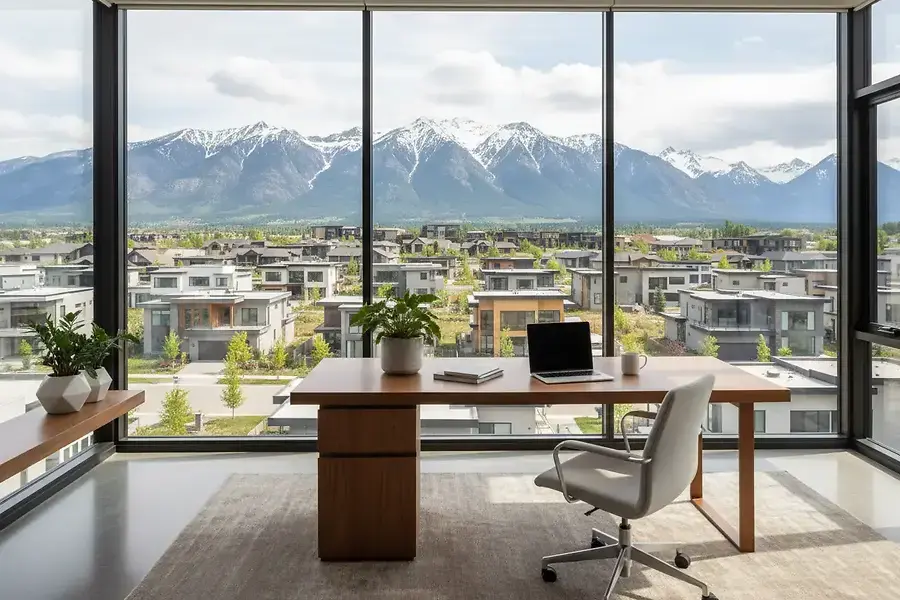
The Remote Work Revolution and Its Impact on Housing Demand
The landscape of American work has undergone a seismic shift. What once seemed like a temporary pandemic-era experiment has evolved into a permanent fixture of modern employment. Remote work has fundamentally altered where and how people choose to live, creating unprecedented opportunities in the real estate market. No longer tethered to expensive urban centers, professionals are seeking homes that offer better value, more space, and improved quality of life.
This transformation has sent ripples through the housing market, with demand surging in secondary and tertiary cities while traditional real estate hotspots experience shifts in buyer demographics. For real estate professionals and investors, understanding these trends is essential to capitalizing on the opportunities ahead.
How Flexible Work Arrangements Are Changing Where People Choose to Live
The Exodus from High-Cost Urban Centers
Major metropolitan areas that once commanded premium prices are experiencing a recalibration. Professionals earning six-figure salaries no longer feel compelled to pay exorbitant prices for cramped apartments when they can work from anywhere. This shift has created a domino effect, with talented workers relocating to cities that offer:
- More affordable housing options with greater square footage
- Lower cost of living and reduced tax burdens
- Access to outdoor recreation and natural amenities
- Stronger sense of community and quality of life
- Better schools and family-friendly neighborhoods
The Rise of Hybrid Work Models
While some companies have embraced fully remote arrangements, many have adopted hybrid models requiring employees to visit offices periodically. This flexibility has created a new category of homebuyers: those seeking properties within reasonable commuting distance of major employment hubs. Suburban and exurban areas surrounding major cities have seen explosive growth as professionals seek the best of both worlds—proximity to job centers with the affordability and space of smaller communities.
Lifestyle and Wellness Priorities
The pandemic accelerated a broader cultural shift toward prioritizing health, wellness, and work-life balance. Remote workers are increasingly drawn to properties that support these values, including homes with dedicated office spaces, outdoor areas, and proximity to parks, gyms, and recreational facilities.
The modern homebuyer isn't just purchasing a house—they're investing in a lifestyle that supports their professional and personal aspirations.
Investment Opportunities in High-Demand Markets: Dallas, Denver, Austin, and Beyond
Dallas: The Tech Hub of the South
Dallas has emerged as one of America's most attractive destinations for remote workers and tech professionals. With no state income tax, a booming job market, and affordable housing compared to coastal cities, Dallas continues to attract major corporate relocations and talented workers. Real estate investors are finding strong returns in both residential and mixed-use developments, particularly in neighborhoods like Uptown, Deep Ellum, and emerging areas in the suburbs.
Denver: Mountain Living Meets Urban Convenience
Denver's combination of outdoor recreation, vibrant culture, and strong economic fundamentals has made it a magnet for remote workers seeking an active lifestyle. The city's growing tech sector, coupled with its natural beauty and relatively affordable housing compared to West Coast alternatives, creates compelling investment opportunities. Neighborhoods like RiNo and South Pearl Street are experiencing revitalization, while suburban markets offer strong appreciation potential.
Austin: The Live Music Capital's Real Estate Boom
Austin's reputation as a creative and entrepreneurial hub, combined with its no-state-income-tax advantage, has fueled explosive growth. The city has consistently ranked among the fastest-growing metropolitan areas in the nation, attracting remote workers, startups, and established tech companies alike. While prices have risen significantly, strategic investors continue to find opportunities in emerging neighborhoods and surrounding communities.
Beyond the Big Three
Smart investors are also looking beyond the most obvious markets. Secondary cities like Nashville, Charlotte, Phoenix, and Raleigh are experiencing similar trends with potentially higher appreciation potential. These markets offer:
- Lower entry prices for investors
- Strong population growth and job creation
- Less competition from institutional investors
- Emerging neighborhoods with significant upside potential
- Diverse economic bases reducing market vulnerability
Conclusion: Positioning Your Real Estate Practice for the Future of Work-From-Home Living
The remote work revolution represents one of the most significant shifts in real estate markets in recent decades. Real estate professionals who understand these trends and adapt their strategies accordingly will thrive in this new landscape. Success requires staying informed about migration patterns, understanding the preferences of remote workers, and identifying emerging markets before they become saturated.
For investors, the key is to move beyond conventional wisdom and recognize that the best opportunities often lie in secondary markets experiencing rapid transformation. For agents, specializing in remote-worker demographics and understanding the lifestyle factors that drive their decisions can provide a competitive edge.
The future of real estate belongs to those who recognize that where people work is no longer where they must live. By embracing this reality and positioning your practice accordingly, you can capitalize on one of the most dynamic shifts in the American housing market.


