Reno Commercial Real Estate: Zoning Laws Every Investor Should Know
Master the zoning regulations that directly impact your commercial property investment returns in Reno.

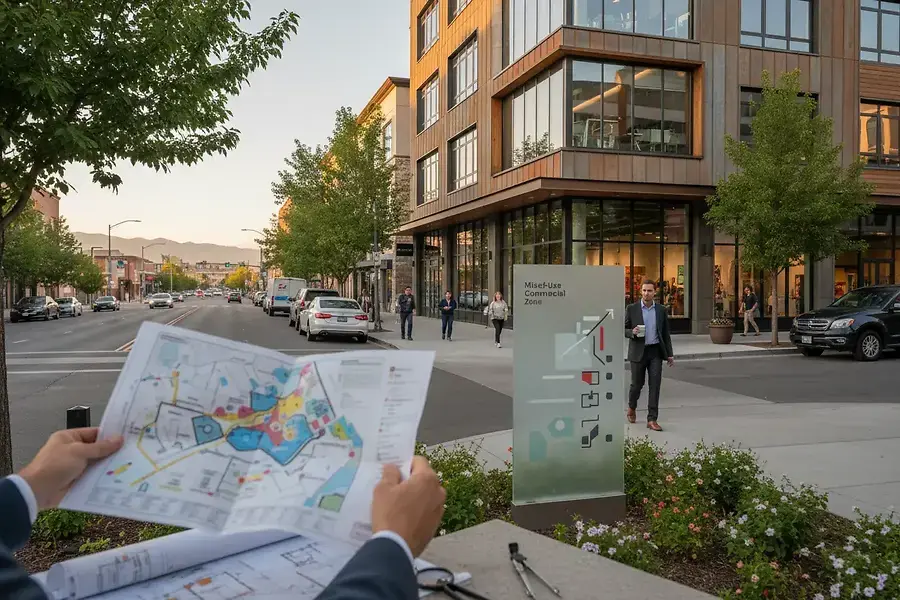
Understanding Reno's Commercial Zoning Districts and Their Business Applications
Reno's commercial real estate landscape is shaped by a comprehensive zoning system designed to organize land use and promote sustainable development. The city divides commercial properties into distinct zoning districts, each with specific regulations governing what types of businesses can operate and how properties can be developed.
The Primary Commercial Zoning Categories
Reno features several key commercial zoning districts that investors must understand. Downtown Commercial (DC) zones are located in the heart of Reno and typically allow mixed-use developments, retail operations, office spaces, and entertainment venues. These areas are ideal for investors seeking high foot traffic and urban density.
General Commercial (GC) zones accommodate a broader range of businesses, including shopping centers, restaurants, automotive services, and professional offices. These districts offer more flexibility than downtown zones and are often found along major corridors throughout the city.
Neighborhood Commercial (NC) zones serve local communities with smaller-scale retail and service businesses. These areas are designed to minimize traffic impacts and maintain neighborhood character while providing convenient shopping and services.
Special Commercial Districts and Their Opportunities
Beyond standard commercial zones, Reno has developed specialized districts for specific industries. Industrial Commercial (IC) zones support manufacturing, warehousing, and distribution operations. These areas typically feature larger lot sizes and are positioned near transportation corridors.
The Technology and Innovation District represents Reno's forward-thinking approach to commercial zoning. This specialized area encourages tech companies, research facilities, and startup incubators with favorable regulations and incentives.
How Zoning Restrictions Affect Property Value and Development Potential
The Direct Impact on Investment Returns
Zoning regulations fundamentally determine what you can do with a commercial property, directly affecting its income-generating potential and resale value. A property zoned for retail will command different prices and rental rates than an identically located property zoned for office use.
Understanding zoning restrictions helps investors:
- Identify properties with the highest income potential for their intended use
- Avoid purchasing properties with limited development options
- Anticipate future market trends based on zoning patterns
- Calculate accurate return on investment projections
- Negotiate better purchase prices by understanding true development potential
Zoning and Property Valuation
Professional appraisers heavily weight zoning classifications when determining property values. A commercial property in a high-demand zone with minimal restrictions will typically appraise higher than a similar property in a restrictive zone. This means your zoning knowledge directly impacts financing options and equity calculations.
Properties near zoning boundaries present unique opportunities and risks. A property just outside a premium commercial zone might offer lower acquisition costs while still providing development potential if zoning changes occur.
Development Potential and Future Growth
Zoning regulations also dictate building height limits, setback requirements, parking ratios, and density restrictions. These factors significantly influence development costs and feasibility. A property zoned for five-story buildings will generate more revenue potential than one limited to two stories, even if land costs are identical.
Savvy investors monitor Reno's comprehensive plan and zoning amendment proposals to identify areas likely to experience zoning changes that could dramatically increase property values.
Navigating Zoning Variances and Conditional Use Permits in Reno
Understanding Zoning Variances
A zoning variance allows property owners to deviate from standard zoning requirements when strict compliance creates undue hardship. Variances are not guaranteed and require approval from Reno's Planning Commission and City Council.
Common variance requests include:
- Reduced setback distances for building placement
- Increased building height beyond zoning limits
- Reduced parking requirements
- Modified lot coverage percentages
- Adjusted sign dimensions and placement
Obtaining a variance requires demonstrating that the property has unique characteristics making strict zoning compliance impossible or unreasonably burdensome. The process typically takes 60-90 days and involves public hearings where neighbors can voice concerns.
Conditional Use Permits Explained
Conditional Use Permits (CUPs) allow specific uses that aren't automatically permitted in a zone but are considered compatible with the area under certain conditions. Unlike variances, CUPs don't modify zoning requirements—they simply authorize particular uses.
Examples of uses requiring CUPs include:
- Alcohol service establishments in certain zones
- Adult-oriented businesses
- Gas stations in commercial districts
- Drive-through facilities
- Outdoor storage areas
CUP approval typically requires demonstrating that the proposed use won't negatively impact surrounding properties and that specific conditions can mitigate potential concerns.
Strategic Approaches to Variance and CUP Applications
Successful variance and CUP applications require thorough preparation. Engage with city planning staff early in the process to understand requirements and identify potential obstacles. Professional planning consultants can significantly improve approval odds by presenting compelling justifications and addressing community concerns proactively.
Document everything: gather property surveys, traffic studies, environmental assessments, and letters of support from neighboring property owners. Professional presentation matters—well-prepared applications move through the approval process more smoothly.
Conclusion: Making Informed Commercial Investment Decisions Based on Zoning
Zoning regulations form the foundation of successful commercial real estate investing in Reno. By thoroughly understanding zoning districts, restrictions, and modification processes, investors can identify undervalued opportunities, accurately project returns, and navigate the approval process for specialized uses.
Before committing capital to any commercial property, conduct comprehensive zoning due diligence. Review the property's current zoning classification, examine the comprehensive plan for potential changes, and consult with planning professionals about development feasibility. This foundational work separates successful investors from those who encounter costly surprises after purchase.
Reno's dynamic commercial real estate market rewards investors who master zoning regulations. Whether you're developing a new project, repositioning an existing property, or simply seeking the best investment returns, zoning knowledge is non-negotiable. Take time to understand these regulations thoroughly—your investment returns depend on it.