Renovating Historic Haddonfield Homes: Complete Planning Guide
Navigate the renovation process in Haddonfield's historic neighborhoods with expert guidance on permits, timelines, and preserving architectural character.

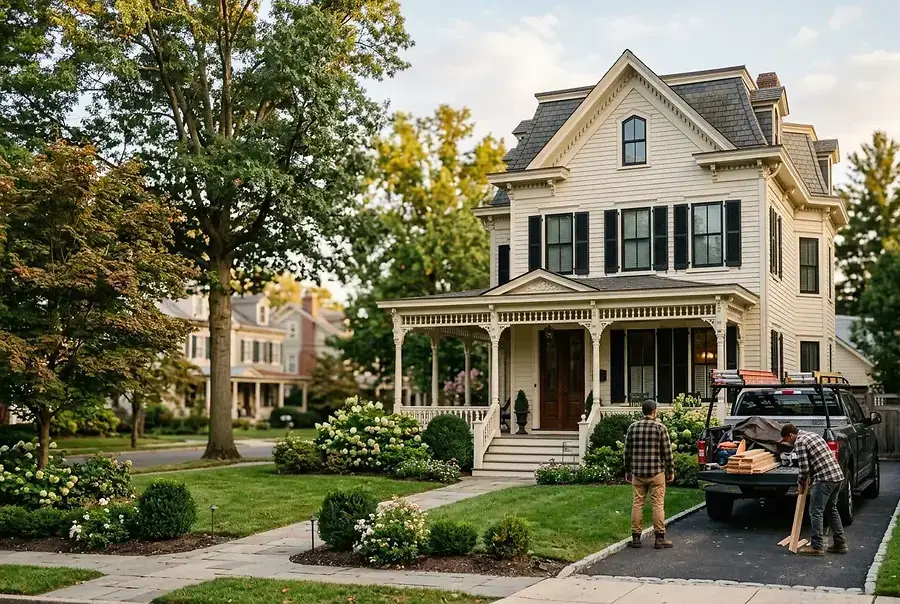
Understanding Haddonfield's Historic Preservation Requirements
Haddonfield's historic neighborhoods are treasured for their architectural significance and charm. Before beginning any renovation project, it's essential to understand the local preservation guidelines that protect these properties. The Haddonfield Historic Preservation Commission oversees all modifications to homes within designated historic districts.
Know Your Historic District Status
First, determine whether your property falls within a historic district. Properties in these areas require approval before making exterior changes, including roof repairs, window replacements, siding modifications, and landscaping alterations. This approval process is mandatory and cannot be skipped, regardless of the project's scope.
The Approval Process
The Historic Preservation Commission reviews applications based on architectural compatibility and historical accuracy. You'll need to submit detailed plans showing:
- Photographs of the existing structure
- Detailed drawings of proposed changes
- Material specifications and color samples
- Architectural documentation supporting your design choices
The review process typically takes 4-6 weeks. Plan accordingly and submit applications early in your project timeline to avoid delays.
Budgeting and Planning Your Renovation Project
Historic home renovations require careful financial planning. These properties often present unexpected challenges that can impact your budget.
Account for Hidden Costs
Historic homes frequently contain outdated systems, structural issues, and materials that require specialized handling. Budget an additional 15-25% beyond your initial estimates for unforeseen complications. Common discoveries include:
- Outdated electrical and plumbing systems requiring complete replacement
- Structural damage from age or previous repairs
- Asbestos or lead paint requiring professional remediation
- Foundation issues needing specialized attention
Prioritize Your Projects
Create a phased approach to your renovation. Address critical structural and safety issues first, then move to aesthetic improvements. This strategy helps manage costs and allows you to live in your home during the renovation process if needed.
Work with Experienced Professionals
Hire contractors who have specific experience with historic homes. They understand preservation standards, local requirements, and how to work with older materials and construction methods. Request references from previous historic renovation projects and verify their familiarity with Haddonfield's guidelines.
Working with Contractors and Managing the Timeline
Successful renovations depend on clear communication and realistic timelines.
Establish Clear Expectations
Your contract should include:
- Detailed scope of work with specific materials and methods
- Timeline with milestone dates and completion deadlines
- Payment schedule tied to project milestones
- Contingency plans for unexpected discoveries
- Warranty information for completed work
A well-written contract protects both you and your contractor, ensuring everyone understands expectations and responsibilities.
Plan for Realistic Timelines
Historic renovations take longer than modern construction. Factor in time for:
- Historic Preservation Commission reviews and approvals
- Specialized material sourcing and ordering
- Unexpected structural or system discoveries
- Weather delays and seasonal considerations
A project initially estimated at 3 months may realistically take 5-7 months. Building in buffer time prevents frustration and maintains quality standards.
Regular Communication and Site Visits
Schedule weekly check-ins with your contractor. Visit the site regularly to monitor progress and address concerns immediately. Document all decisions and changes in writing to avoid misunderstandings.
Protecting Your Investment While Honoring Local Heritage
The goal of historic home renovation is balancing modern comfort with architectural preservation.
Preserve Original Character Elements
Maintain distinctive features that define your home's historic character:
- Original hardwood floors and trim work
- Historic windows and door frames
- Architectural details like crown molding and cornices
- Original exterior materials and color schemes
When replacement is necessary, match original materials and designs as closely as possible. This approach maintains property value and respects the home's historical significance.
Integrate Modern Systems Thoughtfully
Modern conveniences can be incorporated without compromising historic integrity. Hide updated electrical, plumbing, and HVAC systems within walls or existing spaces. Use period-appropriate fixtures and finishes that complement the home's original aesthetic.
Document Your Work
Keep detailed records of your renovation project, including:
- Before and after photographs
- Contractor invoices and warranties
- Historic Preservation Commission approvals
- Material specifications and sourcing information
This documentation increases your home's value and provides valuable information for future owners.
Consider Tax Incentives
Historic home renovations may qualify for federal tax credits and local incentives. Research available programs that can offset renovation costs while supporting historic preservation efforts in your community.
Renovating a historic Haddonfield home is a rewarding investment that preserves community character while creating your ideal living space. By understanding local requirements, planning carefully, and working with experienced professionals, you can navigate the renovation process successfully while honoring the architectural heritage that makes Haddonfield special.


