Renovating Historic Homes in Cape May: Preserving Character While Adding Modern Value
Learn how to upgrade your Victorian property without losing its architectural charm and investment appeal.

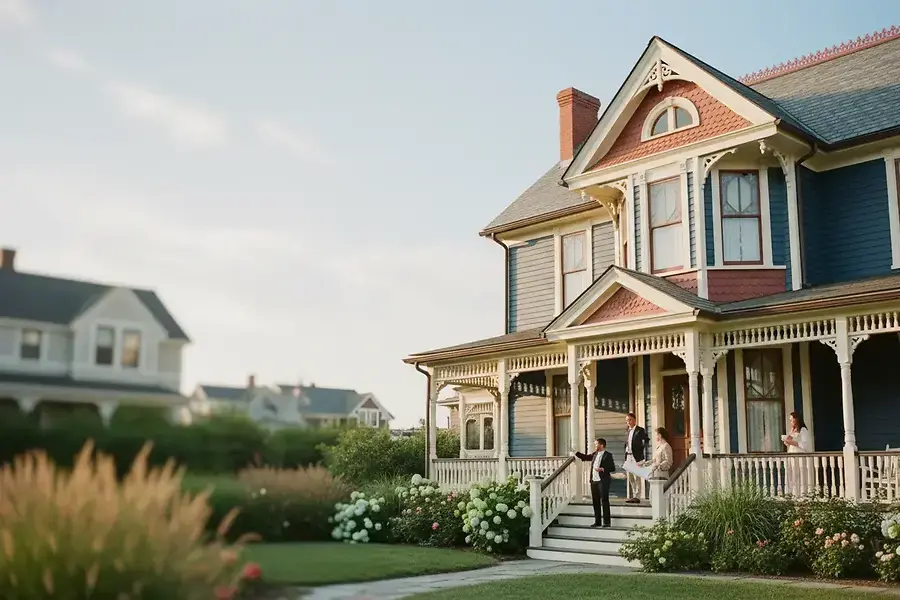
Understanding Cape May's Historic Preservation Guidelines and Requirements
Cape May, with its stunning collection of Victorian architecture, operates under strict historic preservation guidelines designed to protect the town's unique character and heritage. Before undertaking any renovation project, homeowners must understand these requirements to ensure compliance and avoid costly mistakes.
The Cape May Historic Preservation Commission oversees all exterior modifications and significant interior changes. Any work visible from the street requires approval, including paint colors, window replacements, roofing materials, and landscaping changes. This means that even seemingly minor updates need careful planning and documentation.
Key Preservation Principles
- Authenticity First: Restoration should prioritize original materials and design elements whenever possible
- Reversibility: Modifications should be reversible, allowing future owners to restore original features if desired
- Minimal Intervention: Make only necessary changes to preserve the home's historic fabric
- Documentation: Keep detailed records of all changes and original features
Understanding these guidelines early in your planning process will save time, money, and frustration. The Commission typically reviews applications within 30 days, but complex projects may require additional time for consultation and revision.
Strategic Renovations That Increase Property Value While Maintaining Period Authenticity
The key to successful historic home renovation lies in identifying upgrades that enhance functionality and value without compromising architectural integrity. Smart homeowners focus on improvements that are both historically appropriate and practically beneficial.
Interior Upgrades with Historic Appeal
Modern kitchens and bathrooms are essential for contemporary living, but they can be designed to complement Victorian aesthetics. Consider period-appropriate fixtures, vintage-inspired hardware, and color palettes that echo the home's original era. Updating electrical systems, plumbing, and HVAC infrastructure is crucial for safety and comfort while remaining largely invisible to the eye.
Refinishing original hardwood floors, restoring ornamental plasterwork, and repainting with historically accurate colors can dramatically enhance interior appeal. These projects often provide excellent returns on investment while preserving the home's character.
Exterior Enhancements
The exterior is your home's first impression and requires careful attention to preservation standards. Roof replacements should use period-appropriate materials, such as slate or architectural shingles that mimic historic patterns. Window restoration—rather than replacement—is often preferred, though energy-efficient storm windows can be added discreetly.
"The most valuable renovations are those that respect the home's original design while meeting modern living standards. Buyers of historic homes expect both authenticity and functionality."
Porch repairs, fence restoration, and landscaping improvements can significantly boost curb appeal. These projects are often more affordable than major structural work and yield impressive visual results.
Smart Technology Integration
Modern conveniences don't have to clash with historic design. Wireless security systems, smart thermostats, and updated lighting can be installed discreetly without visible modifications. The key is concealment—hiding modern technology behind walls, in closets, or within period-appropriate fixtures.
Navigating Permits, Contractors, and Budgeting for Historic Home Updates
Successfully completing a historic home renovation requires careful planning, the right team, and realistic budgeting. This phase separates successful projects from costly disasters.
Permit and Approval Process
Begin by submitting detailed plans to the Historic Preservation Commission. Include photographs of existing conditions, architectural drawings, material samples, and color specifications. Professional architectural drawings are often necessary for approval, particularly for exterior work or structural changes.
Allow adequate time for the review process. Rushing this stage often results in rejected applications and delays. Building permits from the municipal government are separate from historic preservation approval—both are required.
Finding the Right Contractors
Experience with historic homes is essential. Look for contractors who:
- Have completed similar projects in Cape May or comparable historic districts
- Understand preservation standards and can work within them
- Provide references from previous historic home clients
- Demonstrate knowledge of period-appropriate materials and techniques
- Communicate clearly about timelines and potential complications
Specialized contractors for historic restoration may cost more initially but typically deliver superior results and fewer complications.
Realistic Budgeting
Historic home renovations typically cost 15-25% more than comparable modern construction due to specialized labor, period materials, and unforeseen complications. Budget conservatively and include a contingency reserve of 20-30% for unexpected issues.
Prioritize projects based on necessity and return on investment. Essential systems—electrical, plumbing, HVAC—should be addressed first. Cosmetic improvements can be phased over time. Obtain detailed written estimates from multiple contractors and ensure all quotes include materials, labor, and timeline.
Financing Options
Several financing programs support historic home renovation:
- Historic Preservation Tax Credits: Federal and state programs offer tax incentives for qualified rehabilitation work
- Home Equity Lines of Credit: Flexible financing for phased projects
- Specialized Historic Home Loans: Some lenders offer favorable terms for documented historic properties
Conclusion: Balancing Restoration with Modern Living Standards
Renovating a historic home in Cape May is a rewarding endeavor that requires patience, knowledge, and respect for architectural heritage. The most successful projects balance preservation principles with practical modern needs, creating homes that honor the past while serving contemporary lifestyles.
By understanding preservation guidelines, making strategic renovation choices, and assembling the right team, you can enhance your property's value and livability without compromising its historic character. The result is a home that appeals to discerning buyers, maintains its investment value, and contributes to Cape May's enduring architectural legacy.
Remember that renovation is a journey, not a race. Taking time to plan carefully, seek expert guidance, and execute thoughtfully will ensure your Victorian gem remains beautiful for generations to come.


