Renovating Historic Homes in Hopewell, VA: A Practical Guide
Learn how to preserve charm while modernizing your classic Hopewell residence with smart renovation strategies.

Understanding Hopewell's Historic Architecture and Building Codes
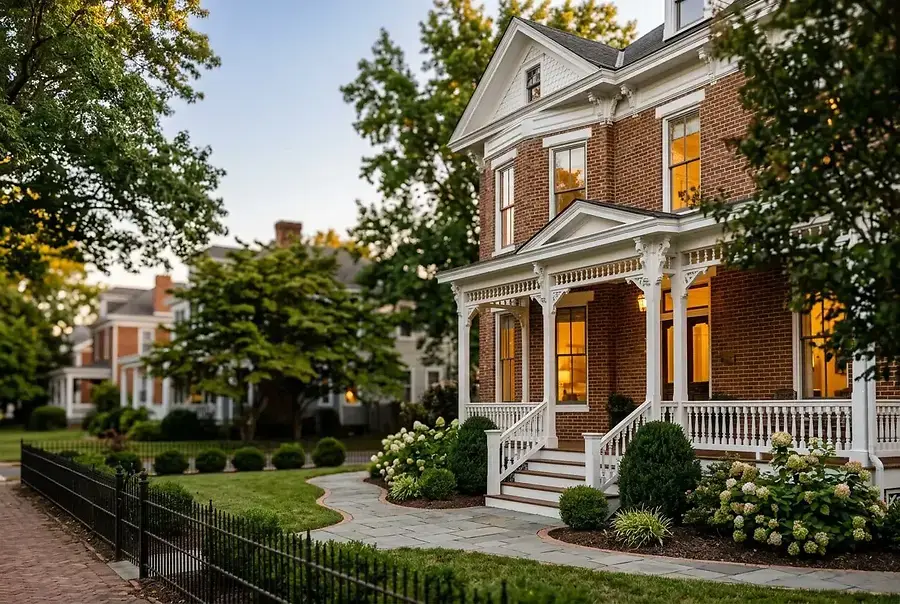
Hopewell, Virginia boasts a rich architectural heritage with homes spanning from the late 1800s through the early 1900s. These properties feature distinctive characteristics including ornate woodwork, original hardwood floors, period-specific window designs, and unique structural elements that tell the story of the city's industrial past. Before beginning any renovation project, it's essential to understand what makes your home historically significant.
Recognizing Historic Features
Many Hopewell homes showcase Victorian and Colonial Revival architecture with detailed crown molding, original brick chimneys, and hand-crafted architectural details. These elements aren't merely decorative—they represent the craftsmanship and design philosophy of their era. Identifying which features are original and historically important will guide your renovation decisions.
Navigating Local Building Codes and Regulations
Hopewell has specific guidelines for historic properties, particularly those within designated historic districts. Key considerations include:
- Obtaining approval from the Hopewell Historic District Commission for exterior modifications
- Understanding requirements for window replacement, roofing materials, and siding
- Complying with modern building codes while maintaining historic integrity
- Securing necessary permits before beginning work
Working with local authorities early in your planning process prevents costly delays and ensures your renovation meets all requirements. Many contractors familiar with historic properties can guide you through these regulations.
Planning Your Renovation: Budget, Timeline, and Contractor Selection
Establishing a Realistic Budget
Historic home renovations typically cost more than standard updates due to the specialized skills and materials required. Budget 15-25% more than you would for a modern home to account for unexpected issues like hidden structural damage or the need for custom-made period-appropriate materials. Prioritize essential updates—foundation repairs, electrical systems, and plumbing—before cosmetic improvements.
Consider these budget categories:
- Structural repairs and foundation work
- Electrical and plumbing system upgrades
- HVAC installation or modernization
- Exterior restoration (roof, windows, siding)
- Interior updates and finishing touches
Creating a Realistic Timeline
Historic renovations require patience. Expect projects to take 20-30% longer than modern renovations due to permit processes, material sourcing, and the careful work needed to preserve original features. Breaking your project into phases allows you to spread costs and live in your home during renovation. Start with critical systems, then move to aesthetic improvements.
Selecting the Right Contractor
Your contractor choice is crucial for a successful renovation. Look for professionals who:
- Have specific experience with historic homes in the Hopewell area
- Understand local historic preservation guidelines
- Can provide references from similar projects
- Demonstrate knowledge of period-appropriate materials and techniques
- Communicate clearly about timelines and potential complications
Interview multiple contractors and ask detailed questions about their approach to balancing preservation with modernization. The lowest bid isn't always the best choice for historic work.
Modern Updates That Enhance Historic Home Value and Functionality
Upgrading Systems While Preserving Character
Modern homes require updated electrical, plumbing, and HVAC systems. The key is installing these upgrades without compromising historic character. Consider running new wiring through walls rather than surface-mounting it, and choose heating solutions that don't require visible ductwork throughout your home.
Smart Kitchen and Bathroom Renovations
Kitchens and bathrooms are primary selling points. Update these spaces with modern fixtures and appliances while respecting the home's era. Retain original cabinetry where possible, or commission reproductions that match the period. Subway tile, vintage-style fixtures, and period-appropriate color palettes create spaces that feel both contemporary and historically appropriate.
Window and Door Replacements
Original windows are charming but often inefficient. Restoration is preferable to replacement when possible—professional restoration can improve functionality while maintaining authenticity. If replacement is necessary, choose historically accurate styles that match the originals in design, materials, and proportions.
Flooring Solutions
Original hardwood floors are valuable assets. Professional refinishing can restore their beauty without replacement. For areas where original flooring is damaged beyond repair, select materials that complement the home's era—wide-plank hardwoods, period-appropriate tile, or quality reproductions.
Exterior Improvements
The exterior is the first impression and often subject to historic district regulations. Prioritize:
- Roof repairs or replacement with period-appropriate materials
- Brick restoration and repointing rather than covering
- Porch restoration and structural repairs
- Paint colors that reflect the home's original palette
Adding Modern Amenities Thoughtfully
Contemporary additions like decks, sunrooms, or home offices should be designed to complement rather than compete with the original structure. Consider placement carefully—additions to the rear of the home are often less visually disruptive than front-facing changes. Work with architects experienced in historic properties to ensure new additions enhance rather than detract from your home's character.
Conclusion: Balancing Preservation with Contemporary Living
Renovating a historic home in Hopewell is a rewarding investment that preserves community heritage while creating a comfortable modern living space. Success requires understanding your home's architectural significance, respecting local regulations, planning carefully, and working with experienced professionals who value preservation.
The goal isn't to create a museum piece—it's to honor the past while enjoying the conveniences and comfort of contemporary living. When done thoughtfully, historic home renovation increases property value, maintains neighborhood character, and provides the satisfaction of stewarding an important piece of Hopewell's architectural legacy.
Start your renovation journey by documenting your home's original features, consulting with local historic preservation experts, and developing a comprehensive plan. With patience, respect for your home's history, and the right team, you'll create a space that celebrates Hopewell's past while serving your family's future.