Renovating Historic Homes in Montana's Mining Towns: A Complete Guide
Essential strategies for restoring character and value in Butte, Anaconda, Philipsburg, and surrounding communities.

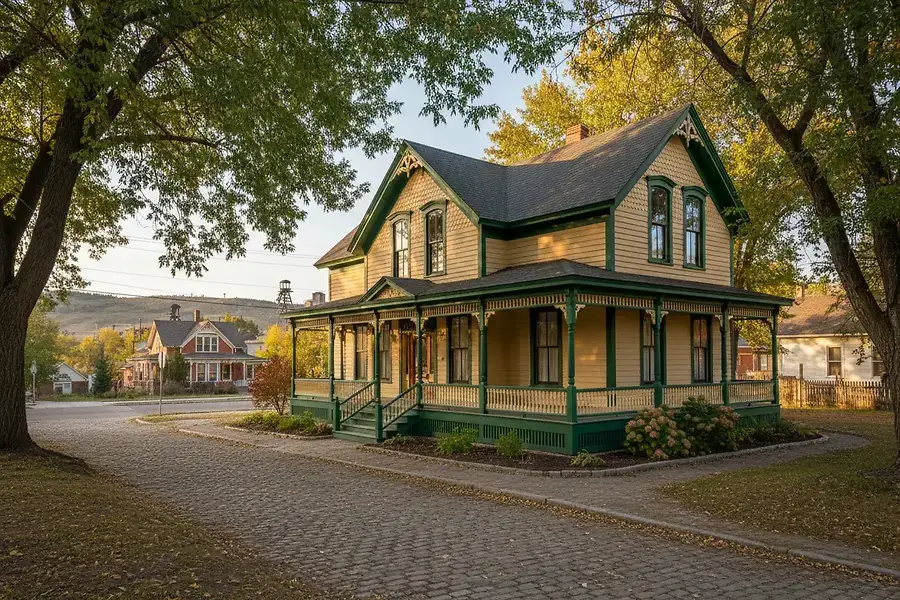
Introduction: The Appeal and Challenges of Historic Home Restoration in Montana's Mining Towns
Montana's mining towns tell stories of American ingenuity, resilience, and frontier spirit. Communities like Butte, Anaconda, and Philipsburg are home to remarkable Victorian and early 20th-century architecture that reflects the region's rich mining heritage. These historic homes possess undeniable charm, featuring original hardwood floors, ornate woodwork, and distinctive architectural details that simply cannot be replicated in modern construction.
However, restoring these treasured properties presents unique challenges. Many historic homes have suffered from decades of deferred maintenance, outdated electrical and plumbing systems, and structural issues caused by settling foundations and harsh Montana winters. Homeowners must balance the desire to modernize living spaces with the responsibility to preserve historical integrity. Understanding how to navigate these complexities is essential for anyone considering a renovation project in Montana's mining country.
Understanding Local Building Codes and Historic Preservation Requirements
Historic District Regulations
Many of Montana's mining towns have established historic districts with specific preservation guidelines. Before beginning any renovation work, determine whether your property falls within a designated historic district. Properties in these areas typically require approval from a local historic preservation commission before making exterior changes, including roof repairs, window replacements, or siding modifications.
Key steps to follow:
- Contact your local city or county planning department to verify historic district status
- Request copies of design guidelines specific to your property's architectural style
- Schedule a consultation with the historic preservation commission early in your planning process
- Document the current condition of your home with photographs before beginning work
Building Code Compliance
Historic homes must meet current building codes while maintaining their original character. This often requires creative solutions. For example, upgrading electrical systems may involve running wiring through existing walls rather than adding new conduit on the exterior. Working with contractors experienced in historic renovation is crucial, as they understand how to achieve code compliance without compromising architectural integrity.
Pro tip: Many jurisdictions offer variances for historic properties when strict code compliance would destroy significant historical features. Your preservation commission can guide you through this process.
Cost-Effective Renovation Strategies That Preserve Architectural Character
Prioritize Essential Systems First
Begin with foundation, roof, and structural repairs. These foundational improvements protect your investment and prevent costly damage from water infiltration and settling. A thorough inspection by a structural engineer familiar with historic homes will identify critical issues requiring immediate attention.
Restore Rather Than Replace
Whenever possible, restore original features instead of replacing them. Original hardwood floors can be refinished, damaged plaster can be repaired, and period-appropriate hardware can be restored. This approach typically costs less than replacement while maintaining authentic character. Local salvage yards and architectural reclamation companies often stock period-appropriate materials at reasonable prices.
Phase Your Project Strategically
Rather than attempting a complete renovation at once, consider phasing your project over several years. This approach allows you to:
- Spread costs across multiple budgets
- Learn from each phase before proceeding to the next
- Adjust plans based on discoveries during renovation
- Maintain livability while work progresses
Leverage Historic Tax Credits
The Federal Historic Preservation Tax Credit provides significant financial incentives for qualified rehabilitation projects. Properties listed on the National Register of Historic Places may qualify for a 20% tax credit on qualified rehabilitation expenses. Montana also offers state-level tax credits for historic property restoration. Work with a tax professional experienced in historic preservation to maximize these benefits.
Smart Interior Modernization
Update mechanical systems, plumbing, and electrical infrastructure while keeping visible changes minimal. Modern HVAC systems can be installed in basements or attics, preserving the appearance of original rooms. Kitchen and bathroom updates can incorporate contemporary functionality while respecting the home's historic aesthetic through period-appropriate fixtures and finishes.
Window and Door Restoration
Original windows and doors are defining features of historic homes. Rather than replacing them with modern alternatives, invest in restoration. Repair broken sashes, reglaze panes, and restore hardware. If replacement is necessary, choose historically accurate reproductions that match the original specifications in style, material, and proportions.
Conclusion: Maximizing Your Investment Through Thoughtful Historic Home Restoration
Renovating a historic home in Montana's mining towns is more than a construction project—it's an investment in community heritage and personal legacy. Properties that maintain their architectural character while gaining modern functionality command stronger market values and provide immeasurable personal satisfaction.
Remember these key principles:
- Research local regulations and preservation requirements before beginning work
- Hire contractors with proven experience in historic restoration
- Prioritize structural integrity and essential systems
- Restore original features whenever feasible
- Explore tax credits and financial incentives
- Plan for the long term rather than rushing to completion
Montana's mining towns represent irreplaceable chapters of American history. By approaching renovation with respect for these communities' heritage and commitment to thoughtful restoration practices, you'll create a home that honors the past while serving the needs of the present. Your careful stewardship of these historic properties ensures that future generations can continue to appreciate and enjoy the architectural treasures that define Montana's mining country.


