Residential and Commercial Investment Opportunities Across South Puget Sound
Discover how to leverage diverse property types in Pierce County's most sought-after communities to build long-term wealth.

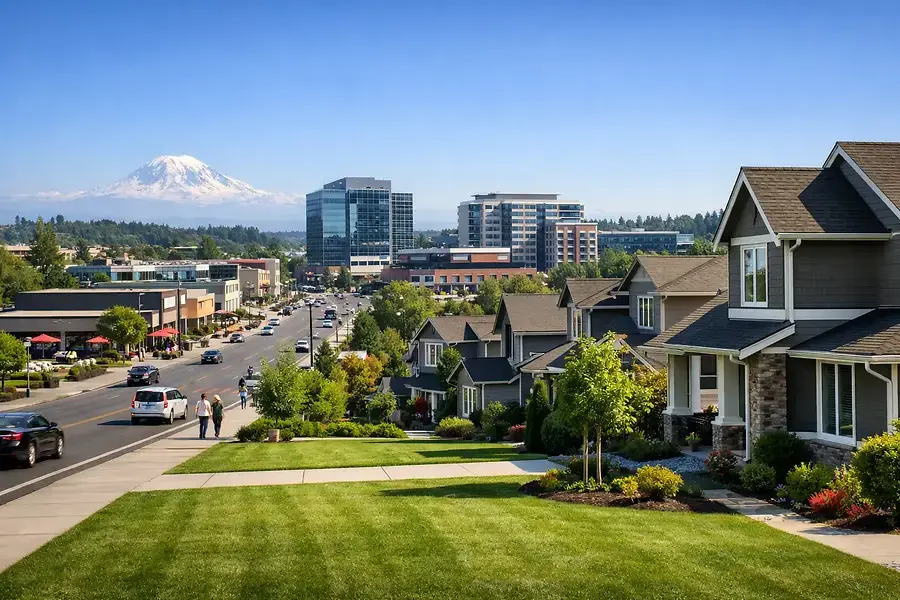
Introduction: The Dual Investment Advantage in Pierce County Markets
Pierce County represents one of the Pacific Northwest's most dynamic investment landscapes, offering investors a unique opportunity to diversify their portfolios across both residential and commercial properties. The South Puget Sound region has experienced sustained growth driven by population migration, economic development, and strategic infrastructure improvements. Whether you're a seasoned investor or exploring real estate opportunities for the first time, understanding how to navigate both market segments is essential for building long-term wealth.
The dual investment approach—combining residential and commercial properties—provides several advantages. Residential investments offer stable cash flow and emotional appeal, while commercial properties often deliver higher returns and longer lease terms. By strategically allocating capital across both sectors, investors can create a resilient portfolio that weathers market fluctuations and capitalizes on diverse growth opportunities throughout Pierce County.
Residential Properties: Understanding Neighborhood Dynamics and Growth Potential
Identifying High-Growth Neighborhoods
Pierce County's residential market is characterized by distinct neighborhoods, each with unique investment profiles. Communities like Tacoma, Puyallup, and Lakewood have emerged as primary growth corridors, attracting families and young professionals seeking affordable alternatives to Seattle while maintaining proximity to major employment centers.
- Tacoma: The county seat offers diverse neighborhoods with revitalized downtown areas and waterfront properties commanding premium prices
- Puyallup: Known for family-friendly amenities and excellent schools, this community attracts long-term residents and stable tenants
- Lakewood: Strategic location near Joint Base Lewis-McChord provides consistent demand and military-connected tenant stability
- Gig Harbor: Premium waterfront community appealing to affluent buyers and vacation rental investors
Evaluating Rental Demand and Tenant Quality
Successful residential investments depend on understanding local rental demand. Pierce County's employment centers—including healthcare facilities, manufacturing operations, and government agencies—create consistent demand for rental housing. Key factors to evaluate include:
- Employment growth rates and major employers in surrounding areas
- Population demographics and migration patterns
- School district ratings and family-oriented amenities
- Average rental rates and vacancy rates in target neighborhoods
- Property appreciation trends over the past five years
Neighborhoods with strong employment bases, quality schools, and active community development typically offer the most reliable rental income and appreciation potential. Properties near transit corridors and shopping centers also command premium rents and attract quality tenants.
Single-Family vs. Multi-Unit Residential Investments
Investors must decide between single-family homes and multi-unit properties. Single-family rentals offer simplicity and appeal to owner-occupant buyers, while multi-unit properties provide economies of scale and higher cash flow potential. Pierce County's suburban character makes single-family homes particularly attractive, though emerging urban centers support growing multi-unit development.
Commercial Real Estate: Identifying Emerging Business Districts and Tenant Demand
Understanding Commercial Market Segments
Pierce County's commercial real estate market encompasses several distinct segments, each with different risk profiles and return potential:
- Retail Properties: Shopping centers and street-level retail spaces benefit from consistent foot traffic and established consumer patterns
- Office Space: Professional office buildings serve growing healthcare, legal, and technology sectors
- Industrial Properties: Warehousing and light manufacturing facilities capitalize on the region's logistics and distribution advantages
- Mixed-Use Developments: Properties combining residential, retail, and office space offer diversified income streams
Emerging Business Districts and Growth Corridors
Smart commercial investors focus on emerging business districts where tenant demand is accelerating. Downtown Tacoma's revitalization has created significant opportunities in office and mixed-use properties. The Port of Tacoma corridor supports industrial and logistics investments, while suburban commercial centers near major intersections provide stable retail opportunities.
Key indicators of emerging commercial districts include:
- New business relocations and expansions
- Infrastructure improvements and public investment
- Demographic growth in surrounding residential areas
- Zoning changes supporting commercial development
- Anchor tenant commitments and major employer presence
Evaluating Tenant Quality and Lease Stability
Commercial property success depends heavily on tenant quality and lease terms. Long-term leases with creditworthy tenants provide predictable income and reduce vacancy risk. National retailers, established service providers, and growing local businesses offer varying levels of stability.
The strongest commercial investments feature tenants with proven track records, multi-year leases with regular rent escalations, and minimal turnover history.
Investors should analyze tenant financial health, lease terms, and industry trends. Properties with diverse tenant bases reduce concentration risk, while those with single major tenants require careful evaluation of that tenant's financial stability and industry outlook.
Cap Rates and Return Expectations
Commercial properties typically offer higher cap rates than residential investments, reflecting increased complexity and management requirements. Pierce County commercial properties currently offer competitive returns while maintaining reasonable acquisition costs compared to West Coast markets. Understanding how to calculate and compare cap rates is essential for identifying undervalued opportunities and assessing risk-adjusted returns.
Conclusion: Creating a Balanced Portfolio Across Pierce County's Communities
Building wealth through Pierce County real estate requires a strategic approach that leverages opportunities across both residential and commercial sectors. A balanced portfolio might include:
- Two to three residential properties in high-growth neighborhoods providing stable cash flow
- One to two commercial properties in emerging business districts offering higher returns
- Diversification across multiple communities to reduce geographic concentration risk
- A mix of lease terms and tenant types to optimize income stability
Success in Pierce County's real estate market requires diligent research, careful financial analysis, and a long-term investment perspective. By understanding neighborhood dynamics, evaluating tenant demand, and identifying emerging opportunities, investors can build resilient portfolios that generate consistent returns while capitalizing on the region's continued growth.
The South Puget Sound region offers compelling opportunities for investors willing to conduct thorough due diligence and think strategically about portfolio construction. Whether focusing on residential stability or commercial returns, Pierce County's diverse markets provide the foundation for building substantial long-term wealth.