Residential-Commercial Hybrid Properties: A Growth Strategy for Atlanta's Suburbs
Discover how mixed-use developments in Jonesboro, Griffin, and Union City are creating lucrative investment opportunities for forward-thinking real estate professionals.

The Rise of Hybrid Property Investments in Metro Atlanta
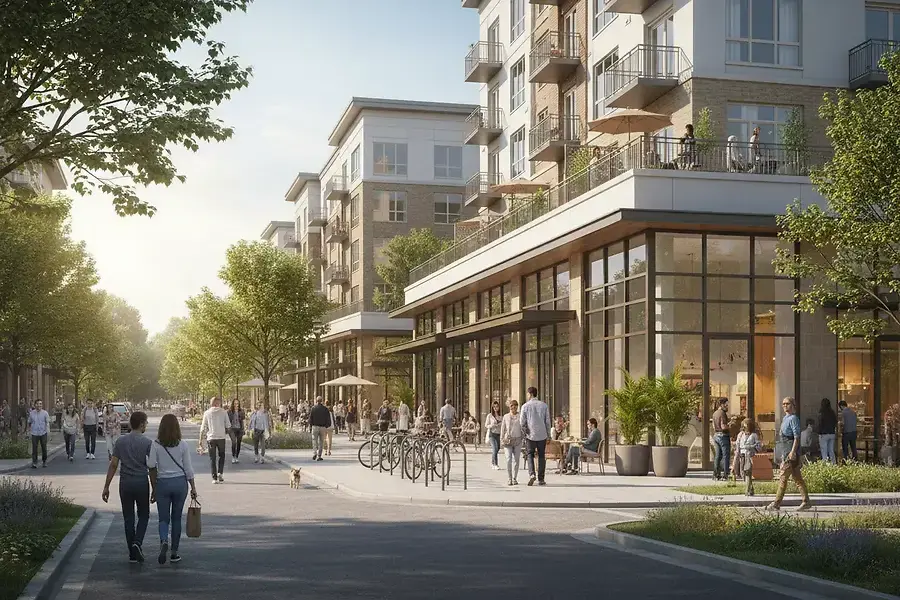
The Atlanta metropolitan area is experiencing a significant shift in real estate development patterns. Suburban communities are no longer content with traditional single-use zoning. Instead, forward-thinking developers and investors are embracing residential-commercial hybrid properties—mixed-use developments that combine living spaces with retail, office, and service-oriented businesses under one roof or within integrated complexes.
This evolution represents more than just a trend; it's a fundamental response to changing consumer preferences and demographic shifts. Millennials and Gen Z buyers increasingly seek walkable communities where they can live, work, and shop without relying heavily on automobiles. Meanwhile, established families appreciate the convenience and vibrancy that mixed-use developments bring to their neighborhoods.
For real estate professionals, this transformation presents an unprecedented opportunity to position themselves as experts in a rapidly growing market segment. The suburbs of Atlanta—particularly in Henry County and Clayton County—are becoming hotbeds for these innovative developments.
Understanding Residential-Commercial Hybrid Properties and Market Demand
What Are Hybrid Properties?
Residential-commercial hybrid properties are developments that seamlessly integrate multiple uses into a single project or adjacent properties. Common configurations include:
- Ground-floor retail with residential apartments above—A classic mixed-use model that maximizes land efficiency
- Live-work spaces—Units designed for entrepreneurs and remote workers who want home and office in one location
- Integrated complexes—Larger developments featuring residential towers, office parks, and shopping centers within walking distance
- Adaptive reuse projects—Historic buildings converted into modern mixed-use spaces
Why the Demand is Surging
Several factors are driving unprecedented demand for hybrid properties in Atlanta's suburbs:
Urban Convenience, Suburban Affordability: Suburban hybrid developments offer the walkability and amenities of urban living at prices significantly lower than downtown Atlanta. This sweet spot appeals to a broad demographic range.
Post-Pandemic Work Patterns: The rise of remote work and flexible schedules has made live-work arrangements increasingly attractive. Professionals no longer need to commute to downtown offices, making suburban locations more viable.
Demographic Preferences: Younger generations prioritize experiences and convenience over traditional single-family homes. They want vibrant neighborhoods where they can access dining, entertainment, and services without driving.
Developer Economics: Mixed-use properties generate multiple revenue streams, making them more financially resilient than single-use developments. This attracts institutional investors and major developers to suburban markets.
Key Markets and Growth Indicators Across Henry County and Clayton County Suburbs
Jonesboro: The Emerging Mixed-Use Hub
Jonesboro has positioned itself as a leader in suburban mixed-use development. The city's strategic location—just south of Atlanta—combined with supportive zoning policies, has attracted significant investment.
Market Indicators:
- Population growth outpacing the state average
- Increasing commercial real estate activity along major corridors
- Multiple active mixed-use projects in various stages of development
- Rising property values in newly developed areas
Real estate professionals focusing on Jonesboro are finding strong demand from both investors seeking rental income and owner-occupants wanting hybrid spaces.
Griffin: Historic Charm Meets Modern Development
Griffin's downtown revitalization efforts have created unique opportunities for hybrid property investments. The city is leveraging its historic character while embracing modern mixed-use concepts.
Key Opportunities:
- Adaptive reuse of historic buildings into modern mixed-use spaces
- Downtown revitalization initiatives attracting new businesses and residents
- Lower entry costs compared to Jonesboro, appealing to emerging investors
- Strong community support for development projects that enhance walkability
Griffin represents an excellent market for professionals seeking less saturated opportunities with significant growth potential.
Union City: The Commuter's Choice
Union City's proximity to Atlanta's major employment centers makes it an attractive location for hybrid properties targeting commuters seeking suburban living with urban convenience.
Growth Drivers:
- Strategic location near major transportation corridors
- Competitive pricing attracting first-time investors
- Increasing demand from remote workers seeking community-oriented living
- Municipal support for mixed-use zoning and development
Market Performance Metrics
Across Henry County and Clayton County, hybrid properties are demonstrating strong performance indicators:
Rental Rates: Mixed-use residential units command premium rents compared to traditional apartments, often 10-15% higher due to location convenience and amenities.
Occupancy Rates: Hybrid properties maintain higher occupancy rates than single-use developments, reflecting strong market demand.
Appreciation Potential: Properties in established mixed-use developments show consistent appreciation, with many markets experiencing 5-8% annual growth.
Commercial Tenant Retention: Ground-floor retail and office spaces in hybrid developments benefit from residential foot traffic, resulting in lower vacancy rates and higher tenant retention.
Positioning Yourself as an Expert in Atlanta's Evolving Real Estate Landscape
For real estate professionals, mastering the hybrid property market offers significant competitive advantages:
Develop Specialized Knowledge: Understand the unique financing, zoning, and operational aspects of mixed-use properties. This expertise commands premium commissions and positions you as a trusted advisor.
Build Developer Relationships: Connect with developers active in Jonesboro, Griffin, and Union City. These relationships provide early access to projects and exclusive opportunities.
Educate Your Clients: Many investors and owner-occupants don't yet understand hybrid property benefits. Your education becomes a valuable service that builds loyalty and referrals.
Diversify Your Portfolio: If you're an investor yourself, hybrid properties offer diversification benefits through multiple revenue streams and demographic appeal.
Stay Ahead of Trends: Monitor zoning changes, demographic shifts, and development announcements in these markets. Early awareness of opportunities gives you competitive advantage.
The residential-commercial hybrid property market in Atlanta's suburbs is no longer an emerging opportunity—it's a present reality with significant growth potential. Real estate professionals who develop expertise in this space will find themselves well-positioned to capture market share and build thriving practices in one of the nation's most dynamic real estate markets.


